
Maine / 200101
Amy St. Laurent and the Confession Preserved on Tape
A traffic stop, a missing woman and a disputed confession became parts of an unusual Maine murder prosecution.
7 MIN READ · HOMICIDERead case ↗
Featured case · Unusual Crime
Follow the thieves through three rooms, identify all 13 works, and trace what the FBI and museum have disclosed about the search.
 Massachusetts · Geographic context
Long reads on investigations with unanswered questions.
Search names, places, years or subjects.
A traffic stop, a missing woman and a disputed confession became parts of an unusual Maine murder prosecution.
The people who called Melissa Jenkins knew that she might come to help. What she told a friend gave police an early lead.
An affair drew investigators toward one man. Years later, another man's confession forced them to reconsider.
A flight attendant's disappearance became a murder case through a sequence of purchases, rentals and conflicting explanations.
The discovery of a mother and infant led to a conviction and a long dispute about hair evidence, laboratory testing and access to review.
The evidence of planning and the controversy over punishment are distinct parts of the Lewis double-murder case.
The prosecution of Janet March's husband grew to include a second plot aimed at the parents who kept pursuing answers.
Prosecutors offered jealousy as a motive, but the case against Carla Hughes depended on physical evidence and a carefully limited phone timeline.
The meaning of a handwritten document became a focal point in the prosecution of a New Orleans broadcaster.
A false delivery brought the attackers to the door. The prosecution traced preparations and communications behind it.
The end of a fugitive search did not erase the different legal outcomes in the deaths of James Kinne and Patricia Jones.
Students returned to the murder of a fellow Hope College student. Investigators then began dismantling decades of silence.
DNA, changing accounts and a later conspiracy case established different roles in Angila Wilder's death.
A supposed fishing map became an investigative lead in the prosecution of Brad Reay.
The 2024 announcement answered investigators' identity question, but no jury heard the case.
Evidence preserved after a roadside disappearance connected to a suspect years later, then led to the missing vehicle.
Investigators tested Harold Henthorn's account of a spontaneous hike against evidence that he knew the location well.
A scientist was found dead in her bathtub. A disputed medical finding, a family’s persistence and a changing account brought the case to a murder trial.
A coworker’s account prompted a crucial laboratory test after Kathy Augustine collapsed. At trial, the meaning and reliability of that test became a central fight.
An estranged husband admitted arranging a murder, then offered testimony that his girlfriend’s defense used to challenge the blood evidence against her.
Evidence preserved after an Alaska student’s death produced a name years later. The trial still had to resolve what the DNA connection meant.
Brett Seacat said his wife had killed herself. Prosecutors argued that a final journal entry was forged and the fire concealed a murder.
Thomas Capano denied knowing what happened to Anne Marie Fahey. At trial, he admitted concealing her death but blamed an accidental shooting by someone else.
The robbers planned for the building, the money and the escape. They could not guarantee that the people sharing the secret would remain loyal for years.
The ruby slippers vanished from Judy Garland's hometown. Their recovery required an extortion lead, an undercover operation and a close examination by conservators.
The stolen violin was found wrapped in a baby blanket in a suitcase. Its recovery also became central to the robber's plea agreement and sentencing.
An employee covering an absence requested the city's bank statements. One account did not belong in the picture the mayor had been given.
The nickname made the pursuit famous. The plea agreement recorded damaged homes, stolen aircraft and more than $1.4 million in admitted losses.
Investors bought certificates from an established finance business. Its assets shifted toward loans benefiting the men who controlled it.
The title, guards and supposed royal protocol all served the same sales pitch: access to investments the impostor did not have.
Sara preserved her husband’s financial records before she was killed. The investigation connected those papers to an alibi, an intermediary, and a murder-for-hire plan.
A letter anticipated a family visit. His wife said he had gone to Norway. Blood traces, bank records, and reported admissions built a murder case without a recovered body.
The signatures were fake. So were the assurances that sold them. An undercover trading company exposed a nationwide market built on counterfeit connections to famous people.
A familiar visitor interrupted two calls between Carol and her daughter. Years later, those conversations helped test a confessed killer’s account of a murder-for-hire plot.
A planned move crossed state lines. So did the investigation: a rental reservation, a child’s account, and a newly covered basement floor connected Mansfield to Erie.
The employee who drove away with millions escaped with only a fraction. A murder plot, conspicuous transactions, and a witness’s reward claim complicated the aftermath.
Large shoeprints suggested masked intruders. The shoes belonged to the store. How a staged robbery gave way to a trial about time, intent, and the murder of Jayna Murray.
A borrowed SUV, a new tarp, and a cooperating witness helped build a murder case without recovered remains. The conviction left a difficult question about location unresolved.
Millions of acres, a manufactured inheritance, and a history hidden inside altered books. How investigators dismantled James Reavis’s Peralta claim, one page at a time.
A supposed suicide note blamed Ashley Wallace for two deaths. She survived—and the family computer put the note on a different timeline.
A woman with a badge and handcuffs led Sherri Dally away from a parking lot. Purchases, witnesses and a rental car exposed the false authority.
A comic-store murder went uncharged for seventeen years. A disputed telephone call challenged an alibi—then missing police tips forced a second trial.
A reconciliation preceded a fatal illness. Chemical orders connected the husband to poison, while a handwriting expert challenged documents used against Nancy.
A child’s scheduled drop-off became a murder. After the arrests, a second plot sought to silence Moore’s mother—but its supposed hit man was undercover.
A gun fired from an SUV’s back seat. A murder trial followed—but the verdict did not end the case. A missing jury instruction changed its course.
An online offer promised pieces of the Moon. The buyers were undercover agents—and the numbers on the samples matched a NASA scientist’s missing safe.
Thousands of rare books were found in an Iowa house. Catching the collector was only part of the job: librarians had to identify where the stripped books belonged.
A sailing trip seemed to place Edward Sherman far away. The cold bedroom, food evidence and an expert’s revised estimate changed the timeline.
Her husband left for a fishing trip. Early-morning messages, shotgun evidence and a false voicemail revealed the plan behind Barbara Weaver’s death.
A ladder suggested a fall. Shoeprints, a missing golf club and an anonymous email dictated from jail exposed very different parts of the murder case.
Her belongings stayed behind. A turned mattress, blood evidence and a shopping receipt supported a murder verdict without a recovered body at trial.
A private investigator followed an affair to a hotel. The fatal parking-lot encounter produced witnesses, a recording and two disputed reconstruction videos.
A pink notebook accused an ex-husband of arranging an attack. Its withheld contents, known to the shooter, helped turn a self-defense claim into murder.
A celebrated dealer offered rare vintages that could not exist. Producer records and a California counterfeit lab exposed the bottles’ invented histories.
A land purchase took an odd turn when a pond became something to fill in. Rangers had already found a revolver—and were watching the water.
A final text, cameras along an ordinary street and a car left at the mall narrowed a disappearance. The jury’s two verdicts told different legal stories.
An unsolved killing left a dress in storage for decades. A male DNA profile, a family-tree lead and a restaurant straw finally produced a name.
On the day they bought a house, Bill McGuire stopped answering calls. Suitcases in Virginia led investigators back to purchases, tolls and disputed plastic-bag comparisons.
A headphone company’s finance executive turned corporate cash into personal spending. The harder trick was making the missing money disappear inside the books.
The lawyer came with a real firm and fake debt. False financial documents, borrowed identities and a trust account sold investors a transaction that did not exist.
A missing hunter’s equipment pointed to an accident. A participant’s testimony and a recovery changed what investigators could prove.
DNA on a carry-out bag helped convict a workplace cleaner. A discarded fragment and withheld video put the evidence under a different kind of scrutiny.
A wallet at a service plaza looked ordinary until a gunman took it on the turnpike. Phone and toll records helped prosecutors test the robbery story.
A fatal poisoning left a sealed affidavit and a privilege dispute. Two court rulings opened one paragraph to investigators before a guilty plea.
Air Force investigators followed a car to a ranch. It took the owner’s consent and a family tip to find the missing airman in a pond.
A ceremony photo, a missing medication notebook and a revised death finding gave jurors different ways to test the account of Michele’s death.
Timber sold under a private-harvest claim matched stumps in a national forest. The same trial reached a different result on the wildfire counts.
A million-dollar bid put a fossil in the spotlight. Customs records, paleontology and a claim from Mongolia put it on a different route.
An apparent burglary went unsolved for decades. A preserved swab and a discarded drink cup led detectives to someone inside their own department.
A Fitbit helped investigators test one suspect’s account. A sock and records from a different phone pointed detectives toward George Burch.
Two alarms raised questions during Linda’s hospital stays. Fatal nicotine poisoning, an insurance record and a taped interview later reached a jury.
Casino footage showed Christie walk out with Mario Garcia. The physical evidence led to a conviction long before a later search found her remains.
A student missed her spring-break plans. The jury heard forensic evidence, then heard Shepherd admit the killing after the verdict.
Follow the thieves through three rooms, identify all 13 works, and trace what the FBI and museum have disclosed about the search.
A contractor’s security director diverted winning pieces. A federal appeals court later asked what four people further down the chain actually knew.
Try a different name, state or subject.
November 9, 2026
Ten long reads with source notes, evidence galleries and chronological maps.
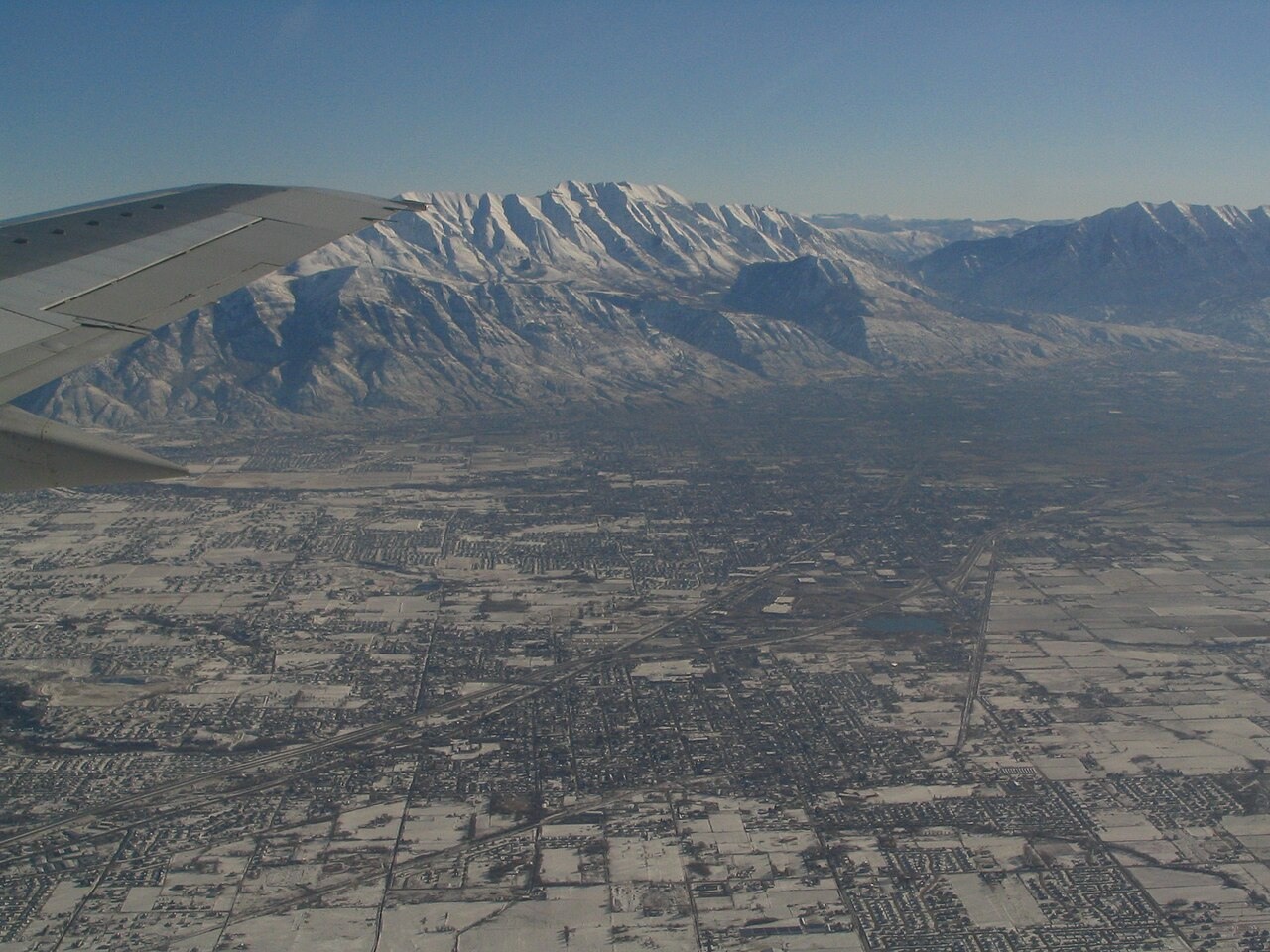
Geographic context · Ken Lund from Reno, Nevada, USA · CC BY-SA 2.0 · Display crop
Utah · 7 min read
A ceremony photo, a missing medication notebook and a revised death finding gave jurors different ways to test the account of Michele’s death.
Open the case ↗
Geographic context · US Forest Service · Public domain · Display crop
Washington · 8 min read
Timber sold under a private-harvest claim matched stumps in a national forest. The same trial reached a different result on the wildfire counts.
Open the case ↗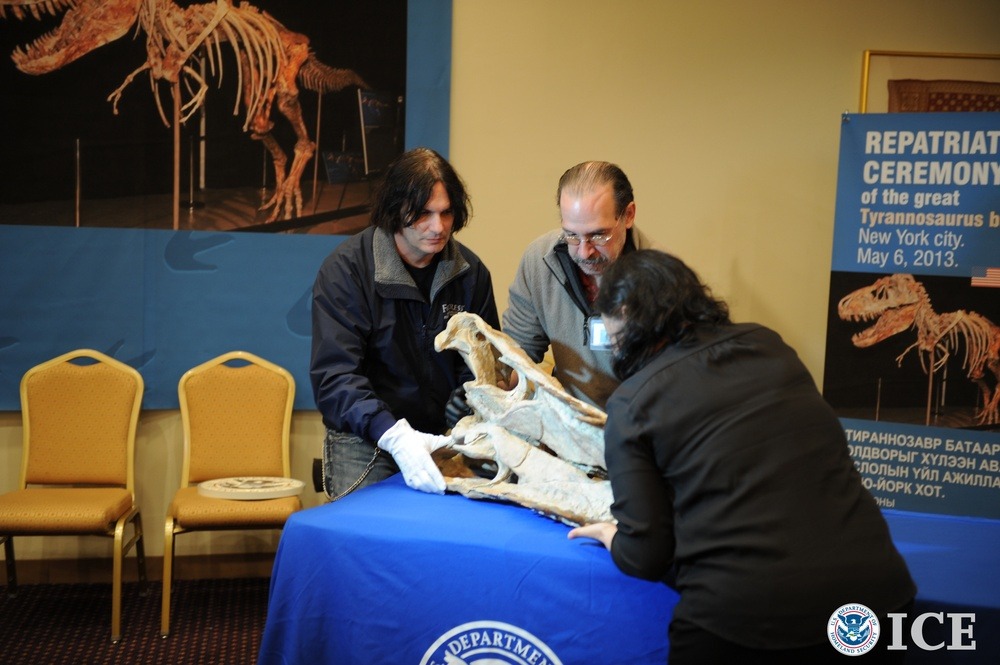
Archival context · Michael Johnson / U.S. Immigration and Customs Enforcement · Public domain · Display crop
New York · 8 min read
A million-dollar bid put a fossil in the spotlight. Customs records, paleontology and a claim from Mongolia put it on a different route.
Open the case ↗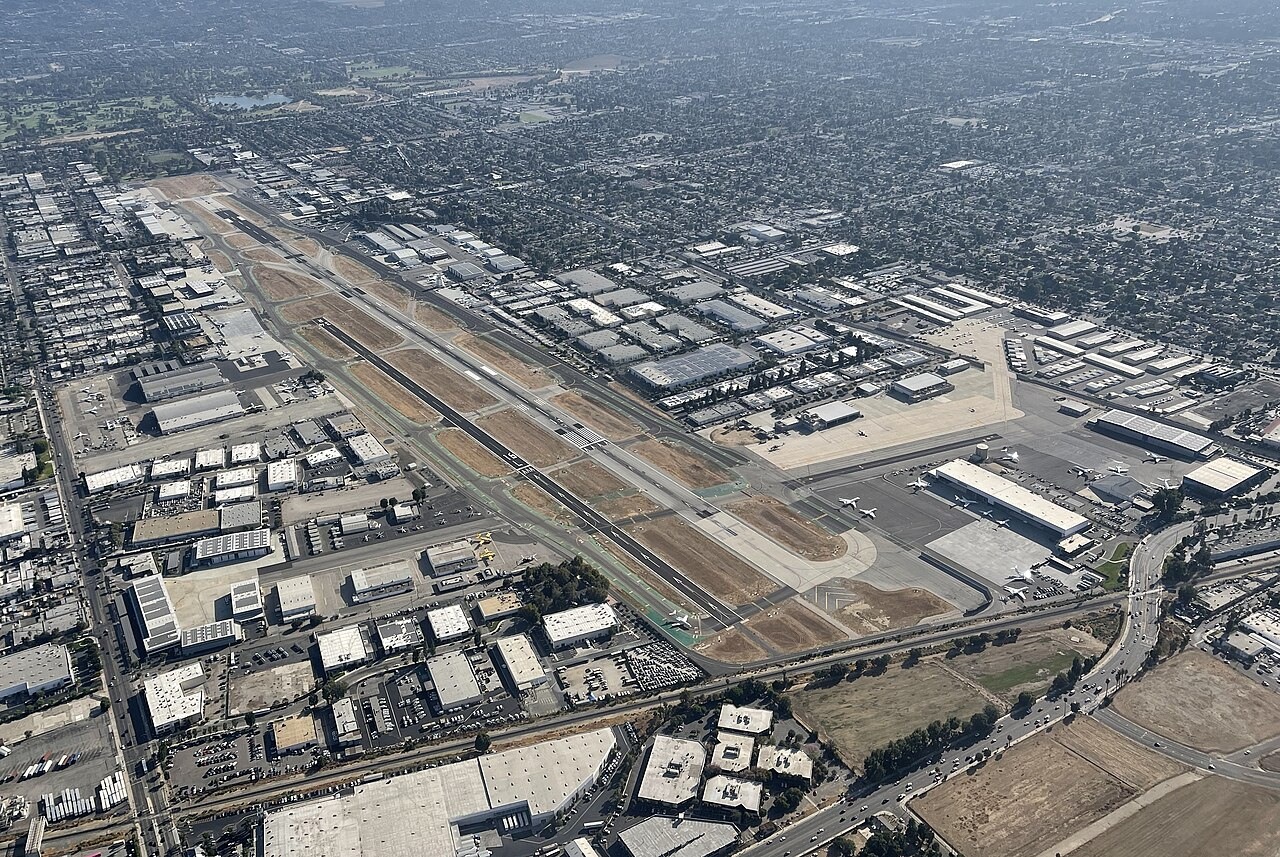
Geographic context · Platinummedia · CC BY-SA 4.0 · Display crop
California · 7 min read
An apparent burglary went unsolved for decades. A preserved swab and a discarded drink cup led detectives to someone inside their own department.
Open the case ↗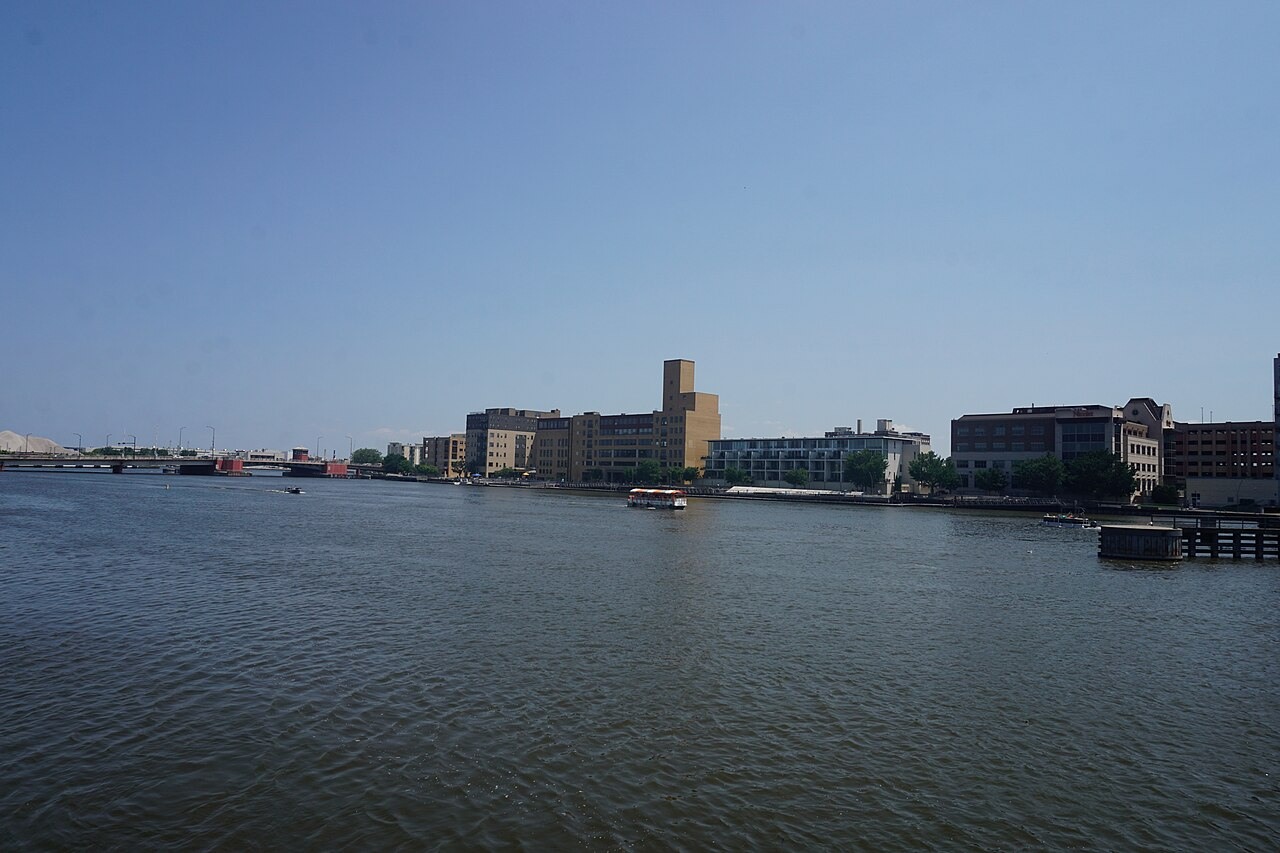
Geographic context · Michael Barera · CC BY-SA 4.0 · Display crop
Wisconsin · 7 min read
A Fitbit helped investigators test one suspect’s account. A sock and records from a different phone pointed detectives toward George Burch.
Open the case ↗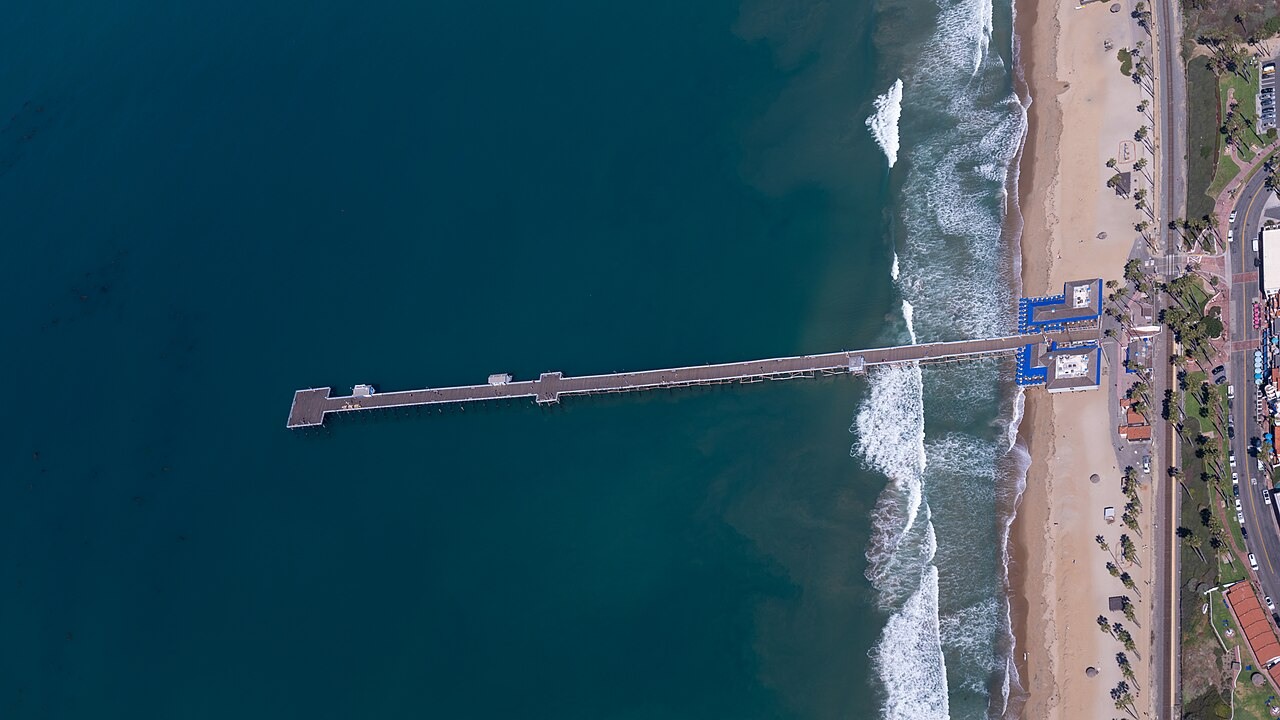
Geographic context · Don Ramey Logan · CC BY-SA 4.0 · Display crop
California · 7 min read
Two alarms raised questions during Linda’s hospital stays. Fatal nicotine poisoning, an insurance record and a taped interview later reached a jury.
Open the case ↗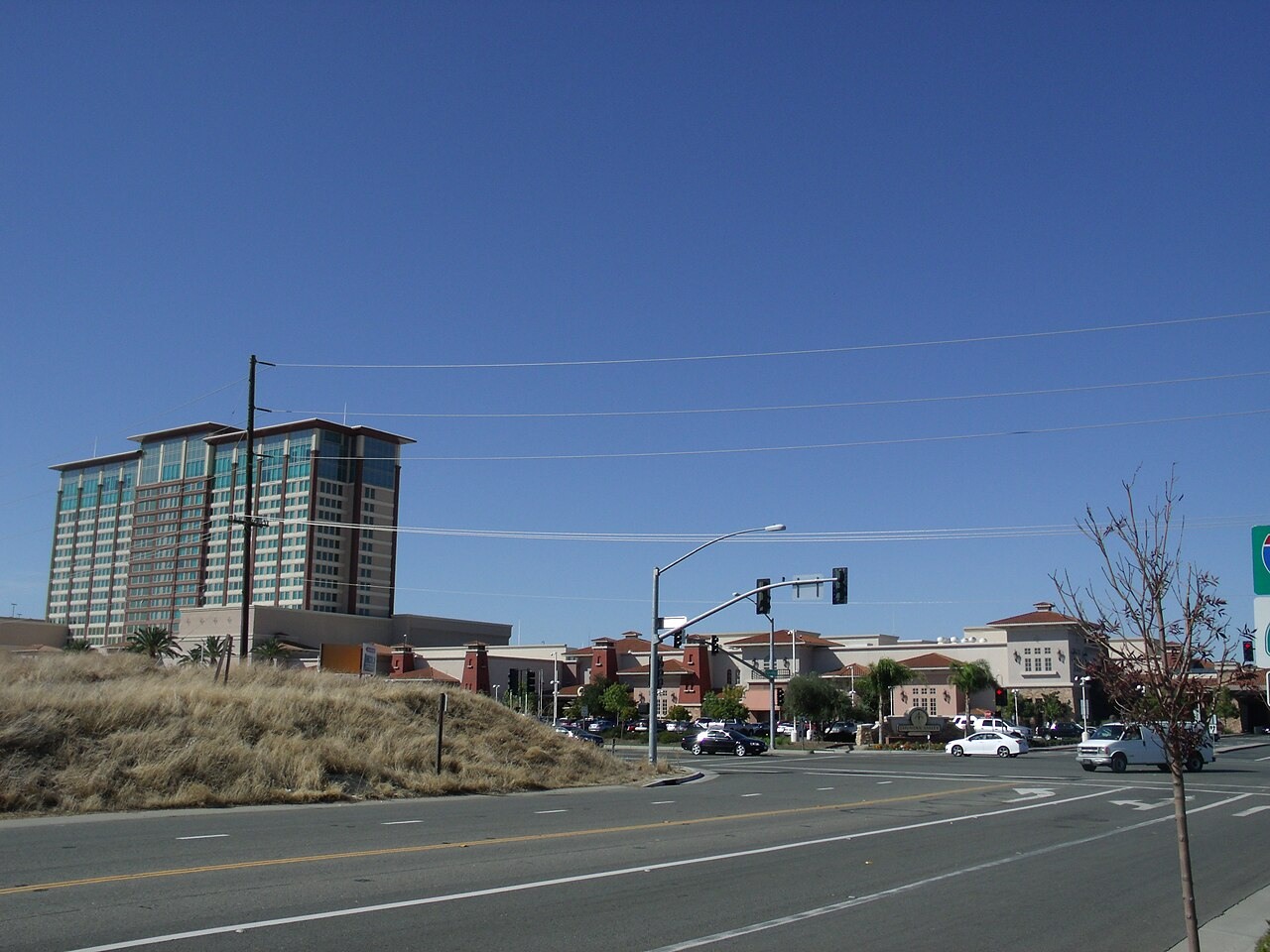
Geographic context · Noah_Loverbear · CC BY-SA 3.0 · Display crop
California · 8 min read
Casino footage showed Christie walk out with Mario Garcia. The physical evidence led to a conviction long before a later search found her remains.
Open the case ↗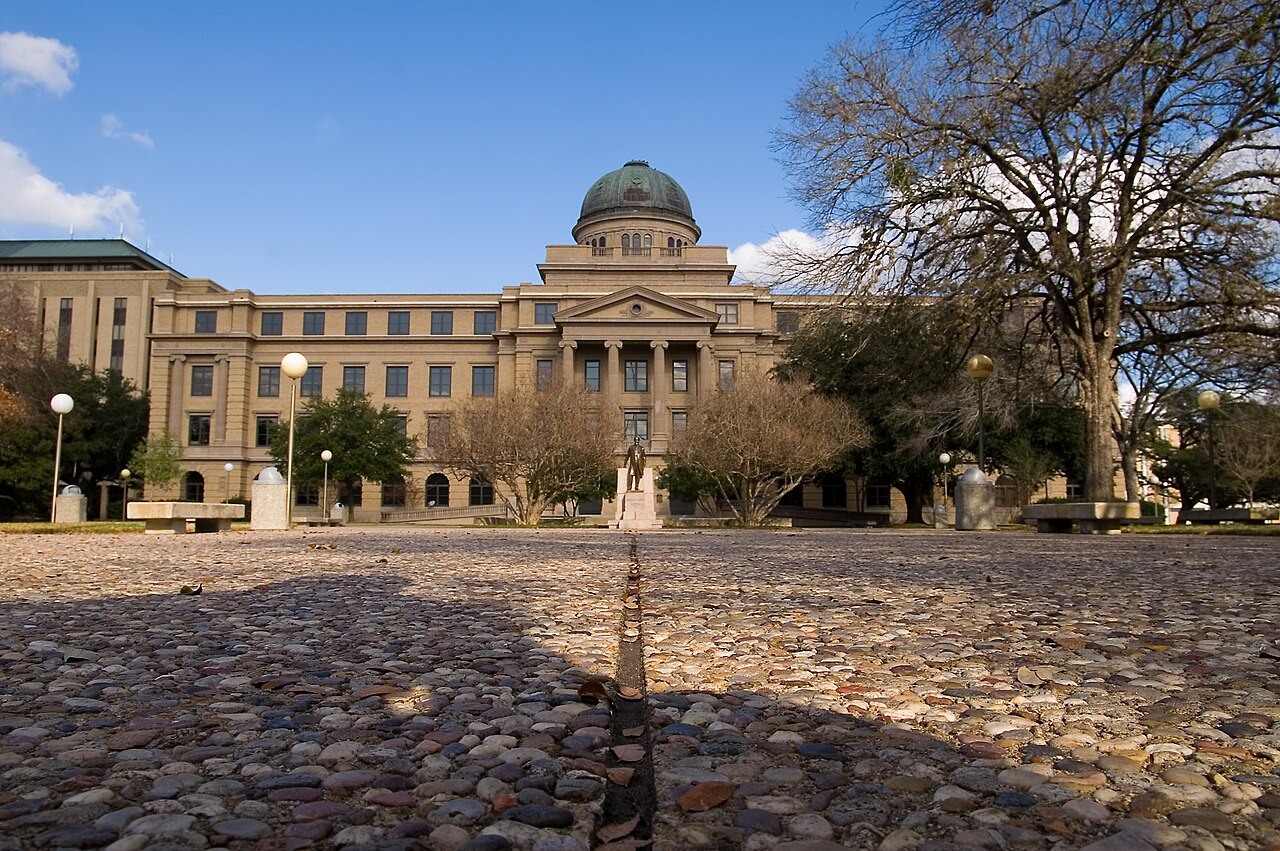
Geographic context · Stu Seeger · CC BY 2.0 · Display crop
Texas · 7 min read
A student missed her spring-break plans. The jury heard forensic evidence, then heard Shepherd admit the killing after the verdict.
Open the case ↗Geographic context · P. Hughes · CC BY 4.0 · Display crop
Massachusetts · 12 min read
Follow the thieves through three rooms, identify all 13 works, and trace what the FBI and museum have disclosed about the search.
Open the case ↗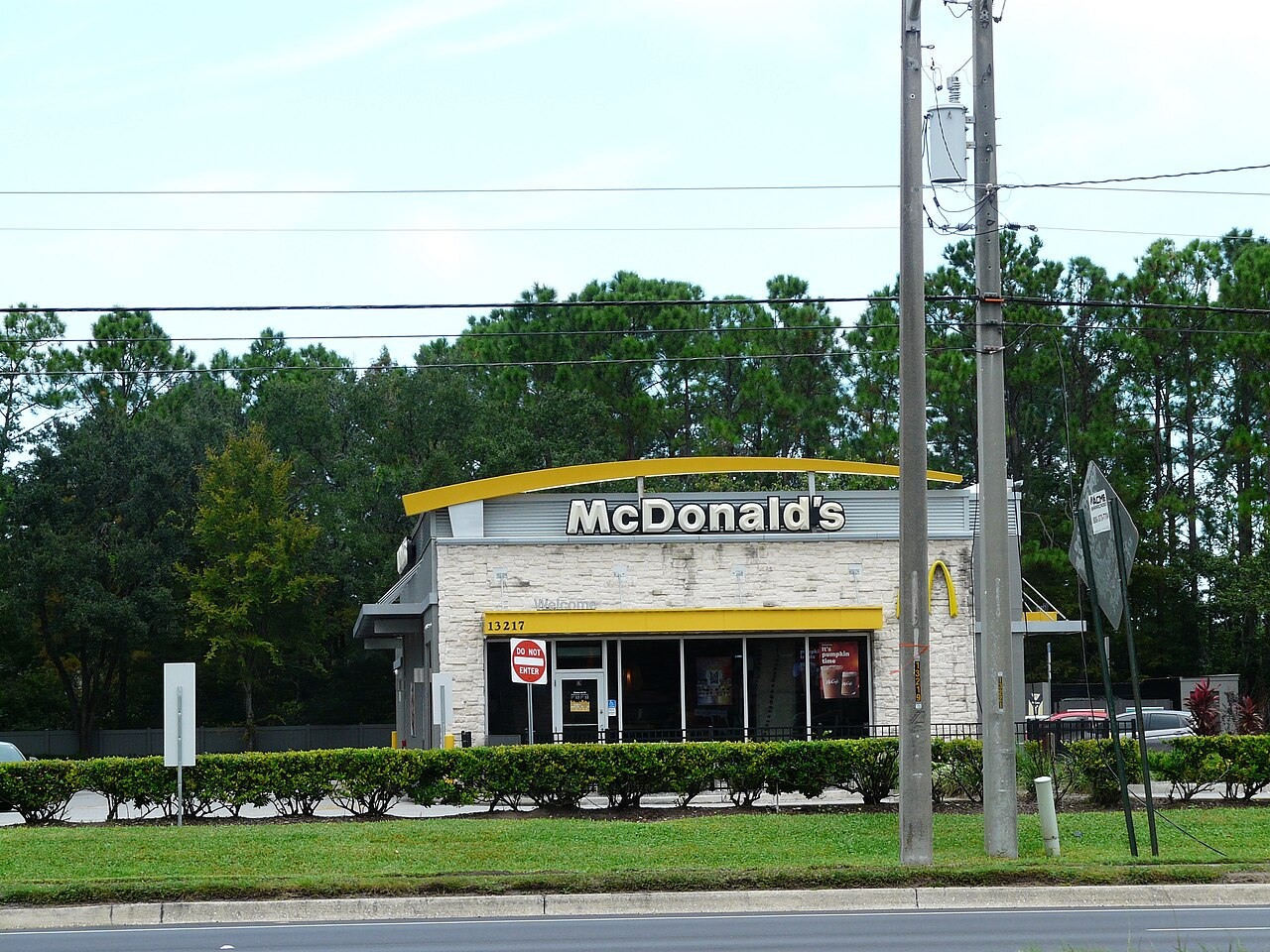
Geographic context · The Bushranger · CC BY-SA 4.0 · Display crop
Florida · 7 min read
A contractor’s security director diverted winning pieces. A federal appeals court later asked what four people further down the chain actually knew.
Open the case ↗These stories follow evidence, court records and the people whose lives were changed. We distinguish allegations from findings, give uncertainty room, and link the sources so you can read further. Our approach ↗


