A photograph put Martin MacNeill at a ceremony on the morning his wife died. It did not cover the rest of the morning. A medication log showed how Michele MacNeill’s daughter had helped care for her after surgery. Part of that record disappeared. The original medical examiner described the death as natural. A successor changed the finding to undetermined. When the case reached a jury years later, each of those details answered a narrower question than either side’s account of the death. [1]
Case brief
Pleasant Grove, Utah · 2007
- Recorded outcome
- Martin MacNeill convicted of murder and obstruction in 2013. Convictions affirmed in March 2017. He died in custody the next month.
Key moments
People in this case
- Michele MacNeill
Murder victim
Photo at source · ABC News · family photograph - Martin MacNeill
Convicted of Michele MacNeill’s murder
Photo at source · ABC News · family photograph
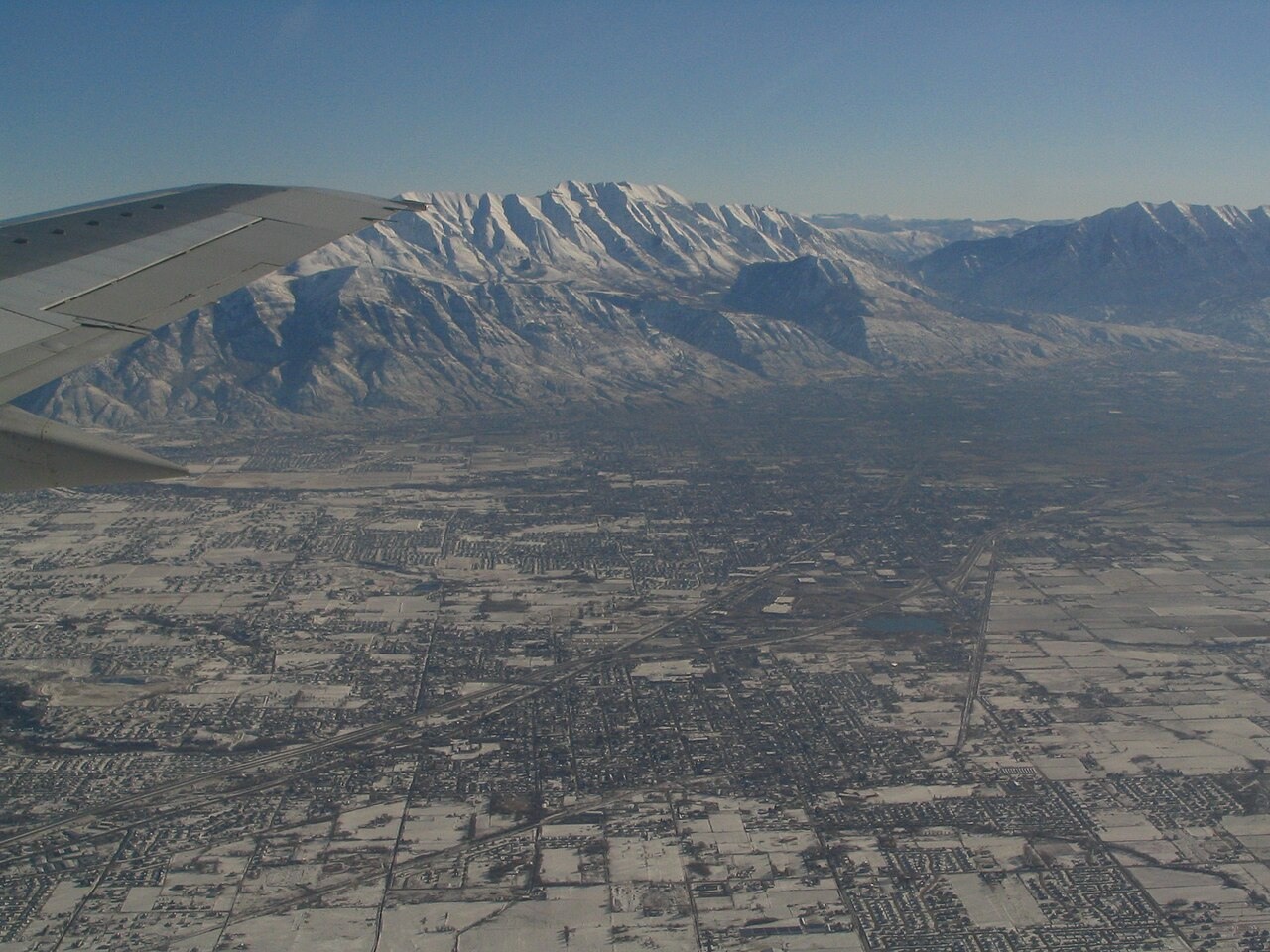
Ken Lund from Reno, Nevada, USA · Image source · CC BY-SA 2.0 · Geographic context; not authentic crime evidence. The building or landscape is public geographic context; no event is assigned to it.

Care after surgery
Michele lived with her family in Pleasant Grove, Utah. In April 2007 she was recovering from a facelift. Her adult daughter Alexis helped manage the medications she was taking. The appellate record describes Alexis keeping notes, observing her mother’s condition and trying to make sure the schedule remained manageable. It also recounts evidence about Martin’s involvement in obtaining prescriptions and the concern that arose when Michele was unusually difficult to rouse. [1]
The prescriptions themselves had an ordinary explanation. People recovering from surgery may need pain relief, help with sleep or treatment for nausea. The state’s theory depended on showing that medication had been used in a way that was not ordinary care. Alexis’s testimony mattered because she could describe what she did, when she was there and how her mother appeared under different circumstances. The notes made by someone administering medication supplied another way to test recollection. They could document entries made by that caregiver, but did not establish every dose given in her absence. [1]
There was also evidence of Martin’s relationship with Gypsy Willis. Communications and later conduct provided the prosecution with a theory of motive. Proof of a relationship would not establish a mechanism of death. It was a separate piece of the state’s case, significant only if the evidence about the morning and the medical findings supported the conclusion that Michele had been killed. [1]
The time the camera actually fixes
On April 11 Alexis spoke with her mother in the morning. The appellate opinion describes an ordinary call followed by a message connected to instructions for Michele to stay in bed. The prosecution used the sequence to consider when Michele was able to communicate, and the instructions Martin gave about the period after the call. Timing mattered because the later account of discovery left an interval in which nobody outside the household could describe what had happened minute by minute. [1]
Martin attended a ceremony and sought a photograph documenting his presence. The image and witness testimony could put him at that event. They could not place him there for every moment before and after it. The state argued that the significance of the photo was as much his insistence on being photographed as the time the picture could establish. A jury could consider that behavior and still accept that he had attended the ceremony. The dispute concerned what the documented appearance explained about the rest of his movements. [1]
Later that morning Martin picked up the couple’s youngest daughter. She later told investigators that when they returned home they found Michele clothed in the bathtub. She went for help at her father’s direction. The state examined differences between what witnesses recalled and the position Martin described. They were differences in accounts given after an emergency. The testimony gave the jury facts to evaluate, but did not put a witness in the bathroom at the moment Michele lost consciousness. [1]
The things witnesses could check
Martin gave emergency responders an account in which Michele had taken too much medicine, slipped and hit her head. At the hospital a doctor did not see injuries that supported a fall in the way described. Michele was pronounced dead. The medical examiner was called because the cause was uncertain at that stage. The doctor’s observation supplied a concrete way to test an explanation offered during the emergency. It did not by itself show a deliberate act by someone else. [1]
Later that day, according to testimony, Martin had his son’s girlfriend dispose of medication. Alexis returned looking for the medication records. The small pad she had used in the first days was still there. The black notebook she used later was missing. This was important to the obstruction charge because the prosecution argued that conduct after the death impeded a determination of what had happened. Missing records do not tell a reader who removed them. The testimony about disposing of the pills was more specific, as a witness described being directed to do it. [1]
The loss of the pills and later notebook changed what could be reconstructed. A count made after the fact would already have had limits unless each prescription and use was accounted for. Without the original material the possibilities narrowed further. The record available for trial included medical results and people’s accounts of the medication, but no complete medication ledger that could resolve every disputed dose. [1]
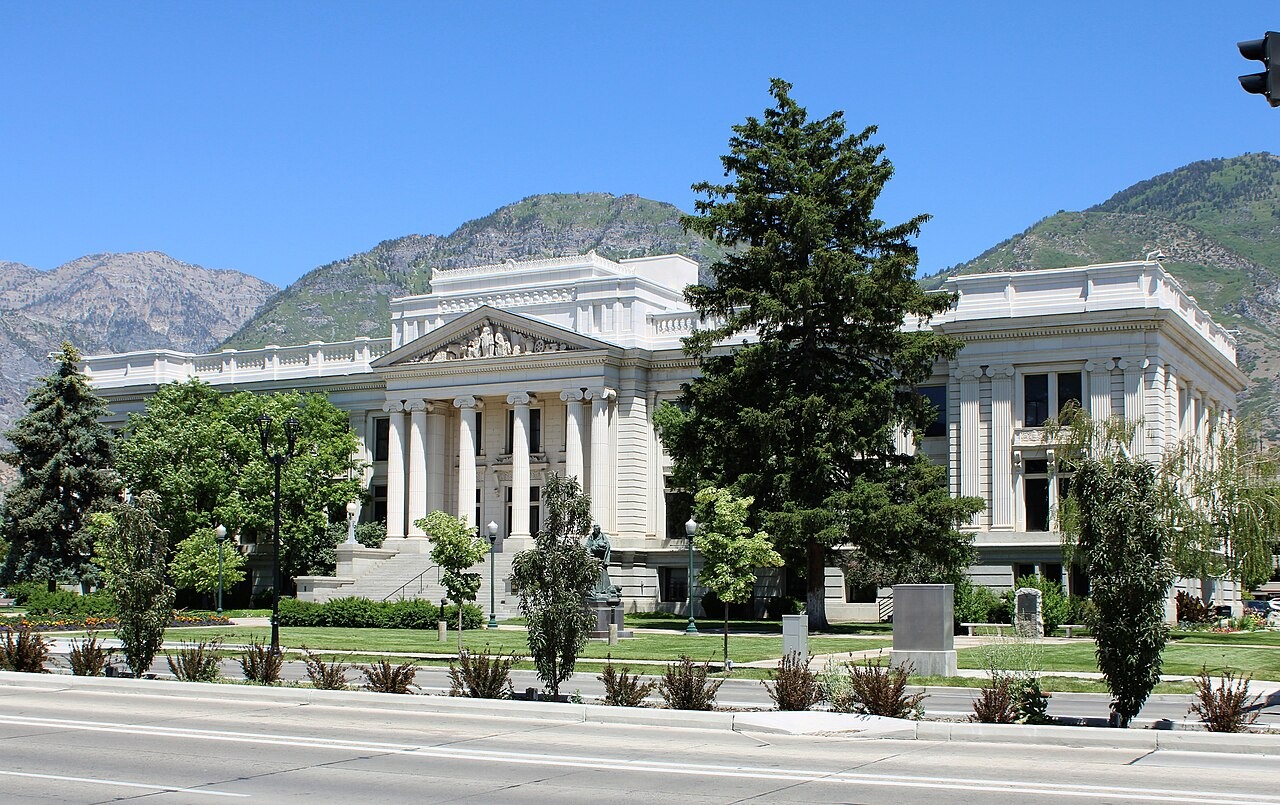
Farragutful · Image source · CC BY-SA 4.0 · Geographic context; not authentic crime evidence. The building or landscape is public geographic context; no event is assigned to it.

A medical conclusion is revised
The original medical examiner determined that Michele died of cardiovascular disease and classified the manner as natural. Michele’s daughters and sister asked for another look. A toxicologist reviewed findings identifying a combination of medications in her blood, and a successor medical examiner reviewed the original determination. The successor listed the combined effects of heart disease and drug toxicity and classified the manner of death as undetermined. [1]
Cause and manner are different parts of a death investigation. The first addresses the medical processes contributing to death. The second describes the circumstances under a set of categories. A revision to undetermined gave the prosecutors grounds to revisit an earlier explanation. It did not become a finding of homicide. The state still needed to persuade a jury that the death resulted from a deliberate act and that Martin committed it. The defense could rely on the evidence of disease and the uncertainty of the medical classification in contesting that account. [1]
The prosecution argued that Michele had been incapacitated with medication and drowned. It drew on toxicology, the circumstances of her discovery, the accounts of family members and responders, and conduct that prosecutors interpreted as showing a desire to divert attention. The defense disputed the inference of deliberate killing. An appellate opinion summarizing the case in the light of the verdict may state the evidence in terms favorable to the prosecution. That is the procedural lens the Utah court used, and it matters when reading its account of disputed testimony. [1]
Why conduct after the death mattered
Willis was brought into the household as a nanny shortly after Michele’s death. The state used the timing and evidence of the prior relationship to support its motive theory. The developments after the funeral gave family members another reason to question accounts Martin had offered. They also had a limit as evidence. Conduct after a death may cast light on earlier motives without showing what someone did at a particular hour. The jury was asked to weigh that conduct with evidence about medication, timing and the scene. [1]
A jailhouse witness presented another kind of problem. The defense argued that information affecting how the jury could evaluate the witness had not been disclosed properly. The appeals court considered the timing and materiality of the information and the other evidence supporting the verdict. It rejected the challenge under the standard it applied. This was an assessment of the importance of the claimed disclosure problem to the trial as a whole, rather than an endorsement of every statement attributed to the witness. [1]
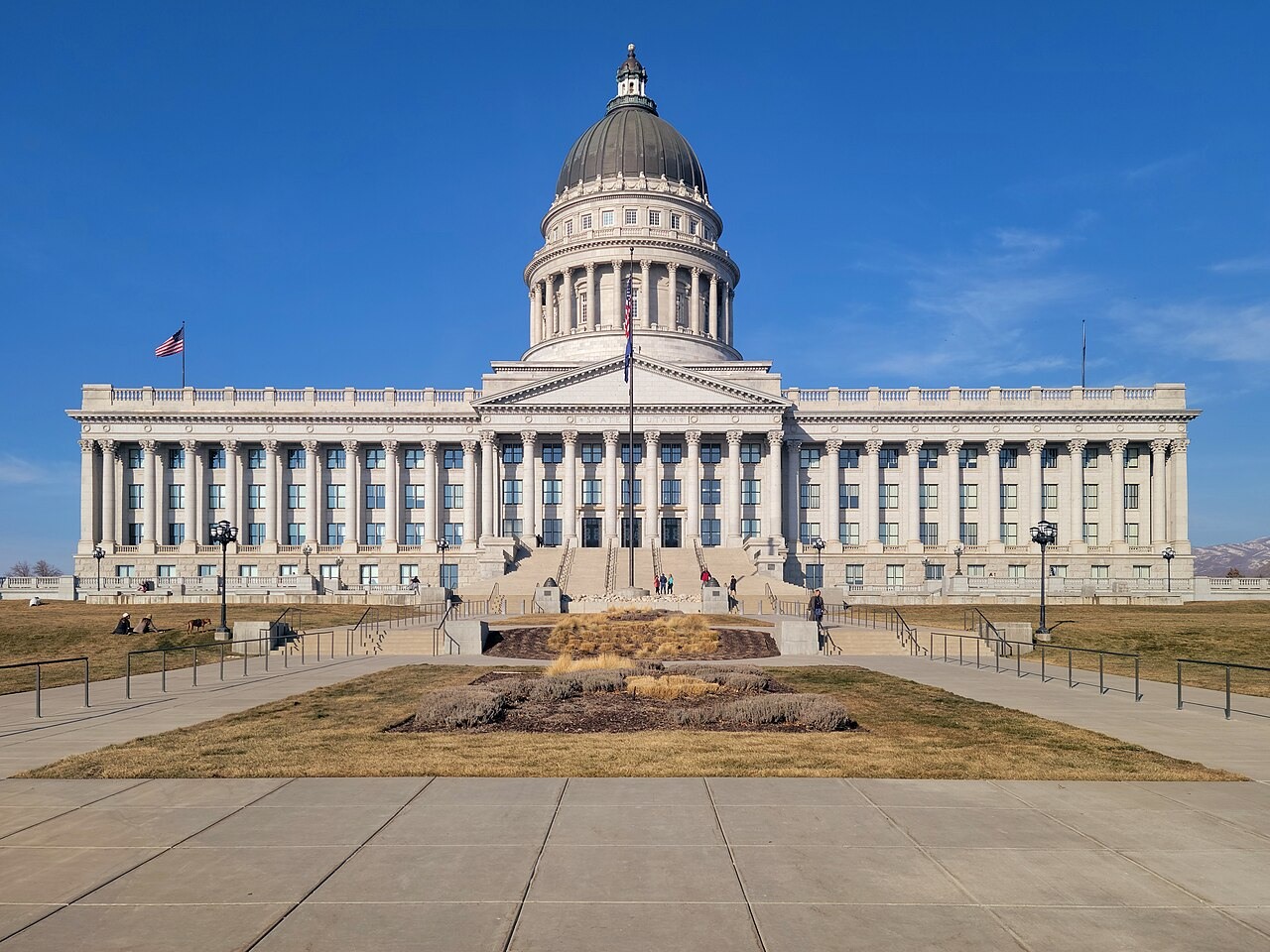
GyozaDumpling · Image source · CC BY-SA 4.0 · Geographic context; not authentic crime evidence. The building or landscape is public geographic context; no event is assigned to it.

A verdict after years of uncertainty
The separate counts also explain why jurors heard so much about what happened after the ambulance left. The murder charge concerned conduct the state said caused Michele’s death. The obstruction charge allowed jurors to examine subsequent actions, including disposal of the pills. In September 2014 the judge imposed fifteen years to life on the murder count and a consecutive term of one to fifteen years for obstruction. The sentence was structured by count, even though the evidence of later conduct also formed part of the wider account the prosecution presented at trial. [1] [3]
A jury convicted Martin of murder and obstruction of justice in 2013. The Utah Court of Appeals affirmed the convictions in March 2017. It concluded that the evidence considered together was sufficient to sustain the verdict and rejected the claims raised in that appeal. Martin died in custody the following month. A later report gave the official determination that his death was a suicide. That finding concerned his death and did not resolve any outstanding factual detail about Michele’s. [1] [2] [3]
The chronology preserves the initial natural classification as an actual part of the case. Removing it would make a reassessment look inevitable and would hide what Michele’s family had to ask investigators to reconsider. It also preserves the revised undetermined classification without upgrading it to a medical finding of murder. The criminal verdict came from a jury evaluating testimony, records and conduct together. The photograph could locate Martin at one event, the toxicology could identify substances, and the witnesses could describe things they saw. The prosecution’s job was to show how those pieces fit in the time they did not cover. [1]
Look closer · 9 visuals
Inside the evidence.
Open a visual to explore what it contributed to the case—and the limits of what it shows. Photographs, historical reproductions and original illustrations are individually labeled. Open the notes for each image’s source, credit, and limitations; setting photographs do not depict crime scenes.
The medication log
Original editorial illustration — not an actual evidence photograph or exhibit.
Read the evidence notes
Alexis made records while caring for Michele.
The surviving notes do not account for every dose.
One photographed appearance
Original editorial illustration — not an actual evidence photograph or exhibit.
Read the evidence notes
The photograph and witness account fixed one appearance.
The image cannot establish Martin’s location for the entire morning.
Accounts of the discovery
Original editorial illustration — not an actual evidence photograph or exhibit.
Read the evidence notes
Witnesses described the discovery and its aftermath differently.
None supplied a direct view of the moment Michele lost consciousness.
Original and revised medical findings
Original editorial illustration — not an actual evidence photograph or exhibit.
Read the evidence notes
A successor reviewed disease and drug toxicity together.
The revised medical classification did not determine homicide.
The obstructed record
Original editorial illustration — not an actual evidence photograph or exhibit.
Read the evidence notes
A witness described disposal at Martin’s direction.
The notebook’s disappearance does not identify who removed it.
Witness challenge on appeal
Original editorial illustration — not an actual evidence photograph or exhibit.
Read the evidence notes
The appellate court assessed the significance of the challenged material.
Affirmance is not independent corroboration of every witness statement.
Mount Timpanogos and Utah Valley
Context photograph — not an actual crime exhibit. The building or landscape is public geographic context; no event is assigned to it.
Read the evidence notes
Mount Timpanogos and Utah Valley. Geographic context photograph; not a crime-scene photograph or an original evidence exhibit. The building or landscape is public geographic context; no event is assigned to it.
Geographic context; not authentic crime evidence. The building or landscape is public geographic context; no event is assigned to it. The source and reuse terms are linked below.
Ken Lund from Reno, Nevada, USA · Image source · CC BY-SA 2.0
Historic Utah County Courthouse in Provo
Context photograph — not an actual crime exhibit. The building or landscape is public geographic context; no event is assigned to it.
Read the evidence notes
Historic Utah County Courthouse in Provo. Geographic context photograph; not a crime-scene photograph or an original evidence exhibit. The building or landscape is public geographic context; no event is assigned to it.
Geographic context; not authentic crime evidence. The building or landscape is public geographic context; no event is assigned to it. The source and reuse terms are linked below.
Farragutful · Image source · CC BY-SA 4.0
Utah State Capitol in Salt Lake City
Context photograph — not an actual crime exhibit. The building or landscape is public geographic context; no event is assigned to it.
Read the evidence notes
Utah State Capitol in Salt Lake City. Geographic context photograph; not a crime-scene photograph or an original evidence exhibit. The building or landscape is public geographic context; no event is assigned to it.
Geographic context; not authentic crime evidence. The building or landscape is public geographic context; no event is assigned to it. The source and reuse terms are linked below.
GyozaDumpling · Image source · CC BY-SA 4.0
★ Key evidence used in a conviction · ✓ Exclusion or reversal · ◇ Disputed evidence · ⊘ Excluded at retrial · ◆ Identity / investigative finding, not a conviction. A symbol does not mean one item proved the whole case.
Follow the locations
Put the story on the map.
Follow the dated entries, then select an event to find its regional setting. Shared-location pins open a group of events. Evidence symbols identify important findings and their limitations.
Open the map in its own window ↗Sources & further reading
- State v. MacNeill · Utah Court of AppealsMedication, discovery, pathology revision, witness disclosure and affirmance.
- Deseret News · Official determination of Martin MacNeill’s deathDeath in custody and later official determination.
- Associated Press · Sentencing in ProvoSentences for murder and obstruction.
Editorial review: 2026-11-09 · 1523 words