The North Carolina Supreme Court knew what was in the affidavit. The prosecutor investigating Eric Miller’s death did not. A lawyer had written down what his late client told him and given the document to a judge under seal. Investigators wanted information about a fatal arsenic poisoning. The lawyer had a duty to protect what a client had said in confidence. The question that reached the court was how to decide which information, if any, could pass from the judge to investigators. [1] [2]
Case brief
Raleigh and Chapel Hill, North Carolina · 2000
- Recorded outcome
- Ann Rene Miller pleaded guilty to second-degree murder and conspiracy in November 2005. The privilege decisions preceded and did not adjudicate the plea.
Key moments
People in this case
- Ann Miller Kontz
Pleaded guilty to murdering Eric Miller
Photo at source · The News & Observer · labeled courtroom photograph

Atlpedia · Image source · CC BY-SA 3.0 · Geographic context; not authentic crime evidence. The building or landscape is public geographic context; no event is assigned to it.

A night out and two hospital admissions
Eric was a postdoctoral research scientist in North Carolina. On November 15, 2000, he went bowling in Raleigh with some of his wife’s co-workers. One of them, Derril Willard, handed him a cup of beer. Eric drank some of it and remarked on its taste. By the next day he was sick enough to be admitted to Rex Hospital. The symptoms were later understood to be consistent with arsenic poisoning. The handoff and the illness established a sequence investigators could ask witnesses about. They did not themselves show what was in the cup or who had put anything in it. [1]
Eric was transferred to North Carolina Memorial Hospital in Chapel Hill on November 21 and discharged three days later. Recovery remained incomplete. He stayed home while his wife and his parents helped care for him. On December 1 he fell seriously ill again and returned to the hospital. He died in Raleigh the following day. The medical evidence establishing poisoning was crucial because it changed the investigation from a search for the cause of an unexpected illness to a search for the circumstances in which Eric had encountered arsenic. [1]
The two episodes also required investigators to preserve the difference between when Eric was observed to become sick and when someone administered a substance. Hospital dates were documented. The timing and circumstances of exposure had to be inferred from medical findings and other evidence. The bowling alley episode mattered because witnesses could recall the beer. The readmission mattered because the course of illness had changed after he returned home. A timeline that uses the date of an admission as a proven date of administration would conflate the two. [1]
A second timeline of phone calls
Detectives began interviewing people who had been at the bowling alley. They could not interview Willard in the initial round described in the court’s opinion. Ann Rene Miller, Eric’s wife, told police on the day he died that she did not know why anyone would poison him. Investigators also examined the nature of her relationship with Willard, her co-worker. They obtained records for several phones and traced 576 minutes of calls between the two in the period examined. Investigators considered other information about the relationship, including communications and accounts from people who knew them. [1]
The phone records gave investigators timestamps and a measure of contact. They could use those facts to ask whether the contact was ordinary for colleagues or suggested a relationship relevant to the death. They did not have 576 minutes of recorded conversation. The records alone could not establish what either person knew about Eric’s illness or an agreement to cause it. They supported a line of inquiry that could be tested against the rest of the evidence. [1]
Willard consulted attorney Richard Gammon. Willard died by suicide days later. He was never tried. The consultation mattered to prosecutors because they believed he might have conveyed information material to Eric’s death. It mattered to Gammon because a person seeking legal advice needs to be able to tell a lawyer sensitive things without assuming the lawyer will turn them over. The client’s death made it impossible to obtain his own decision about disclosure. It did not relieve the court of deciding which communications the law protected. [1] [2]
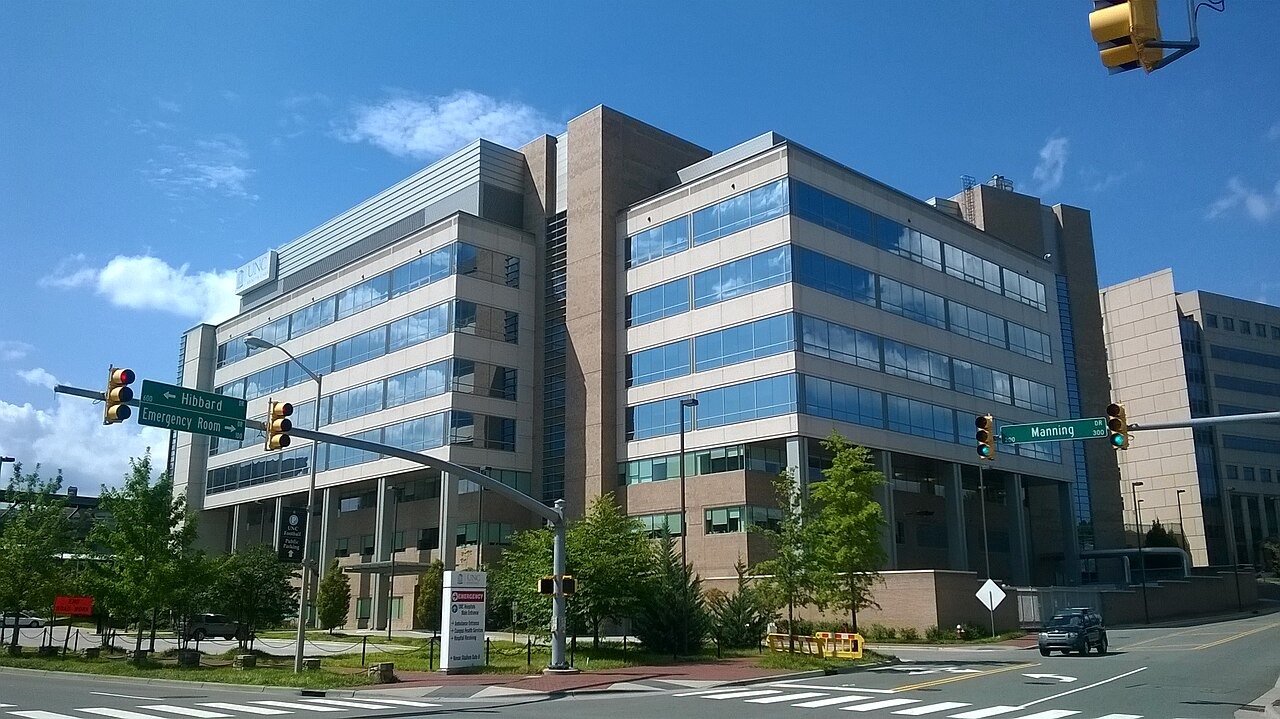
Bbfd · Image source · CC0 · Geographic context; not authentic crime evidence. The building or landscape is public geographic context; no event is assigned to it.

A prosecutor asks for access
On February 20, 2002, the state petitioned in Wake County Superior Court to have the information reviewed and potentially disclosed. In March the trial judge directed Gammon to prepare a sealed affidavit. The judge planned to examine it privately before deciding whether the interests of justice required giving anything to prosecutors. Compliance was stayed while Gammon appealed. At that point the request was part of an investigation before trial, rather than a dispute over a particular piece of evidence a jury had already heard. [1]
The state’s need for information was obvious. The case involved a death by poisoning and a possible source of knowledge who could no longer be questioned. But a rule allowing a judge to disclose a privileged communication whenever the investigation was grave would affect more than this case. Clients would have to wonder whether future courts would deem a prosecutor’s need great enough to outweigh a promise of confidentiality. The Supreme Court addressed that uncertainty by distinguishing the scope of privilege from a free-ranging judgment about the importance of a case. [1]
An executor’s willingness to release information did not by itself resolve the privilege question in this proceeding. The court rejected using the client’s death and the state’s interest in solving the case to discard the protection wholesale. It nonetheless recognized a way to evaluate a proper, good-faith argument that particular material fell outside the privilege. A judge could see the material privately and determine whether it concerned only a third party or also affected the client’s rights or interests. The latter category retained protection and was subject to more demanding conditions for disclosure. [1] [2]
What the judge could see
The court directed the trial judge to consider possible consequences to the late client and others if protected information concerning a third party were disclosed. Exposure of the estate to a civil suit, damage to the client’s reputation and harm to loved ones were among the concerns identified. A private review allowed the judge to distinguish that analysis from the threshold question of whether a passage concerned only someone else. [1] [2]
In August 2003 the Supreme Court sent the case back with those instructions. Gammon provided an affidavit under seal in September. The trial judge made findings about it the following month, with details protected from public view. The state could submit a legal argument without reading the confidential contents. The method gave a judge something concrete to evaluate while limiting how far the information traveled before the privilege issue was decided. [1] [2]
The distinction between confidential review and disclosure was the hinge of the process. If merely showing a judge a disputed statement automatically gave it to the prosecution, review would offer little protection. If a court could never see a contested statement, it might have to decide whether the privilege applied on the basis of labels alone. In this case the sealed filing let the courts evaluate individual material. It also created a public record with a deliberate gap. A reader can see the dates, the rulings and the category of material released without being entitled to the withheld material. [2]
The case returned to the state Supreme Court in 2004. The court approved release of a single paragraph, paragraph twelve, concerning a third party. It left the rest of the affidavit sealed. The fact that the court allowed the state to see one paragraph does not imply that it contained a full account of the death, or that the withheld paragraphs established the guilt of anyone else. The opinion established a boundary between information outside the privilege and the remainder. It was an order about what investigators could receive. [2]
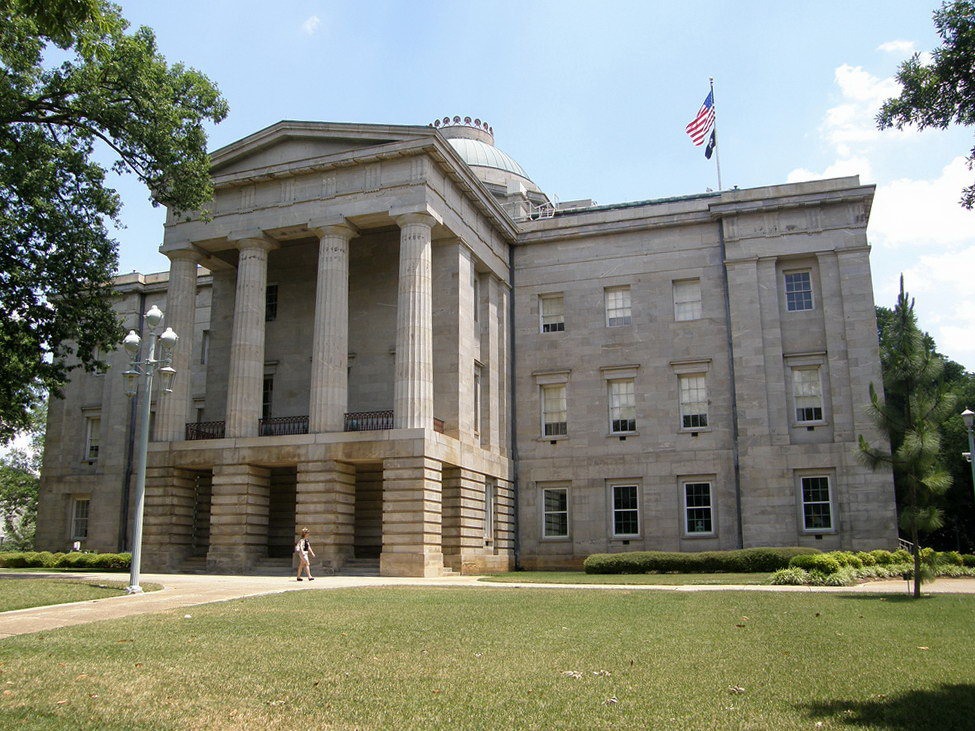
Jim Bowen from Fort Worth, US · Image source · CC BY 2.0 · Geographic context; not authentic crime evidence. The building or landscape is public geographic context; no event is assigned to it.

A plea answers a different question
Ann was charged in 2004. On November 7, 2005, she pleaded guilty to second-degree murder and conspiracy to commit first-degree murder. Contemporary reporting describes a prison term of twenty-five to thirty-one and a half years. The plea resolved the criminal charges identified in that agreement. It was a later legal event than the decisions concerning Gammon, which had governed disclosure during the investigation. [3] [4]
There is a temptation to read backward from the plea and assume the single paragraph was the one fact that proved everything. The public record supports a more limited sequence. Medical evidence established a fatal poisoning. Witness accounts and records supplied investigative leads. A judge, applying a standard affirmed on review, allowed a limited disclosure. The plea was Ann’s admission to the offenses resolved in court. It did not make a separate finding about every occasion of exposure or return a verdict against Willard. [1] [2] [3]
This is why the gallery gives separate space to the clinical chronology and to the two court decisions. The clinical chronology can be followed from Raleigh to Chapel Hill and back without assigning an exact exposure to every stop. The disclosure chronology can be followed from the petition to a sealed review and a partial release without presenting a mock-up of the affidavit. The central document in the case is significant precisely because most of it stayed out of public view. [1] [2]
Eric’s final weeks supplied a set of observable facts. He became ill, received care in two cities, returned home and then died after being readmitted. The investigation filled in some of the circumstances around those facts and the plea established a criminal outcome. The court opinions record how the state obtained one lead while leaving the client’s remaining communications protected. The public account ends at that boundary even though the sealed record extends past it. [1] [2] [3]
Look closer · 9 visuals
Inside the evidence.
Open a visual to explore what it contributed to the case—and the limits of what it shows. Photographs, historical reproductions and original illustrations are individually labeled. Open the notes for each image’s source, credit, and limitations; setting photographs do not depict crime scenes.
The clinical sequence
Original editorial illustration — not an actual evidence photograph or exhibit.
Read the evidence notes
Clinical and medical findings established illness and arsenic poisoning.
Admission dates do not establish dosing dates.
The bowling account
Original editorial illustration — not an actual evidence photograph or exhibit.
Read the evidence notes
Witnesses could describe events before the first admission.
No witness account identifies the contents by itself.
Calls without dialogue
Original editorial illustration — not an actual evidence photograph or exhibit.
Read the evidence notes
Records showed substantial contact between Ann and Willard.
They did not document a conversation about the poisoning.
Judicial review under seal
Original editorial illustration — not an actual evidence photograph or exhibit.
Read the evidence notes
The court allowed a limited way to determine what was protected.
Judicial access did not give prosecutors access.
The one paragraph
Original editorial illustration — not an actual evidence photograph or exhibit.
Read the evidence notes
Only a specific portion fell outside privilege in the ruling.
The diagram contains no purported text of the affidavit.
The plea came later
Original editorial illustration — not an actual evidence photograph or exhibit.
Read the evidence notes
Ann later pleaded guilty to two offenses.
The plea was not a verdict against Willard.
Downtown Raleigh, North Carolina
Context photograph — not an actual crime exhibit. The building or landscape is public geographic context; no event is assigned to it.
Read the evidence notes
Downtown Raleigh, North Carolina. Geographic context photograph; not a crime-scene photograph or an original evidence exhibit. The building or landscape is public geographic context; no event is assigned to it.
Geographic context; not authentic crime evidence. The building or landscape is public geographic context; no event is assigned to it. The source and reuse terms are linked below.
Atlpedia · Image source · CC BY-SA 3.0
UNC Hospitals in Chapel Hill
Context photograph — not an actual crime exhibit. The building or landscape is public geographic context; no event is assigned to it.
Read the evidence notes
UNC Hospitals in Chapel Hill. Geographic context photograph; not a crime-scene photograph or an original evidence exhibit. The building or landscape is public geographic context; no event is assigned to it.
Geographic context; not authentic crime evidence. The building or landscape is public geographic context; no event is assigned to it. The source and reuse terms are linked below.
Bbfd · Image source · CC0
North Carolina State Capitol in Raleigh
Context photograph — not an actual crime exhibit. The building or landscape is public geographic context; no event is assigned to it.
Read the evidence notes
North Carolina State Capitol in Raleigh. Geographic context photograph; not a crime-scene photograph or an original evidence exhibit. The building or landscape is public geographic context; no event is assigned to it.
Geographic context; not authentic crime evidence. The building or landscape is public geographic context; no event is assigned to it. The source and reuse terms are linked below.
Jim Bowen from Fort Worth, US · Image source · CC BY 2.0
★ Key evidence used in a conviction · ✓ Exclusion or reversal · ◇ Disputed evidence · ⊘ Excluded at retrial · ◆ Identity / investigative finding, not a conviction. A symbol does not mean one item proved the whole case.
Follow the locations
Put the story on the map.
Follow the dated entries, then select an event to find its regional setting. Shared-location pins open a group of events. Evidence symbols identify important findings and their limitations.
Open the map in its own window ↗Sources & further reading
- In re Investigation of the Death of Eric Miller · North Carolina Supreme CourtIllness, poisoning, communications, petition and rule for private judicial review.
- In re Investigation of the Death of Eric Miller · second decisionReview on remand, paragraph twelve and limits on disclosure.
- The News & Observer · original plea report, republishedPlea counts and sentence.
- The News & Observer · case chronologyCharging and plea dates.
Editorial review: 2026-11-09 · 1553 words