By the time the maple reached a mill in Tumwater, Washington, it no longer looked much like a tree in a national forest. It was valuable wood presented with paperwork purporting to show a legal private harvest. Investigators had something to compare with the blocks at the mill. In the Olympic National Forest near Elk Lake they had found the remains of trees someone had cut. A Forest Service geneticist could test whether some of the wood on the two ends of the investigation had once been part of the same trees. [1] [2] [4]
Case brief
Olympic National Forest and Tumwater, Washington · 2018
- Recorded outcome
- Justin Wilke convicted of timber-related crimes and sentenced to twenty months. The jury did not convict him on two fire counts. Shawn Williams pleaded guilty separately.
Key moments
Case photographs
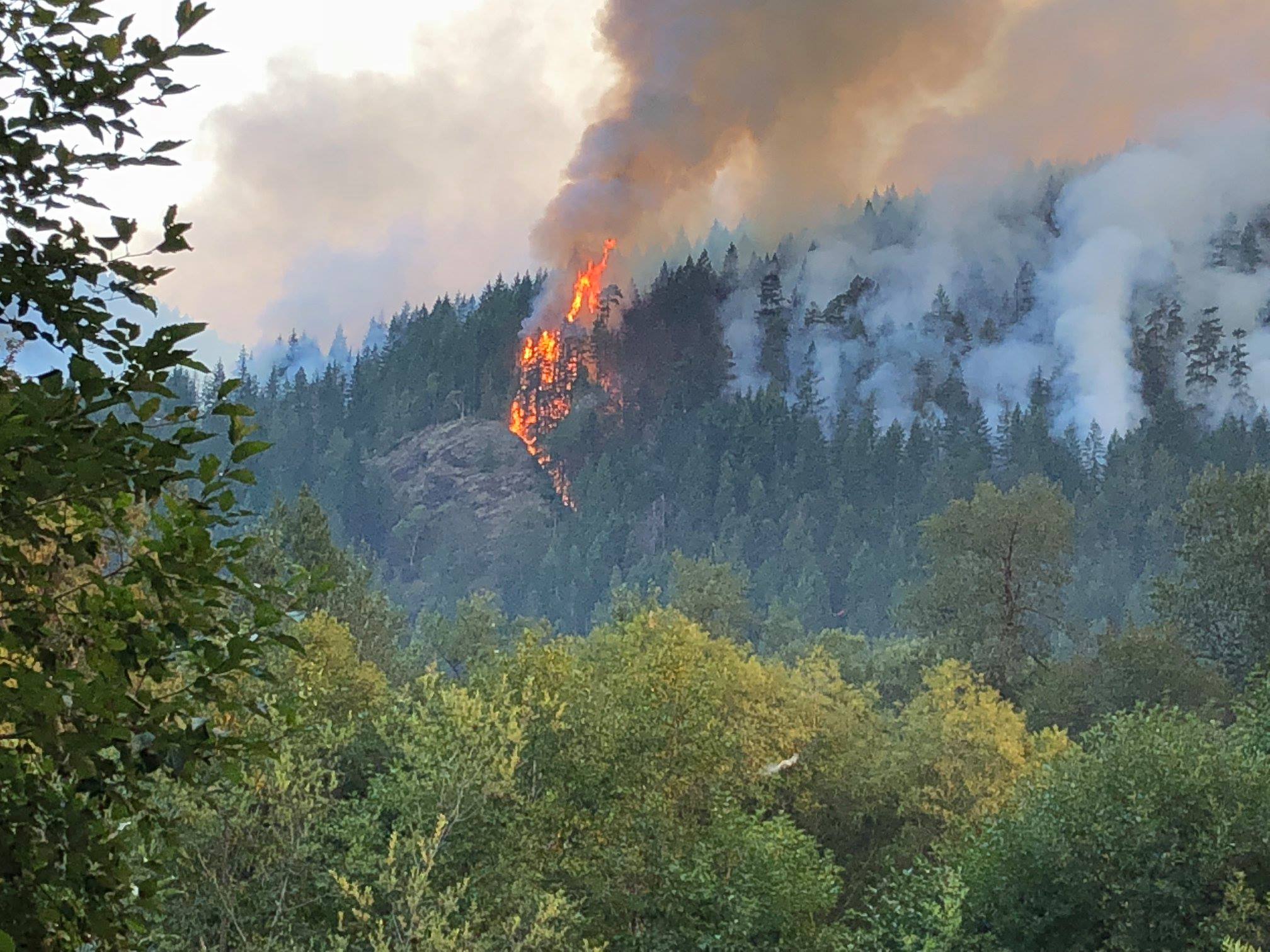
The 2018 Maple Fire The fire in Olympic National Forest that figured in the timber-theft prosecution.
Incident photograph · USDA Forest Service, Pacific Northwest Region · U.S. public domain- Timber examined in the Maple Fire prosecution
Photographs and diagrams of the wood DNA investigation
Photo at source · U.S. Forest Service · research account
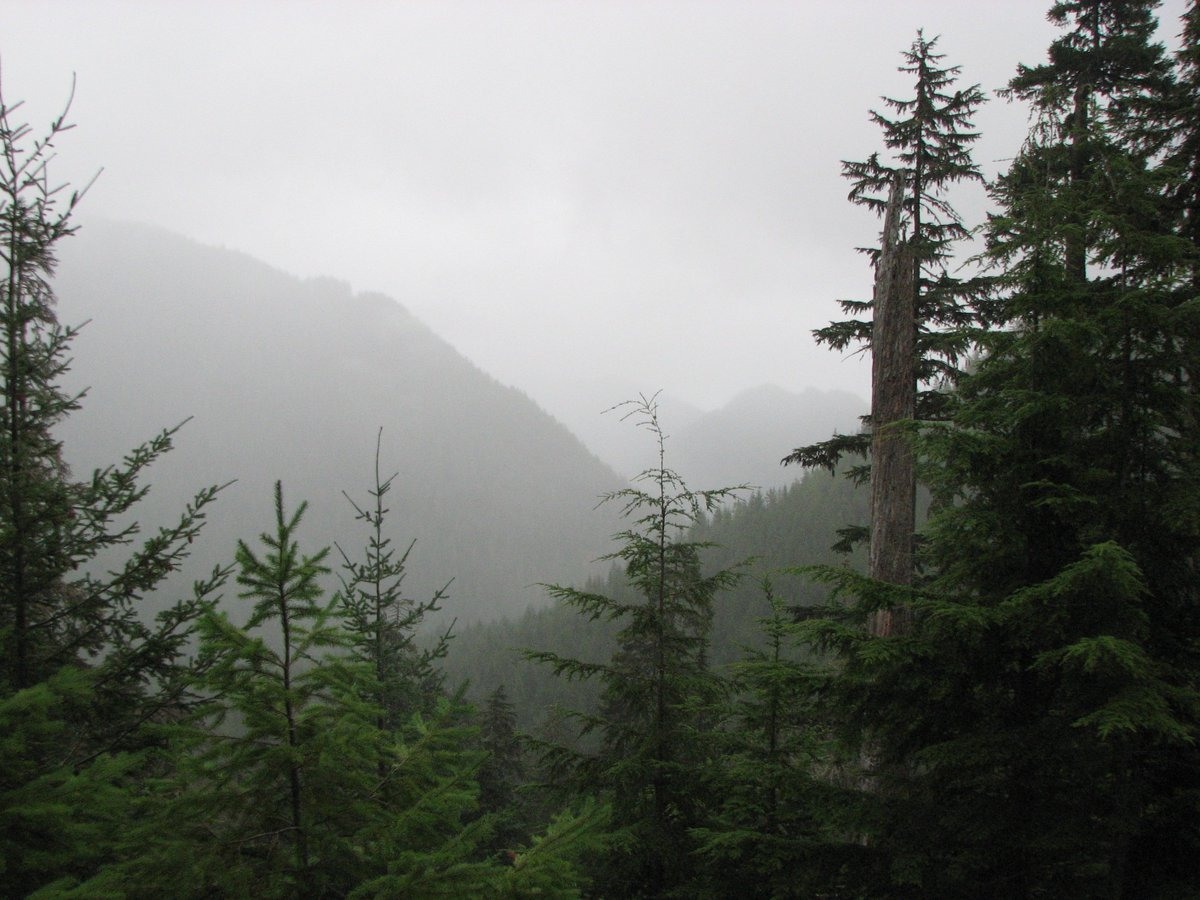
US Forest Service · Image source · Public domain · Geographic context; not authentic crime evidence. The building or landscape is public geographic context; no event is assigned to it.


Why a block of wood was worth taking
Bigleaf maple grows in the Pacific Northwest. Certain trees yield wood with a pattern prized by people who make instruments and other finished pieces. The value is in how the grain looks when worked, which is one reason the wood can be bought and sold as blocks rather than as whole trunks. The defendants’ interest, according to the charging record, was in finding figured wood that could be taken out of the forest and sold. The forest’s value to the people who own it collectively is a separate consideration from what a dealer will pay for a block. [1] [3] [4]
Public and private parcels can both produce maple of the same species. That is precisely why identifying the species could not settle this case. A mill can buy wood lawfully cut on private property. For investigators to establish theft, they needed evidence that particular wood came from trees the sellers had no authority to take. Looking at the grain might tell a buyer something about quality. It would not tell a buyer whether a block came from one side or the other of a property boundary. [1] [4]
From the Olympic Peninsula to Tumwater
The government’s case covered activity between April and August 2018 in the Elk Lake area near Hood Canal. The indictment described scouting for trees in the vicinity of Elk and Lena lakes and transporting pieces for sale. It described an intermediate property near Lilliwaup and deliveries to a mill in Tumwater. Those locations do different work in the story. The forest is where the government alleged the trees were cut. The mill was where wood was presented for purchase. A regional marker for either does not establish every cut site or leg of transport. [1] [3]
Justin Wilke and others sold blocks to the mill. According to the government’s account after trial, Wilke relied on forged permits and claimed the material came from a private harvest. Shawn Williams joined the operation in July, according to the records summarized in the verdict announcement. Williams’s eventual plea and Wilke’s trial would answer separate questions. At the mill, the underlying question was whether a claim of lawful origin could survive a test independent of the paperwork. [1] [2]
The importance of the papers was that they supplied a claim with practical consequences. If the origin was genuine, the blocks could enter a normal market as legitimate timber. If the origin was false, a commercial buyer could receive valuable material without being able to identify its origin from its appearance. The prosecution’s response was to trace the physical material, in addition to investigating the documents and the people who presented them. [1] [2] [4]
The August fire
On August 3 a group intending to cut a maple encountered a nest at the base of the tree. Prosecutors attributed the resulting fire to an attempt to deal with the nest. The fire spread and became the Maple Fire. The department later reported that it burned more than 3,300 acres and cost about $4.2 million to contain. That figure describes the fire response reported after trial. It should not be substituted for a court’s final restitution order against either individual. [1] [2] [3]
The fire gave law enforcement reason to investigate what people were doing in the forest. It also raised a question distinct from the ownership of timber sold earlier. Investigators needed to determine what started the fire, who was there and what each person had done. Trial witnesses placed Wilke near the point where the fire was set but could not see his exact actions in the dark, according to the department’s account. A jury could credit enough of the evidence to find attempted timber theft at the tree while finding the government had fallen short on the fire offenses. [1] [2]
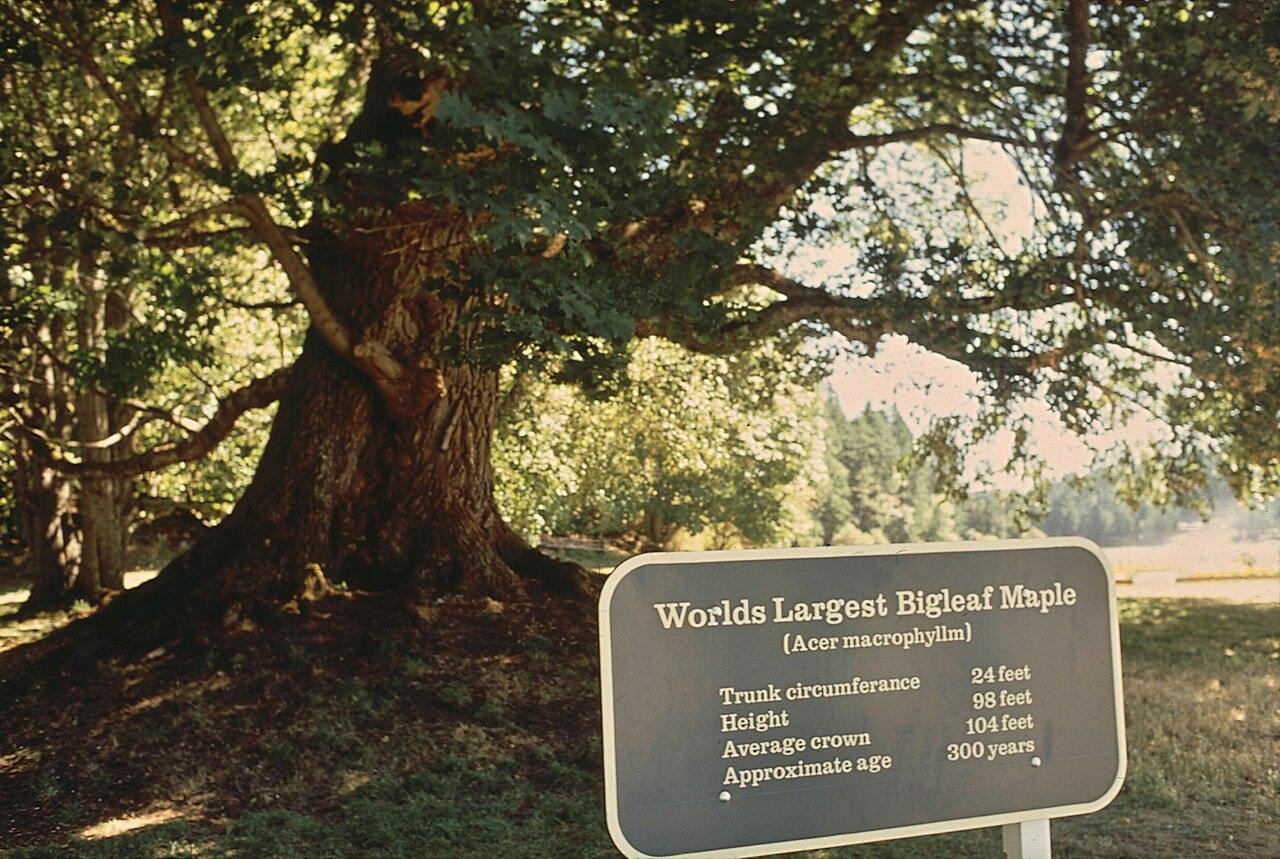
Gene Daniels · Image source · Public domain · Geographic context; not authentic crime evidence. This is a different bigleaf maple, shown to illustrate the species.


Reading the wood against the stumps
Forest Service research geneticist Richard Cronn testified about comparisons between wood sold to the mill and remaining material from cut trees. The Forest Service describes work by Cronn and Laura Hauck to develop a way to identify bigleaf maple wood using genetic markers. In this case, the analysis supported matches to the remains of three trees investigators had located. That is an individual-origin question. A specimen could test as bigleaf maple and still fail to match a particular stump. [1] [4]
Matching a block to a tree can help bridge a gap that an investigator cannot fill with an eyewitness. There need not have been a person watching the tree fall and following the wood all the way to the mill. There do need to be samples whose origins are documented and an analysis that makes it possible to assess whether the match could be coincidental. The very small chance figure reported by prosecutors concerns coincidental genetic matching under the analysis. It cannot be translated into a probability that any person is guilty or that a particular witness is telling the truth. [1] [4]
The sentencing release discusses seven additional trees for which the exact locations had not been determined. That should be kept separate from the three matches to identified remains. One part of the analysis let investigators connect material sold to the mill with specific trees they found. The wider account concerned other wood attributed to the unlawful activity. Drawing ten pinpoints on the map would claim information the government itself said it lacked. [1] [2]
The evidence has another limit worth preserving. Matching wood to a stump can rebut a claim that the wood came from somewhere else. It cannot identify the person who operated a saw or tell a court how a fire started. For those issues the prosecution still had to present records, witnesses and circumstances. That is why the laboratory work earns a key marker in the timber case and why the fire testimony has its own marker and legal outcome. [1] [2] [4]
The pleas and verdicts
For a buyer, a permit and the physical material would ordinarily travel together as parts of the same transaction. The forensic comparison let the jury evaluate the origin claim even after the wood was separated from the forest. A surviving stump is an unusually useful counterpart because investigators can sample material that remains in place. A wood shipment without such a counterpart can pose a harder tracing problem. [1] [4]
A federal indictment in 2019 charged offenses relating to the wood and the fire. The allegations began the federal case and are identified as allegations on the map. Williams pleaded guilty in December 2019 to theft of public property and setting timber afire. He received a thirty-month prison sentence in September 2020. His admissions and sentence are distinct from the verdict and sentence later entered against Wilke. [1] [3] [5]
In July 2021 a Tacoma jury convicted Wilke on charges that included conspiracy, theft and depredation of public property, and trafficking and attempted trafficking in unlawfully harvested timber. The jury did not convict him on either of the two counts relating to the fire. The timber verdict and the result on the fire counts were rendered after the same trial. The source of the wood was a question the genetic comparisons could help answer with great specificity. Who set or used the fire was a question for which the evidence had a different character and degree of precision. [1] [2]
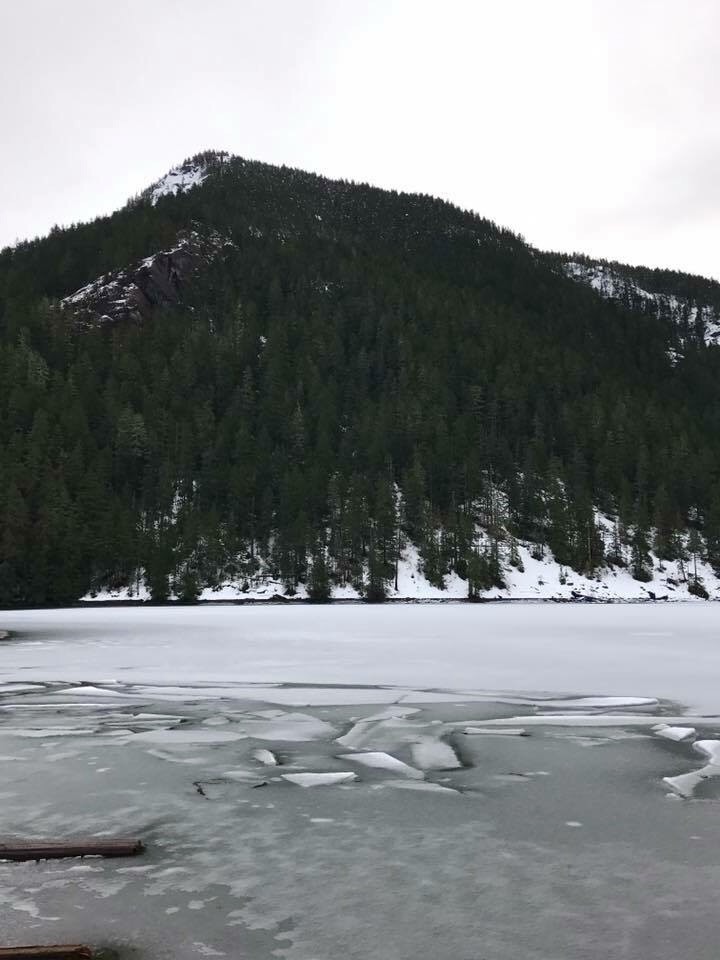
U.S. Forest Service- Pacific Northwest Region · Image source · Public domain · Geographic context; not authentic crime evidence. The building or landscape is public geographic context; no event is assigned to it.


What the judge found at sentencing
At Wilke’s sentencing in November, Judge Benjamin Settle made findings about his presence and the crew’s role in starting the fire. According to the government’s release, the judge found by clear and convincing evidence that Wilke was present and a member of the crew set the fire. The judge found it more likely than not that Wilke set it or directed someone else to do so. The sentencing assessment used different standards from the jury’s determination of criminal guilt. The resulting twenty-month term was for the counts on which Wilke had been convicted. [2]
The court also ordered forfeiture of proceeds, and the government said the restitution amount for Wilke would be determined later. Williams’s restitution is a separate item in the Justice Department’s account of his case. The reviewed sentencing announcement does not establish Wilke’s final amount. The cost of containing the fire, a proposed or pending restitution amount and a judgment ordering payment are three different figures even when they refer to the same damage. [2] [5]
There are two physical trails through this case. One begins with a cut stump and ends with a comparison to wood someone sold as privately harvested. The other begins where the fire took hold and ends in a proceeding that asked what could be shown about the people nearby. The maple’s DNA made the first trail unusually precise. The two different legal outcomes for Wilke show where that precision ended. [1] [2] [4]
Look closer · 9 visuals
Inside the evidence.
Open a visual to explore what it contributed to the case—and the limits of what it shows. Photographs, historical reproductions and original illustrations are individually labeled. Open the notes for each image’s source, credit, and limitations; setting photographs do not depict crime scenes.
A claim the mill could check
Original editorial illustration — not an actual evidence photograph or exhibit.
Read the evidence notes
The paperwork represented a lawful harvest.
The paper alone does not establish where the wood grew.
From stump to sale
Original editorial illustration — not an actual evidence photograph or exhibit.
Read the evidence notes
Genetic comparisons supported matches to three located trees.
The comparison does not identify who operated a saw.
What the probability measures
Original editorial illustration — not an actual evidence photograph or exhibit.
Read the evidence notes
The reported probability concerned coincidental genetic matching.
It is not a probability of guilt.
Witnesses near the fire
Original editorial illustration — not an actual evidence photograph or exhibit.
Read the evidence notes
Witnesses described presence without seeing exact actions.
The jury did not convict on the two fire counts.
Two levels of legal findings
Original editorial illustration — not an actual evidence photograph or exhibit.
Read the evidence notes
The judge made findings for sentencing after the jury’s verdict.
The findings did not add a fire conviction.
Costs and restitution
Original editorial illustration — not an actual evidence photograph or exhibit.
Read the evidence notes
The figures and proceedings describe different obligations.
The reviewed Wilke release does not establish his final restitution.
Olympic National Forest in September 2017
Context photograph — not an actual crime exhibit. The building or landscape is public geographic context; no event is assigned to it.
Read the evidence notes
Olympic National Forest in September 2017. Geographic context photograph; not a crime-scene photograph or an original evidence exhibit. The building or landscape is public geographic context; no event is assigned to it.
Geographic context; not authentic crime evidence. The building or landscape is public geographic context; no event is assigned to it. The source and reuse terms are linked below.
US Forest Service · Image source · Public domain
A bigleaf maple on Washington’s San Juan Island
Context photograph — not an actual crime exhibit. This is a different bigleaf maple, shown to illustrate the species.
Read the evidence notes
A bigleaf maple on Washington’s San Juan Island. Geographic context photograph; not a crime-scene photograph or an original evidence exhibit. This is a different bigleaf maple, shown to illustrate the species.
Geographic context; not authentic crime evidence. This is a different bigleaf maple, shown to illustrate the species. The source and reuse terms are linked below.
Gene Daniels · Image source · Public domain
Winter ice at Lena Lake in Olympic National Forest
Context photograph — not an actual crime exhibit. The building or landscape is public geographic context; no event is assigned to it.
Read the evidence notes
Winter ice at Lena Lake in Olympic National Forest. Geographic context photograph; not a crime-scene photograph or an original evidence exhibit. The building or landscape is public geographic context; no event is assigned to it.
Geographic context; not authentic crime evidence. The building or landscape is public geographic context; no event is assigned to it. The source and reuse terms are linked below.
U.S. Forest Service- Pacific Northwest Region · Image source · Public domain
★ Key evidence used in a conviction · ✓ Exclusion or reversal · ◇ Disputed evidence · ⊘ Excluded at retrial · ◆ Identity / investigative finding, not a conviction. A symbol does not mean one item proved the whole case.
Follow the locations
Put the story on the map.
Follow the dated entries, then select an event to find its regional setting. Shared-location pins open a group of events. Evidence symbols identify important findings and their limitations.
Open the map in its own window ↗Sources & further reading
- Justice Department · Verdict after timber trialJuly 8 verdict, genetic comparisons, fire testimony and Williams plea.
- Justice Department · Wilke sentencingNovember 8 sentencing, findings and pending restitution amount.
- Federal indictment · United States v. Wilke and WilliamsCharging allegations about scouting, removal, transport and the fire.
- U.S. Forest Service · Decoding the fingerprints of trees through their DNADevelopment and purpose of genetic identification for bigleaf maple.
- Justice Department · Environmental Crimes Section bulletinSeparate Williams sentence and restitution; verify exact Wilke dates against releases.
Editorial review: 2026-11-09 · 1543 words