At 1:13 a.m. a casino camera showed Christie Wilson walking toward a parking area with Mario Garcia. The recording could establish when they left and which direction they walked. Darkness took them out of view before it could show what happened at the car. A jury later convicted Garcia on evidence from the casino, the car and the days after the disappearance. Christie’s family still had to wait years to learn where she was buried. [1] [2]
Case brief
Placer County, California · 2005
- Recorded outcome
- Mario Garcia convicted of first-degree murder and a separate weapons offense. The 59-years-to-life judgment was affirmed. Christie recovered in 2020.
Key moments
- October 5, 2005 · 1:13 a.m.Camera shows Christie and Garcia leave★ Key conviction evidenceView on map
- October 2005 · vehicle searchesHairs from door handle and trunk area match★ Key conviction evidenceView on map
- August 24, 2020 · announcementRecovery of Christie’s remains announced◆ Identity confirmedView on map
People in this case
- Christie Wilson
Murder victim
Photo at source · CBS News · photograph credited to Debbie Boyd
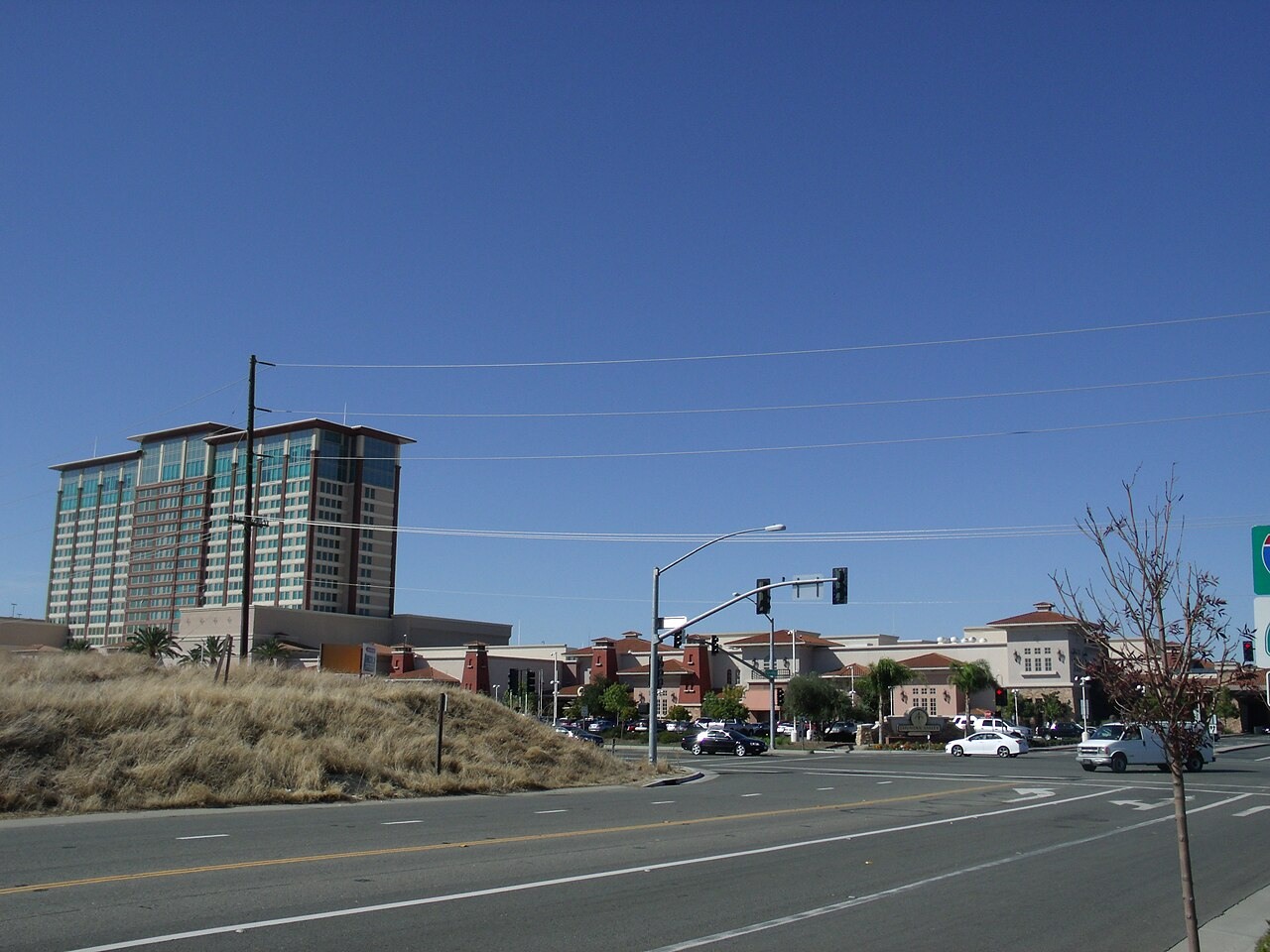
Noah_Loverbear · Image source · CC BY-SA 3.0

The appointment Christie never reached
Christie had graduated from Chico State and worked in technology. In early October 2005 she was pursuing a job in Berkeley. She contacted the company to reiterate her interest after two interviews and was scheduled for another on October 7. She was also in frequent contact with relatives and friends. On October 4 she exchanged messages with her mother and sent a picture of her cat in a Halloween costume. After that night, the people expecting to hear from her did not. [1]
The missed interview gave investigators a practical way to evaluate a suggestion that Christie left voluntarily. She had gone to the trouble of arranging it and told people she was looking forward to it. That alone could not rule out someone deciding to leave. As investigators compared it with the absence of contact and account activity, it became one of many observations inconsistent with Christie quietly carrying on her life somewhere else. [1]
The last images of Christie
Christie went to Thunder Valley Casino in Placer County on October 4. She met Garcia while playing blackjack. The court record describes them sitting at one table for several hours. They left together in the early hours of October 5. Camera footage showed the two walking toward Garcia’s car. Later footage captured a white car leaving. An analyst enhanced the video, and the appellate account describes Garcia as the visible occupant. That observation could not resolve whether Christie was somewhere the camera did not show. [1]
Christie’s car remained at the casino. Her phone had been found under the blackjack table. Garcia later said she went back for the phone after they walked out. Investigators could check that explanation against the records available to them. The reviewed footage did not show her returning in the relevant interval. Investigators also used Garcia’s player-card information to identify him as the man in the video. The card and the images worked together: one supplied an account associated with play, and the other captured the movements of people the casino could then identify. [1]
The parking footage had a stretch in which the people could no longer be seen clearly. The opinion describes flashes consistent with lights operated by a remote key and a delay before the car pulled away. Those details helped fix an interval to examine. Neither the flashes nor the fact that a white car moved established what happened during the interval. A continuous account of what Christie did would have required evidence the camera could not supply. [1]
The search moves beyond the casino
Christie was reported missing on October 6. Police examined places she might have gone and looked for signs she was using ordinary services. They found no subsequent activity on her bank account or email, according to the opinion. Government and volunteer searches turned up no trace. A witness later suggested he might have seen her elsewhere but could not pick her out of an initial photographic lineup. The jury had evidence of extensive absence as well as a reason to consider whether a reported sighting was reliable. [1]
When detectives spoke to Garcia, he acknowledged meeting Christie and leaving at about the same time. He denied that she had been in his vehicle. Witnesses and medical workers reported injuries on him after the night at the casino. He offered explanations involving work outdoors and a fall. The prosecution presented expert testimony that the marks were more consistent with a struggle. A medical opinion about the pattern could challenge a fall explanation, but it could not name the person who caused the injuries. [1]
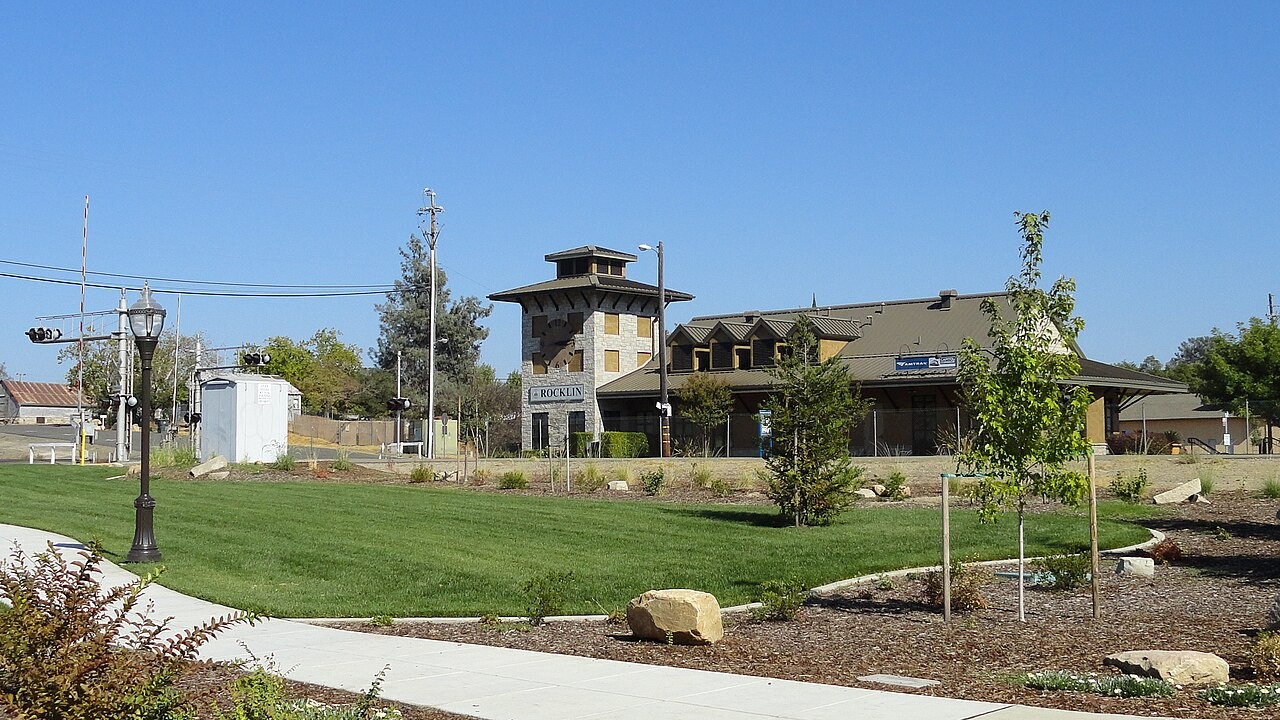
T71024 · Image source · CC BY-SA 3.0

What the car could tell the jury
The car was searched after Garcia left it with law enforcement. Investigators recovered a hair from the front passenger door handle and another from the trunk area. The court describes DNA matches to Christie for both. Other samples yielded partial profiles or mixtures. The prosecution used the location of the finds, the condition of the car and the injuries as pieces of a larger account. The analyses did not determine exactly how a hair got into the trunk area or exactly when material was deposited. [1]
This was a more direct test of Garcia’s account than the parking-lot footage. A video in which only the driver is visible does not establish that every part of the car was empty. A hair associated with Christie gave prosecutors a reason to challenge Garcia’s denial of any contact with the interior or door. The strength of the two principal hair results should be kept separate from other material that merely could not exclude Christie. The latter category describes a wider set of possible sources. [1]
The opinion also describes stains and mixtures on surfaces inside the car. A criminalist tested an explanation for how some of the material was deposited. That was an interpretation informed by testing, rather than a direct observation of an altercation. The prosecution needed the jury to consider the pattern alongside the other physical findings and the descriptions of Garcia’s injuries. The state could make a circumstantial case without being able to show every movement that followed the casino footage. [1]
The trunk was another point where a physical observation depended on earlier testimony. The court says the car had been sold to Garcia with carpeting in the trunk and that a co-worker had previously seen it. It was missing at the time of the search. Garcia denied that the car ever had the carpeting described by the witnesses. The state could use the discrepancy to support an inference about efforts to clean the car. It still had to rely on the witnesses’ knowledge of the vehicle’s condition at different times. [1]
The two hairs and the later surface findings should also be read in the order investigators obtained them. An initial search recovered the hair wedged at the passenger door. Another search produced the trunk-area hair from material collected with tape. Further examination by the state laboratory documented stains and genetic mixtures. Some comparisons were stronger than others, and the record identifies contamination issues in a separate testing process. Those limits matter because reliability is assessed sample by sample. A weakness in one test neither supplies a result for the others nor allows a reader to describe all of the results as uniform. [1]
What the jury and appellate judges decided
Garcia was convicted of first-degree murder and a separate weapons offense. The court imposed a combined sentence of fifty-nine years to life. His appeal challenged the evidence and instructions, including the state’s argument based on the way he ended a police interview. The appellate court held that using the assertion of constitutional rights as evidence of guilt was error. It concluded that the error was harmless beyond a reasonable doubt in light of other evidence and affirmed. [1]
The court held that the evidence was sufficient for first-degree murder under a felony-murder theory based on kidnapping. That is a holding about the proof necessary to sustain the judgment. It does not turn a dark part of a recording into visible proof of the exact act of restraint. Nor did the jury have the later recovery to consider. Jurors reached a verdict on the facts and inferences available when they heard the case. [1]
The other offense concerned a weapon found during a search of the car. The fact that it generated its own count is a reason to read the sentence carefully. The fifty-nine-year minimum reflects the combined judgment and enhancement described by the court. It does not establish that the separate weapon was used to kill Christie. The recovery years later should not be used to make that link without further evidence. [1] [3]
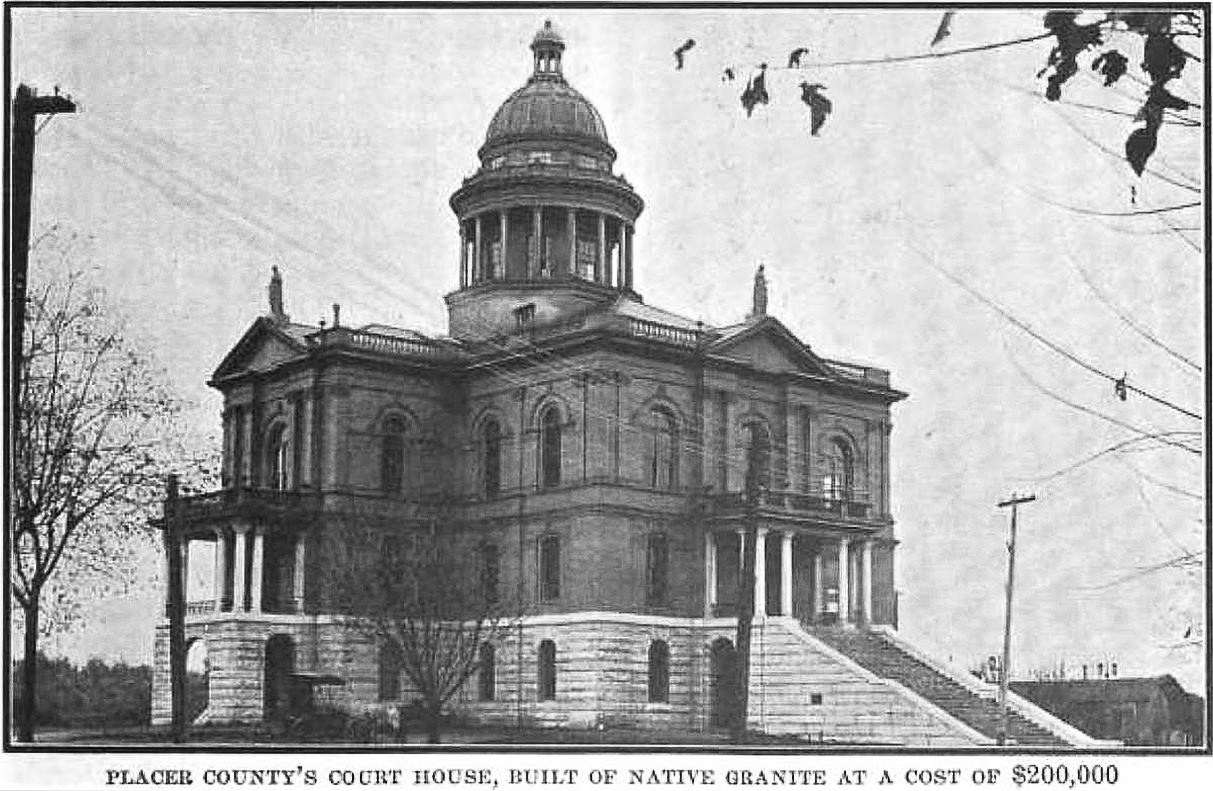
Uncredited historical photographer · Image source · Public domain · The image does not depict the crime or an evidence exhibit.


The search continues after conviction
Christie’s family continued to seek her remains. In 2020 investigators recovered them at a property Garcia had owned in Placer County. The recovery occurred about fifteen years after she disappeared. Reporting describes the family’s efforts and the role of information obtained after the conviction. The county reference on the map locates the recovery in the region without pinpointing a private property. [2] [3]
A later recovery gives a family an answer about where someone was concealed. It can also give investigators evidence unavailable at trial. It does not mean the original jury saw that evidence, or that every earlier hypothesis about a weapon or exact manner of death was confirmed. The verdict and recovery have separate entries because they answer separate questions. The court resolved the criminal charges. The renewed search ended the uncertainty about where Christie was. [1] [2]
The tape remains an effective starting point because it shows the last documented movements in public. It also shows the edge of the camera’s usefulness. Beyond that point the investigation relied on account records, physical traces and testimony. The later recovery supplied a different endpoint for a search that a verdict alone had been unable to finish. [1] [2]
Look closer · 9 visuals
Inside the evidence.
Open a visual to explore what it contributed to the case—and the limits of what it shows. Photographs, historical reproductions and original illustrations are individually labeled. Open the notes for each image’s source, credit, and limitations; setting photographs do not depict crime scenes.
The final documented appearance
Original editorial illustration — not an actual evidence photograph or exhibit.
Read the evidence notes
Footage showed Christie and Garcia leave together.
The recording does not show an abduction.
Two hairs in the vehicle
Original editorial illustration — not an actual evidence photograph or exhibit.
Read the evidence notes
The court describes two DNA matches to Christie.
The tests cannot establish when or how the hairs were deposited.
After the casino
Original editorial illustration — not an actual evidence photograph or exhibit.
Read the evidence notes
Witnesses and experts addressed possible causes of Garcia’s injuries.
Their observations did not identify the person involved.
The missing-person record
Original editorial illustration — not an actual evidence photograph or exhibit.
Read the evidence notes
Investigators found no trace of ordinary ongoing activity.
Absence is circumstantial evidence.
Error and affirmance
Original editorial illustration — not an actual evidence photograph or exhibit.
Read the evidence notes
The court found a trial error harmless beyond reasonable doubt.
The ruling did not authorize guilt inferences from invoking rights.
The discovery after the verdict
Original editorial illustration — not an actual evidence photograph or exhibit.
Read the evidence notes
A later search found Christie.
The original jury did not have the recovery evidence.
Thunder Valley Casino Resort in a later photograph
Setting photograph for geographic context.
Read the evidence notes
Thunder Valley Casino Resort in a later photograph. A later photograph of the casino, separate from the security footage.
A later photograph of the casino, separate from the security footage. The source and reuse terms are linked below.
Noah_Loverbear · Image source · CC BY-SA 3.0
The railway station in Rocklin, Placer County
Setting photograph for geographic context.
Read the evidence notes
The railway station in Rocklin, Placer County. The image does not depict the crime or an evidence exhibit.
The image does not depict the crime or an evidence exhibit. The source and reuse terms are linked below.
T71024 · Image source · CC BY-SA 3.0
The historic Placer County Courthouse in Auburn
Setting photograph for geographic context.
Read the evidence notes
An archival view of the historic Placer County Courthouse in Auburn. County setting, without identifying the trial venue.
The image does not depict the crime or an evidence exhibit. The source and reuse terms are linked below.
Uncredited historical photographer · Image source · Public domain
★ Key evidence used in a conviction · ✓ Exclusion or reversal · ◇ Disputed evidence · ⊘ Excluded at retrial · ◆ Identity / investigative finding, not a conviction. A symbol does not mean one item proved the whole case.
Follow the locations
Put the story on the map.
Follow the dated entries, then select an event to find its regional setting. Shared-location pins open a group of events. Evidence symbols identify important findings and their limitations.
Open the map in its own window ↗Sources & further reading
- People v. Garcia · California Court of AppealDisappearance, surveillance, DNA, kidnapping-based felony murder and affirmance.
- CBS Sacramento · Christie Wilson recoveryRecovery and family’s efforts.
- CBS Sacramento · Sheriff announces the recoveryContemporaneous report from the sheriff’s announcement.
Editorial review: 2026-11-09 · 1557 words