The vehicle was found in Lewiston. Rachael Anderson was not. Her family located the borrowed white Yukon on April 21, 2010, five days after she visited her estranged husband’s repair shop in Moscow, Idaho. Her purse was inside. The discovery gave searchers a place to examine, but it did not explain what had happened to her or where she had gone. [1]
Case brief
Moscow, Idaho · 2010
- Recorded outcome
- Charles Capone convicted September 2014; fixed life sentence reported February 2015; direct appeal affirmed 2018 and post-conviction dismissal affirmed 2023.
Key moments
People in this case
- Charles Capone
Convicted of murdering Rachael Anderson
Photo at source · KOZE · labeled photograph
The prosecution that followed would depend heavily on a man who admitted helping conceal her death. David Stone testified that Charles Capone killed Anderson and that the two men disposed of her body in a river. After Capone’s conviction, another account surfaced: a former cellmate said Stone had told him the body was not in the river at all. The dispute did not overturn the verdict. It did leave a distinction that no responsible version of this case should erase: a murder conviction and a verified recovery location are different things. [1]
Jeremy Segrott from Cardiff, Wales, UK · Image source · CC BY 2.0 · Commons-provided image; no content edits.

The repair that brought her back
Anderson and Capone married in September 2009 and separated that December. She filed for divorce. After the separation, she received harassing calls, and her car was repeatedly vandalized. Capone owned Palouse Multiple Services in Moscow and repaired the vehicle after the damage. On April 16, 2010, he was working on it again. [1]
Anderson arrived in a white Yukon belonging to a friend of Capone. She expected to collect her own car, became upset when it was not ready, and went to run errands while he continued working. The appellate opinion records that she bought beer with his debit card. Capone later said she left with a man named Vince. No one saw or heard from her after her visit with Capone, and she was reported missing after failing to appear at work the following Monday. [1]
Those errands should not be turned into an imagined final-day scene. The record supplies some movements and transactions, not every stop, thought, or conversation. What it does establish is that the car repair brought Anderson into contact with the husband she was trying to leave, and that his explanation of her departure became part of the investigation. [1]
A family searches across a border
Anderson was from Clarkston, Washington, part of a community connected across the state line to Lewiston, Idaho. Moscow lay to the north. Contemporary trial reporting described her four children and the years her adult daughters spent distributing fliers and placing posters. Their efforts continued while the case moved from a disappearance inquiry toward a murder prosecution. [3]
Police interviewed Capone on April 20. He admitted making the harassing calls to Anderson’s phone. The family’s discovery of the Yukon followed the next day. That sequence placed two different kinds of information before investigators: his admission about conduct before the disappearance and a vehicle containing her belongings afterward. Neither item alone told them where she was. [1]
On May 6, Capone was arrested on an unrelated federal firearms violation. The word “unrelated” matters: that arrest was not a murder verdict or proof that he had killed Anderson. His custody did, however, place him in contact with men who later became witnesses. Brent Glass and Joshua Voss reported incriminating statements about Anderson’s disappearance. [1]
The investigation lasted three years before Capone and Stone were charged on May 1, 2013, with first-degree murder and related crimes. The delay did not mean the intervening years were empty. For Anderson’s family, those years were a prolonged search; for prosecutors, they were the period in which a case without recovered remains had to be assembled. [1] [3]
Stone’s account
Stone testified that he was at the repair shop on April 16, 2010. He said Capone went outside to speak with Anderson; hearing a noise, Stone followed and saw Capone strangling her. When Stone asked what was happening, Capone told him to fetch a tarp. Stone said Anderson was still moving when he left and was dead when he returned. [1]
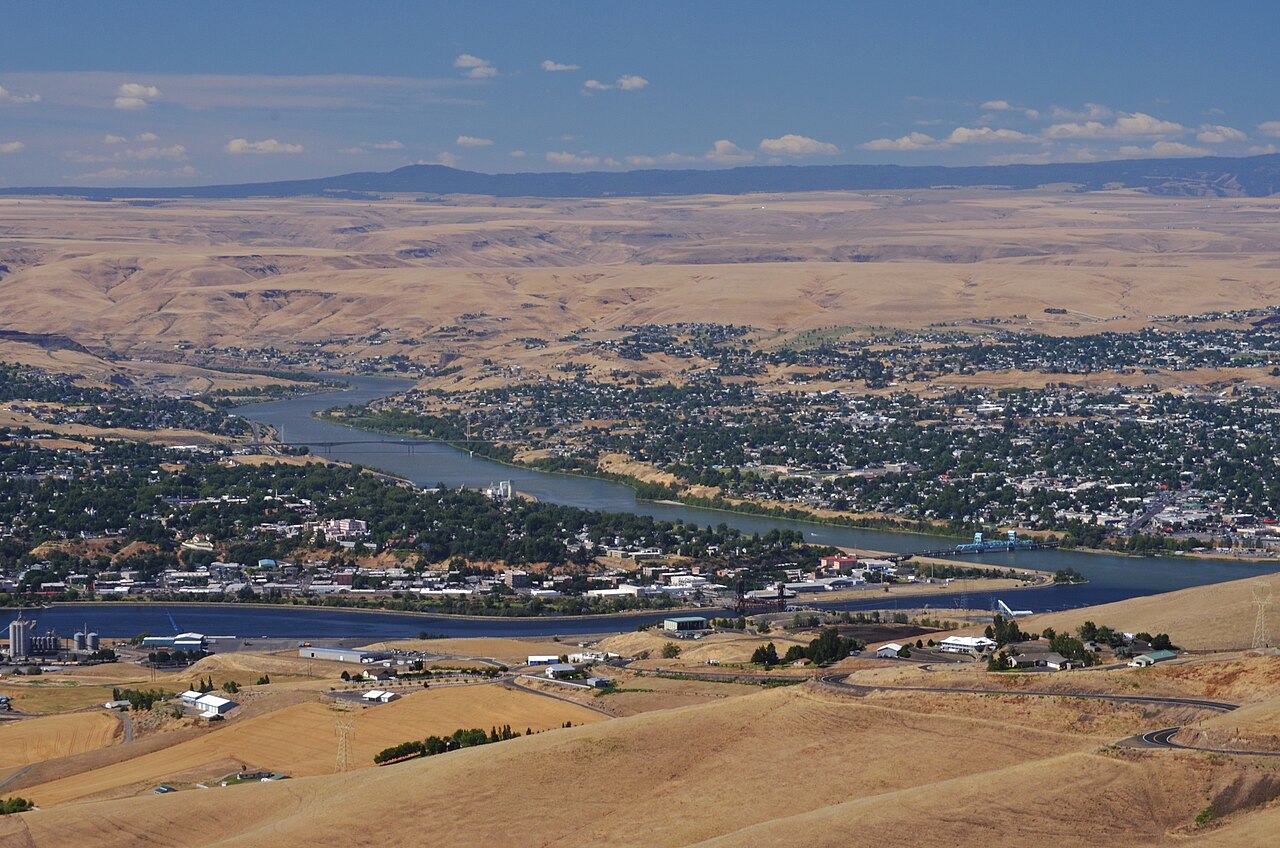
According to Stone, the men wrapped her body in the tarp and a chain, drove to the Lewiston area, and threw her from a bridge into the river. Contemporary trial reporting identified his account as involving the Red Wolf Crossing Bridge near Clarkston. The map uses the wider river region rather than pretending to mark a verified underwater location. Nothing in the sources reviewed for this story documents a recovery at that spot. [1] [3]
Stone had a substantial incentive to cooperate. After a preliminary hearing, he reached an agreement under which the murder charge against him would be dismissed in exchange for his testimony against Capone. That bargain belongs beside his account, not in a footnote readers might never reach. He was describing events in which he admitted participating, while receiving a major benefit from the prosecution. [1]
The defense questioned him extensively about inconsistent statements. The Idaho Supreme Court later noted that Capone spent a full day impeaching Stone and that Stone acknowledged repeatedly lying about Anderson’s disappearance before deciding in November 2013 to tell police the truth. Those admissions did not make every later statement self-proving. They gave jurors reasons to examine his testimony against other evidence. [1]
Forest Service Northern Region from Missoula, MT, USA · Image source · Public domain · Commons-provided image; no content edits.


What supported the witness
A Moscow shop owner testified that Capone bought a new tarp the day after Anderson disappeared. That purchase did not, standing alone, identify a crime. Its significance came from its timing and its connection to the object in Stone’s account. It was a separate witness describing an ordinary commercial transaction that prosecutors argued fit the concealment story. [1]
Glass and Voss supplied a different form of corroboration. They described statements in which Capone suggested Anderson would not return and would not be found. The accounts were not identical to Stone’s river narrative: one included a claim about burial. That difference should remain visible. The court treated the statements as evidence connecting Capone to the concealment offenses, without resolving them into one certain geographic account. [1]
The witnesses’ credibility was also contested. On appeal, the state supreme court held that the trial judge erred in ruling that Glass’s and Voss’s burglary convictions were irrelevant to credibility. It nevertheless found that error harmless, noting that jurors already knew the men had been incarcerated when they heard Capone’s statements. An affirmed conviction did not mean the reviewing court endorsed every evidentiary decision made at trial. [1]
The same was true of testimony about an alleged earlier strangulation attempt. The Supreme Court held that it should not have been admitted on the reasoning presented, but found the error harmless. This story therefore does not use that allegation as an unquestioned additional demonstration of guilt. The court’s criticism is part of the case, just as much as the outcome it ultimately left in place. [1]
One witness, different legal roles
Capone argued on appeal that Stone was an accomplice whose testimony needed corroboration under Idaho law. The Supreme Court separated the offenses. Based on the record before it, the court held that Stone was not an accomplice to the murder: witnessing it and fetching a tarp did not establish that he shared Capone’s criminal intent or aided the killing. [1]
For the later concealment offenses, the answer was different. Stone’s own testimony described helping wrap and dispose of Anderson’s body. The court treated him as an accomplice to failing to notify authorities of a death and to conspiring to commit that offense. His testimony on those charges therefore required corroboration, which the court found in the tarp purchase and Capone’s reported statements. [1]
This distinction does not excuse Stone’s actions or ask readers to accept his explanation of them. It explains why the same person could occupy different legal positions within one prosecution. Calling him simply “the accomplice” throughout would obscure the question the appellate court actually answered. [1]
The statement discovered afterward
Following the verdict, Capone learned what Stone had allegedly told Tyler Byers while the two were cellmates in July 2013: Anderson’s body would not be found in the river because it was not there. Capone sought a new trial. His argument challenged a central witness at the point where the family still lacked an answer—the location of Anderson’s remains. [1]
The district court rejected the motion, and the Supreme Court upheld that decision. It concluded that the statement could be used to impeach Stone, rather than as an admission by a party to Capone’s case. It also found that the new evidence probably would not produce an acquittal. Jurors had already heard extensive challenges to Stone’s truthfulness, and the alleged July statement fell within the period in which he admitted lying. [1]
The ruling was about the requirements for a new trial. It did not establish through physical recovery that Stone’s river account was correct. The gallery marks this contradiction as disputed evidence and places the limitation prominently beside it. There is no photograph purporting to show a recovered tarp, chain, or body because the record reviewed here does not provide one. [1]
Paul Sableman · Image source · CC BY 2.0 · Commons-provided image; no content edits.

The verdict and the unanswered search
The jury returned guilty verdicts in September 2014. Contemporary reporting places Capone’s sentencing on February 23, 2015, when he received a fixed life term for the murder and additional prison time. The Idaho Supreme Court affirmed the convictions and the denial of a new trial on September 6, 2018. [1] [3] [4]
Another challenge reached the Idaho Court of Appeals in 2023. In an unpublished opinion filed April 21, it affirmed the summary dismissal of his third amended petition for post-conviction relief. That decision addressed procedural and evidentiary requirements for the claims before it; it was not a new trial of the murder charge. Its unpublished status is retained in the source notes. [5]
Anderson’s family had a conviction without the return of the person they had searched for. The sources document a prosecution built from testimony, conduct, and corroborating circumstances, while preserving substantial disputes over a cooperating witness. The story’s ending is therefore deliberately precise: Capone was convicted of murder, the appellate challenges described here failed, and the court record examined for this article did not resolve Anderson’s location through a recovery. [1] [3] [5]
Look closer · 9 visuals
Inside the evidence.
Open a visual to explore what it contributed to the case—and the limits of what it shows. Photographs, historical reproductions and original illustrations are individually labeled. Open the notes for each image’s source, credit, and limitations; setting photographs do not depict crime scenes.
The Yukon was found
Original editorial illustration — not an actual evidence photograph or exhibit.
Read the evidence notes
The family found the white Yukon in Lewiston on April 21.
This is a vehicle symbol, not the actual SUV; the discovery did not establish Anderson’s location.
A separate tarp purchase
Original editorial illustration — not an actual evidence photograph or exhibit.
Read the evidence notes
A shop owner’s testimony about a new tarp supplied corroboration independent of Stone.
A purchase alone does not prove a homicide or identify the original tarp.
The bargain behind the account
Original editorial illustration — not an actual evidence photograph or exhibit.
Read the evidence notes
Stone received a substantial benefit for testifying and was extensively challenged about inconsistent statements.
The plea incentive does not automatically establish either truth or falsity.
Two accounts of the river
Original editorial illustration — not an actual evidence photograph or exhibit.
Read the evidence notes
Stone described river disposal; Byers later reported a contrary statement from July 2013.
The new-trial ruling did not physically establish where Anderson was left.
Statements from custody
Original editorial illustration — not an actual evidence photograph or exhibit.
Read the evidence notes
Cellmates described incriminating statements that the court treated as corroboration of concealment offenses.
The accounts differed in wording and were challenged; the tape icon does not imply an audio recording exists.
Different offenses, different roles
Original editorial illustration — not an actual evidence photograph or exhibit.
Read the evidence notes
The court distinguished Stone’s legal status for the killing from his participation in concealing the death.
This describes the 2018 opinion, not a moral exoneration or a general legal rule for other cases.
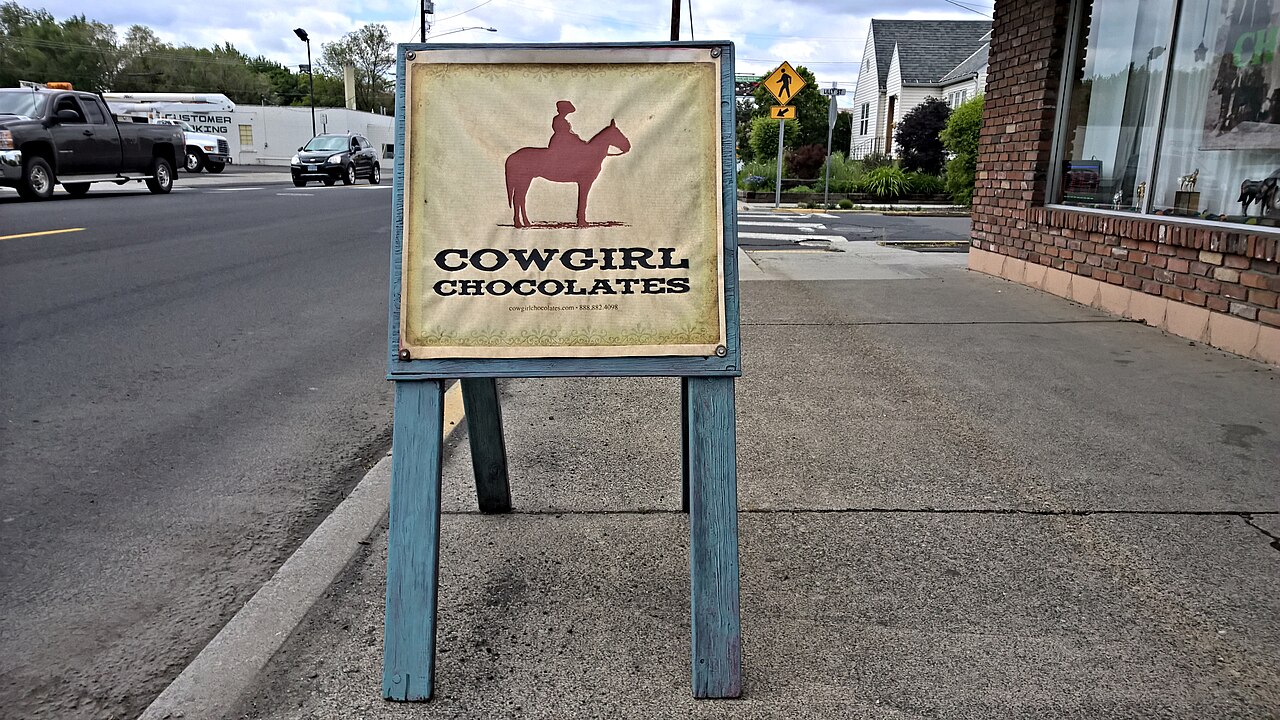
A downtown Moscow storefront
Geographic context photograph — not a crime-scene image.
Read the evidence notes
A downtown Moscow storefront. Geographic context only; this business is not Capone’s repair shop and is not implicated in the case.
Commons-provided image; no content edits. The source and reuse terms are linked below.
Jeremy Segrott from Cardiff, Wales, UK · Image source · CC BY 2.0
The Clearwater and Snake rivers at Lewiston
Geographic context photograph — not a crime-scene image.
Read the evidence notes
The Clearwater and Snake rivers at Lewiston. Regional context for the disposal account; this is not a photograph of a recovery or proof of where Rachael was left.
Commons-provided image; no content edits. The source and reuse terms are linked below.
Forest Service Northern Region from Missoula, MT, USA · Image source · Public domain
The NuArt Theater in downtown Moscow
Geographic context photograph — not a crime-scene image.
Read the evidence notes
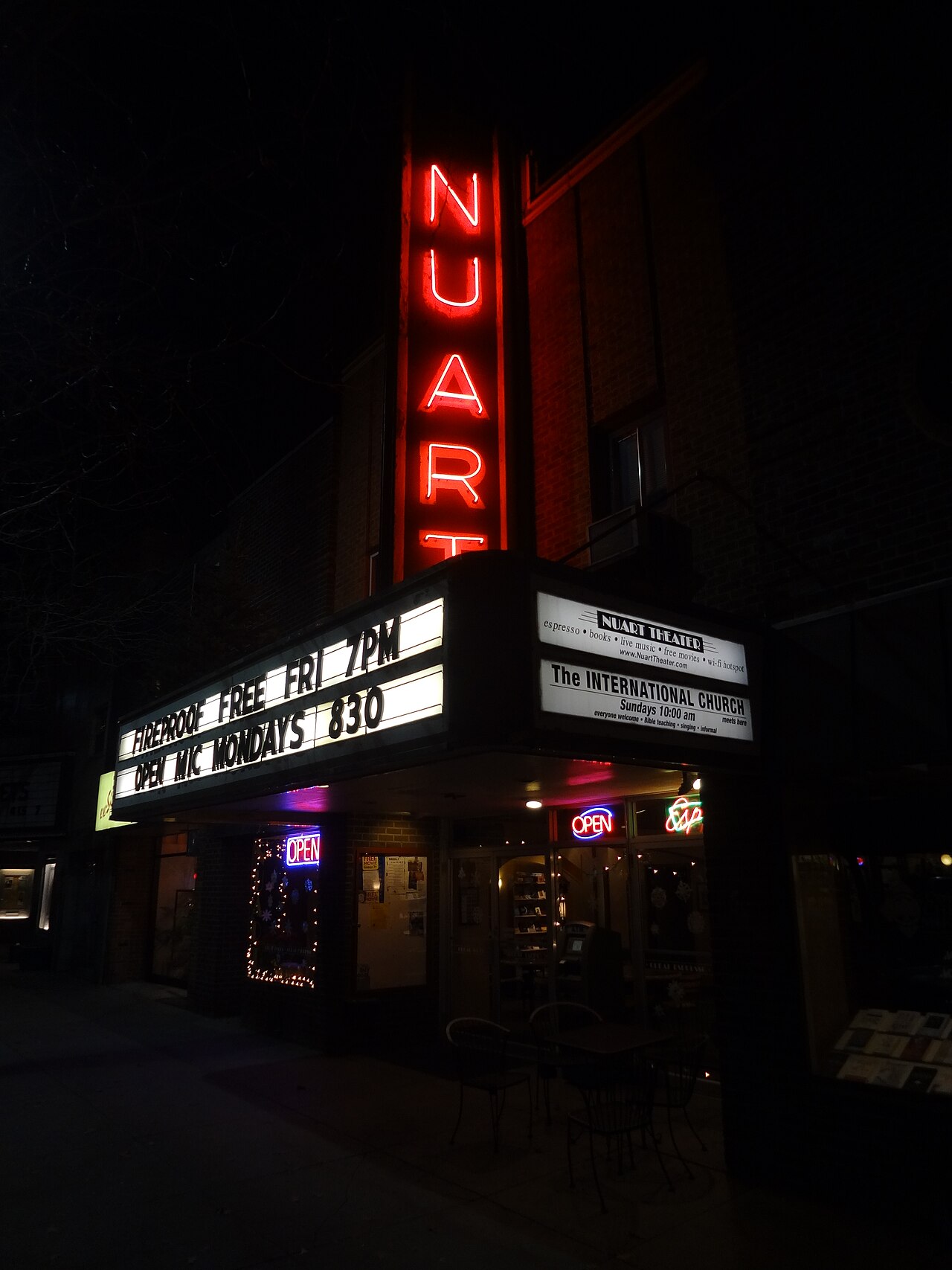
The NuArt Theater in downtown Moscow. City context only; no connection between this theater and the crime is alleged.
Commons-provided image; no content edits. The source and reuse terms are linked below.
Paul Sableman · Image source · CC BY 2.0
★ Key evidence used in a conviction · ✓ Exclusion or reversal · ◇ Disputed evidence · ⊘ Excluded at retrial · ◆ Identity / investigative finding, not a conviction. A symbol does not mean one item proved the whole case.
Follow the locations
Put the story on the map.
Follow the dated entries, then select an event to find its regional setting. Shared-location pins open a group of events. Evidence symbols identify important findings and their limitations.
Open the map in its own window ↗Sources & further reading
- State v. Capone — Idaho Supreme CourtDisappearance chronology, Stone testimony, corroboration, errors, new-trial dispute and affirmance.
- David Stone sentencing — AP report in Idaho courts’ news clipping archivePlea benefit and seven-year sentence with three-year minimum; copyrighted news report within government clipping archive.
- Capone guilty of murder — Lewiston Tribune, Kerri Sandaine, court news archiveSeptember verdict, family search and testimony identifying Red Wolf Crossing. Fewer than 200 words of article substance derived.
- Convicted murderer Charles Capone sentenced to life — KHQContemporary date and fixed life sentence plus additional term.
- Capone v. State — Idaho Court of Appeals, unpublished No. 49437 (court text mirrored by Counsel Stack)Affirmance of summary dismissal of third amended post-conviction petition; used as case history, not precedential legal authority. Original court URL https://isc.idaho.gov/opinions/49437.pdf was unavailable at final link review; this link supplies the opinion text.
Editorial review: 2026-10-06 · 1657 words