The car was back at the mall, but Kira Steger was not at work. For a clothing-store manager who ordinarily called if she could not make a shift, the unexplained absence stood out. When police found her white Chevrolet Cobalt in a Mall of America parking ramp, blood in its trunk changed the meaning of a disappearance that her husband had described as a trip to the gym. [1]
Case brief
St. Paul, Minnesota · 2013
- Recorded outcome
- Jeffery Trevino acquitted of second-degree intentional murder, convicted of second-degree felony murder and sentenced to 330 months; affirmed March 30, 2015.
Key moments
People in this case
- Kira Steger and Jeffery Trevino
Steger was the victim. Trevino was convicted of murder.
Photo at source · CBS News · labeled case photographs
The investigation assembled a timeline from fragments: a final text message, lights seen by a neighbor’s camera, gas-station footage, a taxi fare and a person walking toward the couple’s home. Family members kept searching after Jeffery Trevino’s arrest. One of those searches recovered a pillow carrying Steger’s blood weeks before her body was found. [1]
The jury eventually returned two different verdicts. It acquitted Trevino of second-degree intentional murder and convicted him of second-degree felony murder. That distinction is central to the legal outcome, not an inconvenient detail to leave out of a shorter version. [1]
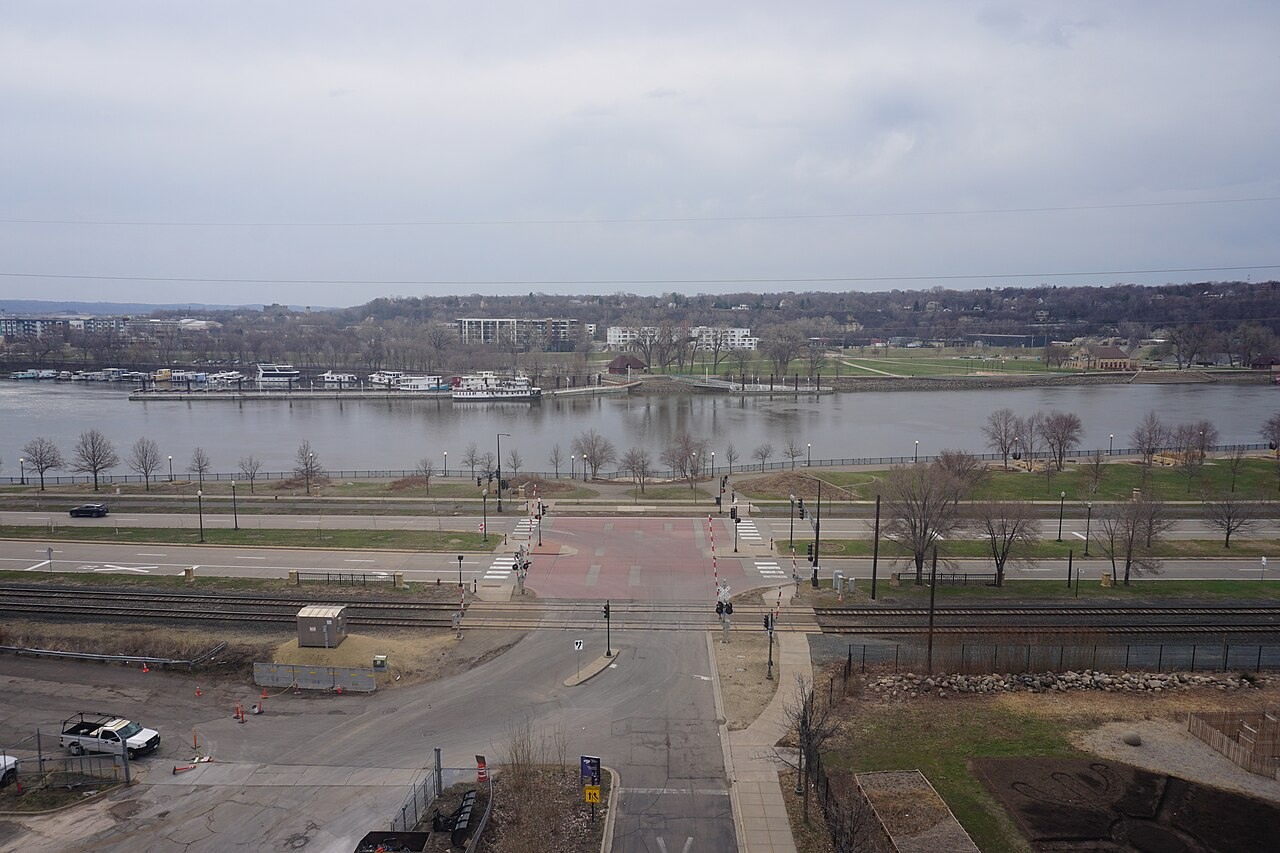
Michael Barera · Image source · CC BY-SA 4.0 · Geographic context; not authentic crime evidence. The building or landscape is public geographic context; no event is assigned to it.

An evening together during a separation
In early 2013, Steger and Trevino were discussing separation or divorce. The appellate record also describes Steger’s intimate relationship with another man. On February 21, the couple met for dinner and bowling at the Mall of America in Bloomington, where she managed a store. She exchanged messages with the other man during the evening. None of that context justified violence; it was evidence about the relationship presented in the case. [1]
They returned to their rented home in St. Paul and began watching a movie around 10 p.m. A downstairs roommate saw them together before going to bed. At 11:44 p.m., Steger sent her last known text. The time established a documented point of communication. It did not, by itself, fix the time of her death. [1]
Outside, a neighbor’s security camera recorded activity around the property. After midnight, lights came on and went off in the living area and driveway. Those images could describe movement and illumination. They could not show everything happening inside the home. [1]
The overnight movements
Around 2 a.m. on February 22, a gas-station camera recorded Trevino fueling Steger’s Cobalt. He left in the direction of Interstate 35E rather than taking the direct route home. The neighbor’s camera did not record his return, although an interior light briefly came on again around 4:15 a.m. The opinion does not supply a continuous tracked route between those observations. [1]
Shortly after 8 a.m., Trevino returned to the same station in his own vehicle, bought gas and withdrew cash. Footage showed him wearing a dark hooded sweatshirt with a white design. Later that morning, Steger’s car left the home. About half an hour afterward, a white vehicle indistinguishable from hers entered the mall’s west parking ramp. [1]
A taxi driver then picked up a thin man in a hooded sweatshirt at the mall. The passenger requested an address on East Iowa Avenue that did not exist. The driver took him to the street and let him out near the couple’s home. The fare was paid in cash. Moments later, the neighbor’s camera showed a thin person in a sweatshirt with a white design approaching the driveway. [1]
Those observations formed a circumstantial chain. The mall image alone did not positively identify the driver, and a clothing description alone did not supply a unique identity. The state argued that the records made sense together, placing Trevino with the car and explaining a return from the mall without it. [1]
The missed shift and the report
Steger did not arrive for her scheduled 2 p.m. shift on February 23. She did not call, and her phone was off when a coworker tried to reach her. Trevino spoke to some of her friends, including a police-officer friend, but did not initially ask her family about her whereabouts. On February 24, after another missed work arrival, he reported her missing and called her mother. [1]
He told police she had slept at home Thursday night and left around 9 a.m. Friday to go to the gym. Investigators learned that she had not visited the gym or used her phone since February 21. The difference between an account and the records used to test it became one of the investigation’s recurring themes. [1]
Police found the Cobalt on February 25. Mall security had ticketed it at 3:56 a.m. on February 23. The vehicle contained personal belongings and a self-help divorce form, but several important items—including her phone and identification—were missing. Blood in the trunk and on a trunk liner found nearby was identified as Steger’s. [1]
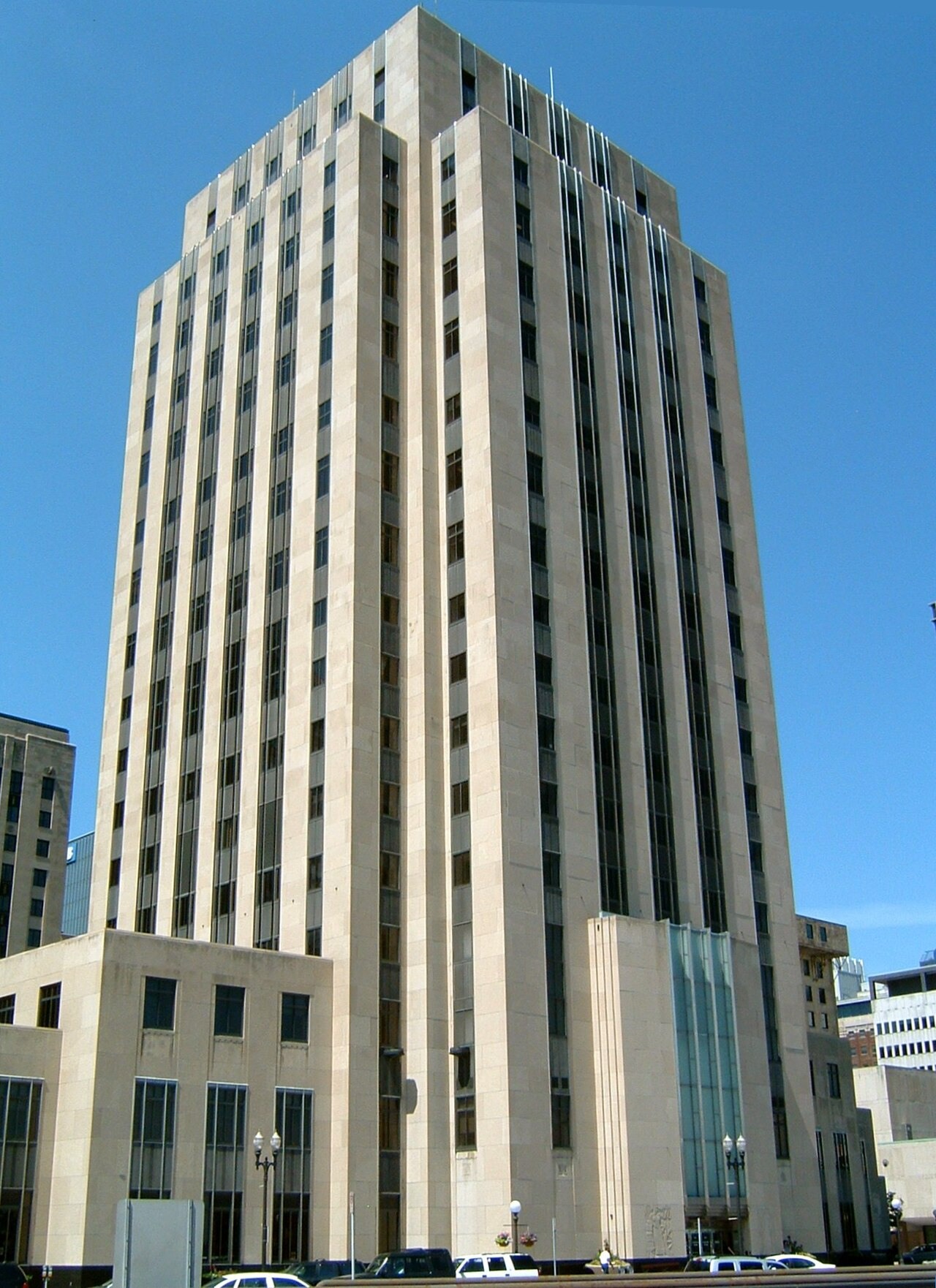
Mulad · Image source · Public domain · Geographic context; not authentic crime evidence. The building or landscape is public geographic context; no event is assigned to it.


What the home search established
The same day, investigators searched the home. They observed moved furniture and numerous apparent stains in the bedroom. Later tests confirmed relatively little blood, but several confirmed samples matched Steger’s DNA profile. That qualified result matters: an apparent stain or an initial reaction should not be rewritten as a large quantity of laboratory-confirmed blood. [1]
Police also collected clothing, including a sweatshirt Trevino had worn to dinner and a dark hooded sweatshirt resembling the one in the footage. Testing did not reveal blood on either. The negative results belong beside the positive results. Leaving them out would make the forensic picture cleaner and stronger than the opinion describes. [1]
Trevino was arrested on February 26 and charged with second-degree intentional murder and second-degree felony murder. Investigators continued working, and Steger’s relatives continued searching. The arrest did not mean that her body had already been recovered or that every factual question had been answered. [1]
A grandfather’s discovery
On March 16, Steger’s grandfather found a plastic bag in brush near Keller Lake in Maplewood. It contained bloody clothing and a pillow. Testing matched the pillow’s blood to Steger’s DNA profile. The discovery supplied another physical link in the case while her family still did not know where her body was. [1]
Her driver’s license was found later that month within a few miles of the home. On May 8, her body was recovered from the Mississippi River near a St. Paul dock. Dental records established the identification. The map uses regional points for these events rather than implying that a city-center marker pinpoints a recovery location. [1]
The medical examiner identified traumatic injuries that preceded and contributed to death, but could not determine their order. His interpretation included an assault and possible smothering. Decomposition and time in the water constrained the examination. It would be inaccurate to use the findings as though they supplied a filmed sequence of the killing. [1]
The examiner also considered stomach contents alongside the timing and composition of the couple’s dinner. The opinion discusses the substantial variability in digestion. That evidence informed the medical assessment; it was not a clock capable of identifying an exact minute of death. [1]
Two charges and two outcomes
After a nine-day trial, the jury acquitted Trevino of second-degree intentional murder. It found him guilty of second-degree felony murder, based on the underlying assault. A retelling that says simply that jurors convicted him of intentionally murdering his wife would misstate the verdict. [1]
The state sought an aggravated sentence, arguing that concealment of Steger’s body to avoid detection had caused extreme anguish to her family. The trial court imposed 330 months, or twenty-seven and a half years. The appellate record describes Trevino’s sentencing stipulations and his argument that concealment alone was insufficient to justify the departure. [1]
Contemporary KARE 11 reporting carried by MPR places sentencing on November 25, 2013. It records sharply different requests: the defense sought ten and a half years, while prosecutors sought thirty. Members of Steger’s family addressed the court. That reporting supplies a date and a view of the hearing distinct from the later appellate analysis. [3]
The appeal also distinguished instructions given to a trial jury from standards judges use when reviewing circumstantial evidence afterward. Trevino had requested additional wording about excluding rational alternatives. The appellate court concluded that the instructions, including the reasonable-doubt instruction, adequately stated the law applicable to the trial. Its rejection of that claim was not a declaration that circumstantial evidence never needs careful scrutiny. [1]
On March 30, 2015, the Court of Appeals affirmed both the conviction and sentence. It rejected challenges concerning the circumstantial-evidence instruction, the sufficiency of the evidence, use of third-degree assault as the underlying felony and the aggravated sentence. Its decision evaluated the circumstances together, rather than treating one camera image or one laboratory sample as the whole prosecution. [1][2]

Tony Webster from Minneapolis, Minnesota, United States · Image source · CC BY 2.0 · Geographic context; not authentic crime evidence. The building or landscape is public geographic context; no event is assigned to it.

The record behind the reconstruction
This investigation is compelling because ordinary records acquired meaning in combination. A gas purchase placed Trevino with the car overnight. A parking ticket showed the car had remained at the mall. The taxi account offered an explanation for returning without it. Blood evidence and the later recovery of the pillow supplied physical findings beyond those movements. [1]
The same record contains limits: an indistinguishable car, a passenger described rather than conclusively identified in that observation, clothing without detected blood and uncertain injury order. A careful reconstruction keeps those limits in view while explaining why the jury and appellate court found the felony-murder case proved. [1]
For Steger’s family, the missing weeks included their own search and an important discovery before the river recovery. The resulting judgment answered criminal responsibility under the felony-murder count. It did not transform every inference in the timeline into a directly witnessed event, and it did not erase the acquittal returned alongside the conviction.
Look closer · 9 visuals
Inside the evidence.
Open a visual to explore what it contributed to the case—and the limits of what it shows. Photographs, historical reproductions and original illustrations are individually labeled. Open the notes for each image’s source, credit, and limitations; setting photographs do not depict crime scenes.
A night reconstructed in fragments
Original editorial illustration — not an actual evidence photograph or exhibit.
Read the evidence notes
Different records supplied different parts of the timeline.
No camera recorded the fatal assault.
The car’s separate evidence trail
Original editorial illustration — not an actual evidence photograph or exhibit.
Read the evidence notes
The vehicle contained physical evidence distinct from eyewitness inferences.
The mall image alone did not identify the driver.
What a blood test can establish
Original editorial illustration — not an actual evidence photograph or exhibit.
Read the evidence notes
The opinion distinguishes apparent stains from confirmed blood and negative clothing results.
Do not turn every initial reaction into confirmed blood.
A family search adds evidence
Original editorial illustration — not an actual evidence photograph or exhibit.
Read the evidence notes
The March recovery supplied evidence before the body was located.
Illustration, not the actual bag, pillow or blood.
Two charges, two verdicts
Original editorial illustration — not an actual evidence photograph or exhibit.
Read the evidence notes
The jury convicted on the assault-based felony-murder count.
The intentional-murder acquittal must remain visible.
Identification versus injury timing
Original editorial illustration — not an actual evidence photograph or exhibit.
Read the evidence notes
Dental records identified the recovered body; the examiner could not order all injuries.
No precise death minute or injury reconstruction is supplied.
The Mississippi River in St. Paul
Context photograph — not an actual crime exhibit. The building or landscape is public geographic context; no event is assigned to it.
Read the evidence notes
The Mississippi River in St. Paul. Geographic context photograph; not a crime-scene photograph or an original evidence exhibit. The building or landscape is public geographic context; no event is assigned to it.
Geographic context; not authentic crime evidence. The building or landscape is public geographic context; no event is assigned to it. The source and reuse terms are linked below.
Michael Barera · Image source · CC BY-SA 4.0
St. Paul City Hall and Ramsey County Courthouse
Context photograph — not an actual crime exhibit. The building or landscape is public geographic context; no event is assigned to it.
Read the evidence notes
St. Paul City Hall and Ramsey County Courthouse. Geographic context photograph; not a crime-scene photograph or an original evidence exhibit. The building or landscape is public geographic context; no event is assigned to it.
Geographic context; not authentic crime evidence. The building or landscape is public geographic context; no event is assigned to it. The source and reuse terms are linked below.
Mulad · Image source · Public domain
A public Mississippi River overlook in St. Paul
Context photograph — not an actual crime exhibit. The building or landscape is public geographic context; no event is assigned to it.
Read the evidence notes
A public Mississippi River overlook in St. Paul. Geographic context photograph; not a crime-scene photograph or an original evidence exhibit. The building or landscape is public geographic context; no event is assigned to it.
Geographic context; not authentic crime evidence. The building or landscape is public geographic context; no event is assigned to it. The source and reuse terms are linked below.
Tony Webster from Minneapolis, Minnesota, United States · Image source · CC BY 2.0
★ Key evidence used in a conviction · ✓ Exclusion or reversal · ◇ Disputed evidence · ⊘ Excluded at retrial · ◆ Identity / investigative finding, not a conviction. A symbol does not mean one item proved the whole case.
Follow the locations
Put the story on the map.
Follow the dated entries, then select an event to find its regional setting. Shared-location pins open a group of events. Evidence symbols identify important findings and their limitations.
Open the map in its own window ↗Sources & further reading
- State v. Trevino — Minnesota Court of AppealsChronology, cameras, mall car, searches, forensic limits, acquittal and felony-murder conviction, 330-month sentence and affirmance.
- State v. Trevino — filed government opinion PDFParallel version of the same opinion, used for record cross-check; not independent corroboration.
- Jeffery Trevino sentenced — Lindsey Seavert, KARE 11 / MPR NewsContemporary sentencing date, competing requested sentences and family testimony; fewer than 200 derived words.
Editorial review: 2026-10-14 · 1573 words