The law firm was real. Its lawyers did real work, and its attorney trust account could receive real money. The debt Marc Dreier offered investors was another matter. He sold fictitious promissory notes, supported them with false documents and used impersonation to make invented transactions appear to carry the approval of established organizations. [1]
Case brief
Manhattan, New York · 2004–2008
- Recorded outcome
- Dreier pleaded guilty to eight counts May 11, 2009 and was sentenced July 13, 2009 to twenty years plus restitution and forfeiture. Historical disposition only.
Key moments
People in this case
- Marc Dreier
Pleaded guilty in the false-notes scheme
Photo at source · Getty Images · editorial photo archive
The scheme collected more than $700 million in note-sale receipts, according to federal authorities. Some principal and interest was paid back, but the eventual out-of-pocket losses were approximately $400 million. Client money was diverted as well. The difference between those figures is part of understanding the crime, rather than a choice between competing headline totals. [1][2]
Dreier pleaded guilty to eight federal counts and received a twenty-year sentence in 2009. The later recovery process moved through criminal forfeiture, restitution, receivership and bankruptcy. That aftermath showed how difficult it could be to turn enormous paper obligations into money actually returned to victims. [2][3]

Percival Kestreltail · Image source · CC BY-SA 3.0 · Geographic context; not authentic crime evidence. The building or landscape is public geographic context; no event is assigned to it.

Credibility borrowed from a genuine profession
Dreier founded and managed Dreier LLP, a substantial firm with its principal office in New York and other offices, including Los Angeles. The Justice Department’s releases describe a firm and affiliates employing hundreds of lawyers. This was not simply a fictitious business name attached to an empty account. [1][2]
That genuine infrastructure supplied the setting for the fraud. Prospective buyers encountered a prominent lawyer presenting what appeared to be financial obligations of other organizations. The alleged issuers were real entities, but the notes offered in their names were false. Their names and reputations were being used; they should not be described as willing participants merely because the scheme invoked them. [1]
The May 2009 plea release described the note scheme as extending from approximately 2004 to December 2008. The July sentencing release used an earlier starting point for the broader conspiracy. This account concentrates on the documented 2004–2008 transactions instead of silently treating those different summaries as identical calendars. [1][2]
The obligation on the page
A promissory note represents a promise to repay. In Dreier’s scheme, the central deception was that the represented obligation had not genuinely been issued by the organization whose name appeared to support it. Investors were not merely taking a risk on a legitimate borrower that later failed; they were being sold an invented instrument. [1]
Federal authorities described several variations. Notes were purportedly issued by a New York real-estate developer, a Canadian pension plan or a Canadian company, with supposed guarantees involving the Canadian entities. The precise legal form varied, but the basic problem was the same: the offered transaction lacked the authentic authorization being represented to buyers. [1]
Dreier supplied false financial statements, assignments and guarantees. Each kind of document could appear to answer a different practical question—whether an issuer had resources, who held rights to an obligation, or who stood behind repayment. The documents worked together to give an invented debt the surrounding structure of a real transaction. [1]
Those functions can be explained without reproducing a fake note or inventing a signature. The evidence illustrations show the relationship among documents, people and money. They are explanatory diagrams, not scans of forged instruments from the prosecution.
People supplied the apparent confirmation
Paper was only part of the deception. The plea release describes Dreier impersonating representatives of purported issuers or sellers and arranging for others to impersonate them. The contacts took place through calls, email exchanges and meetings. He also gained unauthorized access to premises associated with a New York developer and a Canadian pension plan. [1]
That combination made the scheme more than a misleading spreadsheet. A buyer asking for confirmation could encounter someone presented as an independent representative of the supposed transaction. Yet the apparent confirmation was another part of the same false arrangement. The person and the paper could seem to verify one another without either supplying genuine authorization. [1]
The reviewed releases do not provide a reliable date and exact location for every impersonation. No continuous itinerary or particular Canadian office encounter is reconstructed here. The map identifies the New York case context and clearly notes when a source discusses conduct elsewhere without supplying enough detail for an event-site marker. [1]
The trust account and the diverted funds
Investors were instructed to send money to a Dreier LLP attorney trust account. From there, Dreier disbursed funds both for his own benefit and to keep the operation going. A professional account supplied a channel for payment. Its title did not authenticate the notes being sold. [1]
The fraud also reached money held for existing clients. The Justice Department described misappropriation of escrowed funds and money obtained through a client’s lawsuit settlement. The sentencing release placed diverted client funds at more than $46 million. Those losses extended beyond the people who chose to buy the false notes. [1][2]
Some principal and interest on the notes was repaid. That fact explains why receipts and ultimate losses were different. It does not establish that the underlying obligations were genuine. Payments could prolong confidence in the operation while buyers still held instruments that lacked the authorization represented to them. [1][2]
The account therefore needs both flows: money coming in and money paid out. Reporting gross receipts as though every dollar remained an unrecovered loss would overstate one measure. Reporting repayments as proof that the transaction was legitimate would misunderstand the deception. The federal releases expressly distinguished the amounts. [1][2]
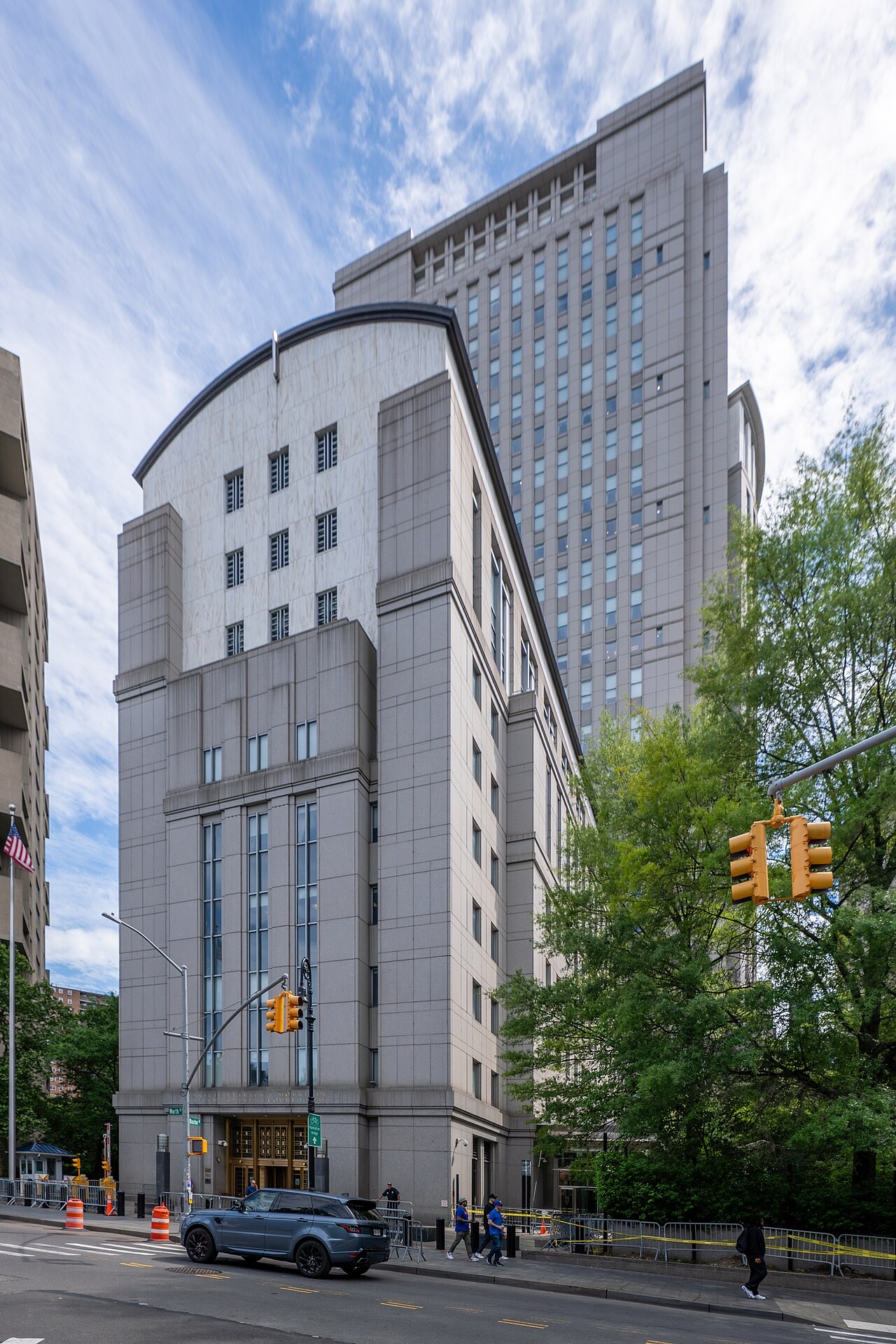
83136374@N05 · Image source · CC BY 4.0 · Geographic context; not authentic crime evidence. The building or landscape is public geographic context; no event is assigned to it.

The firm enters the recovery process
On December 8, 2008, the SEC filed a civil action. A receiver was appointed to oversee Dreier LLP and related assets. The SEC’s later status report explains that the receiver identified and secured assets for victims and firm creditors. The firm entered Chapter 11 bankruptcy on December 16. [3]
A separate involuntary Chapter 7 petition concerning Dreier’s personal assets followed on January 26, 2009. These proceedings concerned collecting, liquidating and distributing property. They were not additional criminal jury verdicts. Their existence also did not mean that all losses could be made good merely because a large forfeiture demand had been entered. [3]
On May 8, a civil consent judgment enjoined further violations and addressed monetary relief to be determined through later proceedings. Three days later came the criminal guilty pleas. The neighboring dates should not obscure the distinction between consenting to a civil judgment and pleading guilty to federal offenses. [1][3]
Eight guilty pleas, without a plea agreement
On May 11, 2009, Dreier pleaded guilty to all eight counts in the superseding indictment. They included conspiracy to commit securities and wire fraud, securities fraud, five wire-fraud counts and money laundering. The government’s release specifically stated that there was no plea agreement. A guilty plea does not always follow a negotiated agreement fixing the outcome. [1]
On July 13, Judge Jed Rakoff imposed twenty years in prison and three years of supervised release. The court also ordered $387,675,303.32 in restitution and $746,460,000 in forfeiture. These were imposed obligations described at sentencing, not a statement that those sums were sitting in an account ready to distribute. [2]
The more than $700 million in note receipts, approximately $400 million in reported out-of-pocket losses, exact restitution amount and exact forfeiture amount measure different things. They overlap and must not be added together to produce a larger supposed loss. The forfeiture figure included proceeds from note sales and diverted client money. [2][3]
The releases also describe property pursued through forfeiture, including real estate, vehicles and works of art. An order reaching an asset and an eventual distribution from that asset are different events. Establishing that property represented proceeds could supply a recovery source, but its sale value and competing claims still mattered. Those practical limits help explain why the later SEC report discussed recoveries separately from the original monetary orders. [1][2][3]
What recovery looked like later
In March 2013, the SEC reported that the government had distributed $55 million to victims through the criminal proceeding, aided by the receiver’s asset work. It also described funds held by bankruptcy trustees and continuing efforts involving claims and possible distributions. Money held by a trustee was not the same as money already delivered to a victim. [3]
The SEC said it would forgo its remaining monetary claims because assets were already being dealt with through forfeiture and bankruptcy, and the criminal case had imposed substantial restitution and forfeiture obligations. That decision was not a finding that the fraud had been harmless or that the criminal judgment had vanished. It concerned additional civil remedies in an existing recovery process. [3]
The figures in that report are a historical snapshot. They are not a current accounting of final recoveries, prison status or supervision. A present-day total would require later records rather than an assumption based on the original sentence or a trustee’s reported balance in 2013.
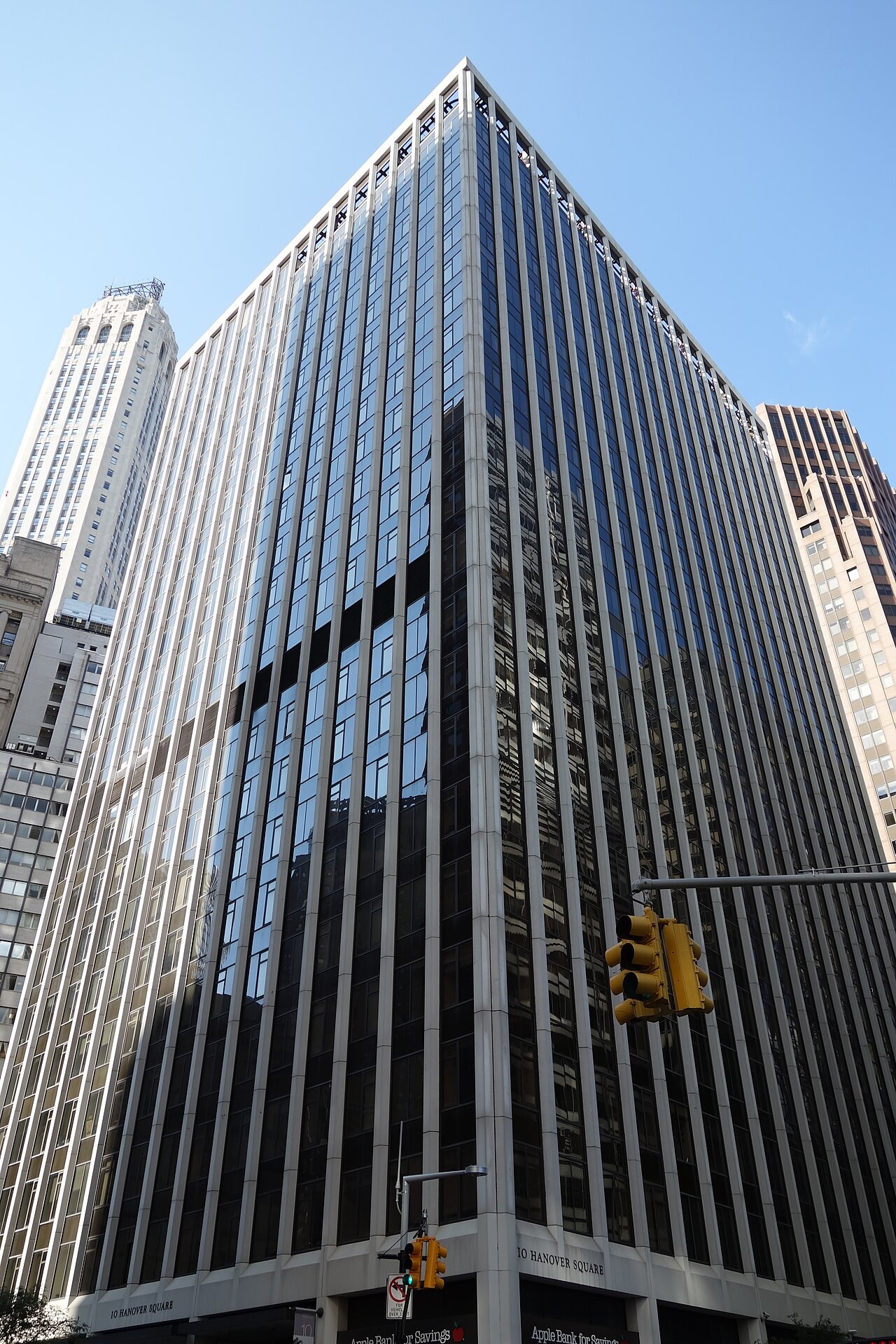
Tdorante10 · Image source · CC BY-SA 4.0 · Geographic context; not authentic crime evidence. The building or landscape is public geographic context; no event is assigned to it.

The transaction behind the reputation
Dreier’s case shows why the real and false elements must be separated carefully. The firm, accounts and professional standing existed. The notes’ represented authorization did not. Documents and impersonation supplied apparent confirmation, while genuine banking channels moved the proceeds. [1]
For victims, the later task was to trace those proceeds and compete with other lawful claims in the recovery process. The criminal sentence addressed responsibility; restitution and asset proceedings addressed a different, practical problem. The promise to repay had been fiction when sold to investors. After the fraud collapsed, recovering actual money required records, property and years of further proceedings. [2][3]
Look closer · 9 visuals
Inside the evidence.
Open a visual to explore what it contributed to the case—and the limits of what it shows. Photographs, historical reproductions and original illustrations are individually labeled. Open the notes for each image’s source, credit, and limitations; setting photographs do not depict crime scenes.
A real firm, an invented obligation
Original editorial illustration — not an actual evidence photograph or exhibit.
Read the evidence notes
The fraud borrowed credibility from institutions and professional access.
The real organizations are not accused of issuing the false notes.
The paper and the impersonation
Original editorial illustration — not an actual evidence photograph or exhibit.
Read the evidence notes
Documents and impersonation worked together to make a nonexistent transaction seem real.
No forged signature, email or actual false note is recreated.
The trust account was a conduit
Original editorial illustration — not an actual evidence photograph or exhibit.
Read the evidence notes
Money moved through a professional account despite the underlying fiction.
A trust-account label does not authenticate an instrument.
Repayments do not prove a real note
Original editorial illustration — not an actual evidence photograph or exhibit.
Read the evidence notes
The DOJ distinguished gross receipts from net out-of-pocket losses.
An illustration of cash flow is not a complete forensic ledger.
Four amounts with four meanings
Original editorial illustration — not an actual evidence photograph or exhibit.
Read the evidence notes
Restitution and forfeiture used other exact amounts specified in the article.
Do not add these overlapping measures together.
Civil and criminal proceedings
Original editorial illustration — not an actual evidence photograph or exhibit.
Read the evidence notes
The SEC action and criminal prosecution had separate orders and remedies.
A 2013 status report does not certify current custody or recovery totals.
Lower Manhattan viewed from Liberty Island
Context photograph — not an actual crime exhibit. The building or landscape is public geographic context; no event is assigned to it.
Read the evidence notes
Lower Manhattan viewed from Liberty Island. Geographic context photograph; not a crime-scene photograph or an original evidence exhibit. The building or landscape is public geographic context; no event is assigned to it.
Geographic context; not authentic crime evidence. The building or landscape is public geographic context; no event is assigned to it. The source and reuse terms are linked below.
Percival Kestreltail · Image source · CC BY-SA 3.0
Daniel Patrick Moynihan United States Courthouse in Manhattan
Context photograph — not an actual crime exhibit. The building or landscape is public geographic context; no event is assigned to it.
Read the evidence notes
Daniel Patrick Moynihan United States Courthouse in Manhattan. Geographic context photograph; not a crime-scene photograph or an original evidence exhibit. The building or landscape is public geographic context; no event is assigned to it.
Geographic context; not authentic crime evidence. The building or landscape is public geographic context; no event is assigned to it. The source and reuse terms are linked below.
83136374@N05 · Image source · CC BY 4.0
Water Street and Hanover Square in Manhattan’s Financial District
Context photograph — not an actual crime exhibit. The building or landscape is public geographic context; no event is assigned to it.
Read the evidence notes
Water Street and Hanover Square in Manhattan’s Financial District. Geographic context photograph; not a crime-scene photograph or an original evidence exhibit. The building or landscape is public geographic context; no event is assigned to it.
Geographic context; not authentic crime evidence. The building or landscape is public geographic context; no event is assigned to it. The source and reuse terms are linked below.
Tdorante10 · Image source · CC BY-SA 4.0
★ Key evidence used in a conviction · ✓ Exclusion or reversal · ◇ Disputed evidence · ⊘ Excluded at retrial · ◆ Identity / investigative finding, not a conviction. A symbol does not mean one item proved the whole case.
Follow the locations
Put the story on the map.
Follow the dated entries, then select an event to find its regional setting. Shared-location pins open a group of events. Evidence symbols identify important findings and their limitations.
Open the map in its own window ↗Sources & further reading
- Marc Dreier pleads guilty — U.S. Attorney, Southern District of New YorkEight guilty pleas, fictional instruments, false documents, impersonation, unauthorized premises access, trust accounts and no plea agreement.
- Marc Dreier sentenced — U.S. Attorney, Southern District of New YorkTwenty-year sentence, three-year supervision term, receipts, losses, diverted client funds, exact restitution and forfeiture orders.
- SEC v. Dreier — plaintiff’s status reportCivil complaint, receivership, bankruptcy, consent judgment, historical recoveries and SEC decision to forgo additional monetary claims.
Editorial review: 2026-10-14 · 1555 words