Before Noreen Boyle disappeared, her husband wanted to know what lay beneath the basement floor of a house in another state. The question went to a real-estate agent on December 4, 1989. John Boyle was buying a home in Erie, Pennsylvania, and preparing to move his medical practice there from Mansfield, Ohio. He said he might make alterations. [1]
Case brief
Mansfield / Erie, Pennsylvania, Ohio · 1989–1990
- Recorded outcome
- John Boyle convicted in 1990; federal habeas denial affirmed in 1994 and sentencing-entry challenge rejected in 2020. Death reported April 2026.
Key moments
People in this case
- Noreen Boyle
Murder victim
Photo at source · Mansfield/Richland County Public Library · Sherman Room local history
Seven weeks later, officers from both states found Noreen beneath that floor. Between the question and the discovery lay a rented jackhammer, a child's account of sounds in the night, a purchase of green carpet, and new shelving. Taken separately, some of those details could have belonged to an ordinary move. Put in order, they became the case against the man arranging it. [1]
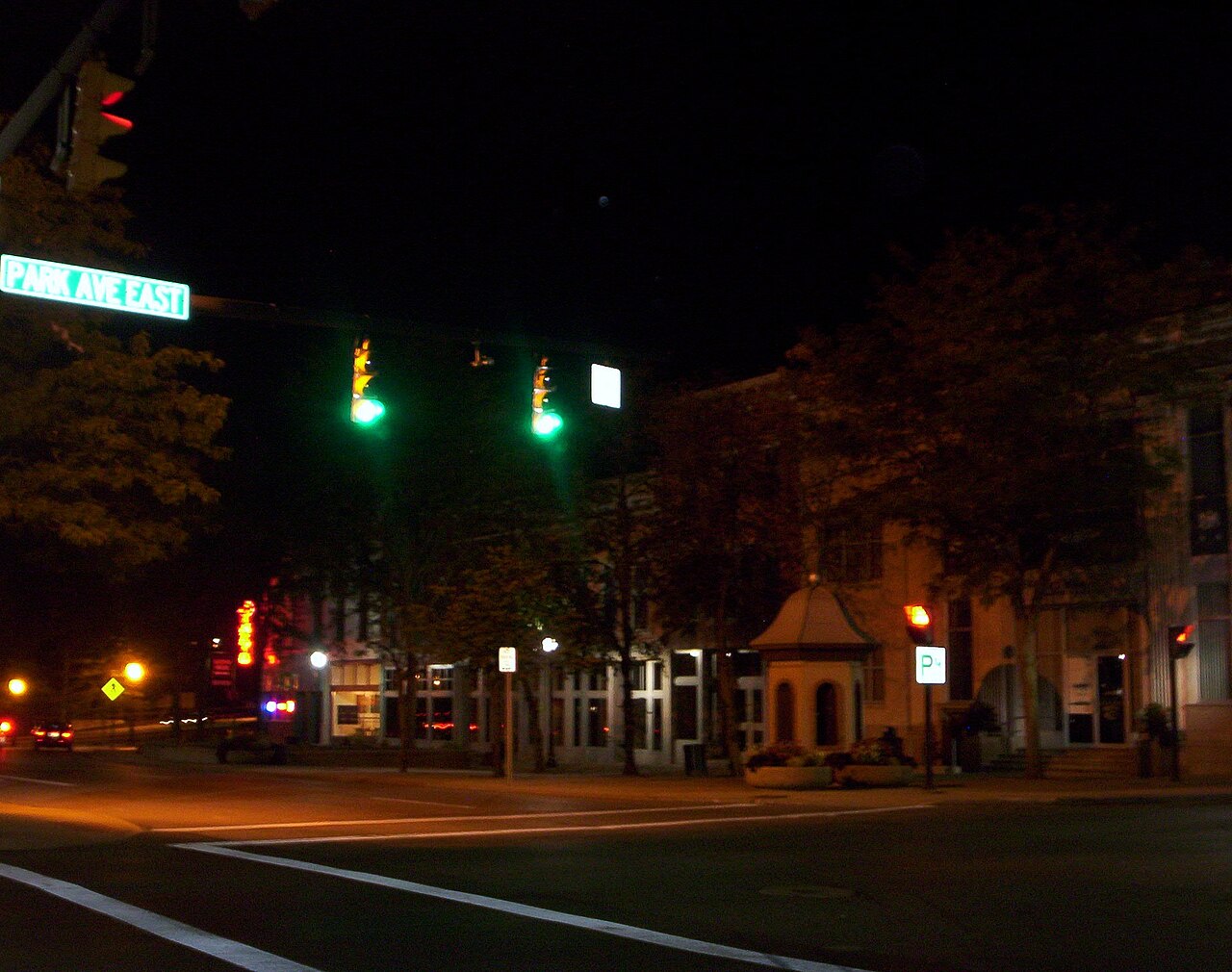
User:OHWiki · Image source · CC0 · Commons-provided image; no content edits.

Two versions of the family's future
In December 1989, John and Noreen were in divorce proceedings. They were negotiating a substantial financial settlement involving property and alimony. Their dispute also extended to their children: John was seeking to invalidate Noreen's adoption of their daughter, Elizabeth. The couple also had a son, Collier. The family was dealing with the possible separation of its money, home, and legal relationships at the same time. [1]
John, a physician, was already making plans in Pennsylvania. His pregnant girlfriend helped with the Erie house purchase, and he represented her as his wife. He insisted on taking possession by January 1, 1990. In the new city, he was presenting one family arrangement while still disputing the terms of another in Ohio. [1]
The affair and divorce gave prosecutors a context for the killing, but neither established it by itself. The stronger question was whether John's preparations for the new house could be connected to Noreen's disappearance. That question brought investigators back to dates, purchases, and people whose contact with him had initially seemed routine. [1]
On December 19, he arranged to rent an electric jackhammer for the weekend of December 29. That reservation preceded the night Collier would describe. It also followed John's inquiry about the basement floor. The sequence mattered because it put his interest in altering the floor before his wife vanished, rather than making every change look like an innocent project begun afterward. [1]
The explanation given to a child
Early on December 31, Collier was awakened at the Mansfield home by a scream and two thuds. His father later told him that Noreen had gone on vacation. Collier could report what he heard and what John said. He had not watched a killing take place, and his evidence did not supply a complete reconstruction of events inside the house. [1]
It nevertheless created a sharp conflict between the sounds of that night and the explanation offered afterward. A child was being asked to accept his mother's absence as a trip. Investigators would eventually have to test that explanation against what adults had observed in two states. The case did not depend on turning Collier into an eyewitness to something he had not seen. [1]
John went to Erie the following day. On January 2 or 3, he was seen at the home of his girlfriend's uncle. Police later found concrete from the Erie house on the uncle's property. The court's account gives a two-day range for the visit; it does not establish a precise hour or a complete travel itinerary. What mattered was the connection between debris removed from the new house and another place John had visited. [1]
That link made the basement alterations more than a subject of conversation. Material from the floor had moved. Investigators could compare the physical result with the earlier inquiry and equipment reservation, then ask why those steps surrounded the disappearance of the buyer's wife. [1]
Carpet, shelving, and winter air
On January 4, John bought green indoor-outdoor carpet. It was similar to the carpet later found covering the concrete above Noreen's grave. Similarity is the important word: the appellate opinion does not describe a uniquely identifying laboratory match that proved this exact purchase supplied the material over the burial site. The purchase belonged to a larger pattern. [1]
Four days later, he arranged for shelving to be built over that part of the basement. The contractor noticed that the windows were open despite the cold outside. A workman entering to install shelves was not being shown a grave. His account preserved the condition of the room at a particular stage in its transformation. [1]
The floor, carpet, and shelving created layers that could make the space look settled. The evidence also left investigators with a chronology of who had access to it and when. A real-estate agent could speak to an earlier question; rental records to the planned equipment use; a contractor to a later room arrangement. Those independent encounters gave the prosecution points against which to test John's account. [1]
On January 25, Ohio and Pennsylvania officers recovered Noreen's body from beneath the basement floor. The discovery ended the possibility that her absence was simply the vacation John had described. The coroner attributed her death to suffocation and blunt-force injury. The house being prepared for a new life had concealed the victim of the old marriage. [1]
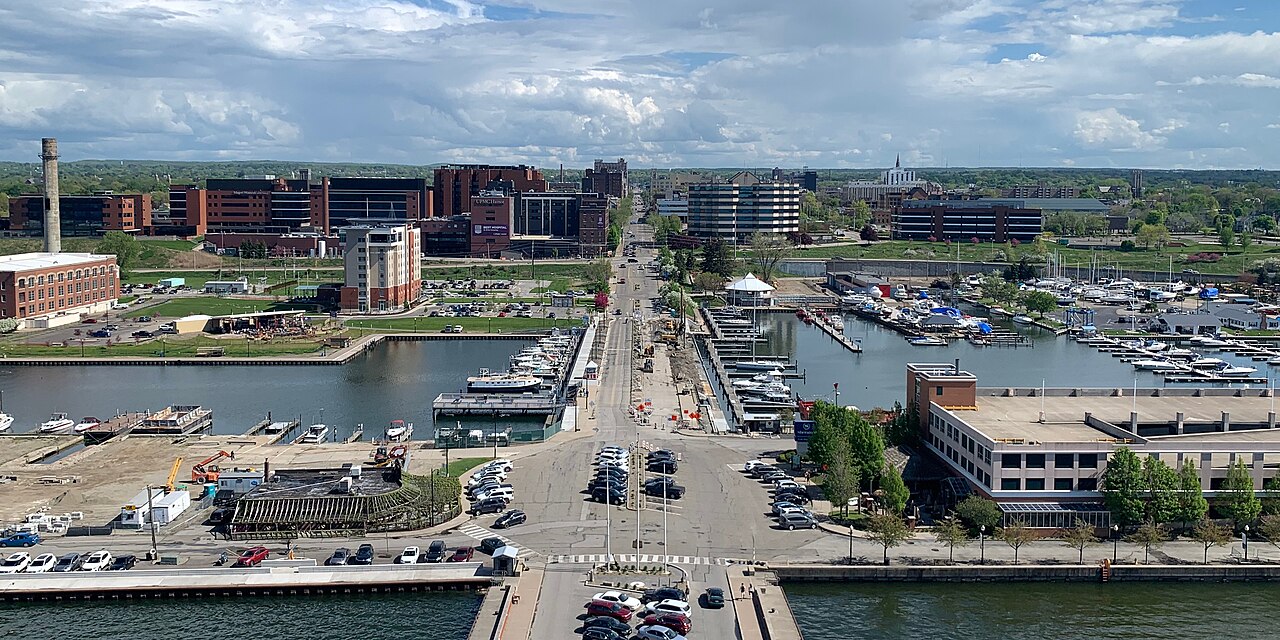
User:Cards84664 · Image source · CC BY-SA 4.0 · Commons-provided image; no content edits.

Establishing who had been found
John would later challenge whether the body had been sufficiently identified as Noreen's. The prosecution's evidence did not rest on a visual recognition alone. Dr. Michael Sobol compared twenty-five teeth with Noreen's dental records and testified that the correspondence established her identity. A Rolex watch identified as hers and the location of the recovery supplied additional context. [1]
The dental comparison answered a different question from the carpet purchase. It identified the person found; the carpet and other surrounding evidence helped explain the defendant's connection to the burial. Treating every item as if it performed the same job would flatten a case built from several kinds of proof. [1]
The absence of evidence of forced entry into the Erie home also mattered to the prosecution. John had arranged the purchase and possession of the house. The defense explanation would have to account for an unidentified person entering it, undertaking substantial work in the basement, concealing Noreen, and restoring the coverings without leaving the kind of intrusion evidence investigators expected. [1]
No single detail supplied a recording of the crime. The case instead asked whether the combination of preparations, access, physical recovery, and testimony permitted a finding of guilt beyond a reasonable doubt. Jurors answered that question after hearing John give his own account. [1]
The explanation the jury rejected
At trial, John denied murdering his wife. He said someone else must have killed her and buried her beneath the Erie basement. His account required that person to remove carpet and shelves, break the concrete, dig the grave, cover it again, replace the room's contents, and take away the debris. That was his defense position, not an alternative event sequence independently established by investigators. [1]
The jury convicted him of aggravated murder and felony abuse of a corpse. His sentence was life imprisonment with parole eligibility only after twenty full years on the murder count, plus a consecutive eighteen months for the other offense. Eligibility was a threshold for consideration, not a promise of release when the minimum time elapsed. [1][2]
The conviction did not end the litigation. John challenged the strength of the evidence, the handling of the body, the prosecutor's conduct, and his own lawyer's performance. These challenges required courts to consider not only what the evidence showed but whether the trial process had fairly presented it. [1]
An appeal that acknowledged misconduct
In June 1994, the Sixth Circuit upheld the denial of federal habeas relief. It found the evidence sufficient under the applicable review standard, including the dental identification. It also rejected John's argument that the refusal to permit a separate defense examination of the body required relief. His lawyer had thoroughly cross-examined the coroner, and the court found no evidence that the state had arranged burial in bad faith to obstruct the defense. [1]
The panel did not, however, approve everything the prosecutor had done. It described improper character evidence and improper vouching for Collier's credibility, along with unprofessional name-calling in closing argument. That part of the decision matters: an affirmed conviction does not mean every complaint about the prosecution was imaginary. [1]
The court concluded that the misconduct had not substantially affected the verdict, given the other evidence. Much of the disputed character testimony repeated matters John had already acknowledged while testifying. The judges also determined that his lawyer's failure to object did not create a reasonable probability of a different outcome. The distinction was between identifying errors and finding errors serious enough to justify relief. [1]
Nearly three decades after the original sentencing, another dispute focused on the wording of the judgment. A July 2, 1990 entry had been corrected the next day. John argued that the later wording amounted to an improper change made in his absence. In March 2020, an Ohio appellate court rejected that argument. [2]
The court explained that the correction accurately recorded the sentence imposed in open court. It clarified the twenty full years required on the murder count, with the additional term consecutive to it. This was a dispute about recording the existing sentence, not a new murder trial or a finding that the original conviction had been overturned. [2]
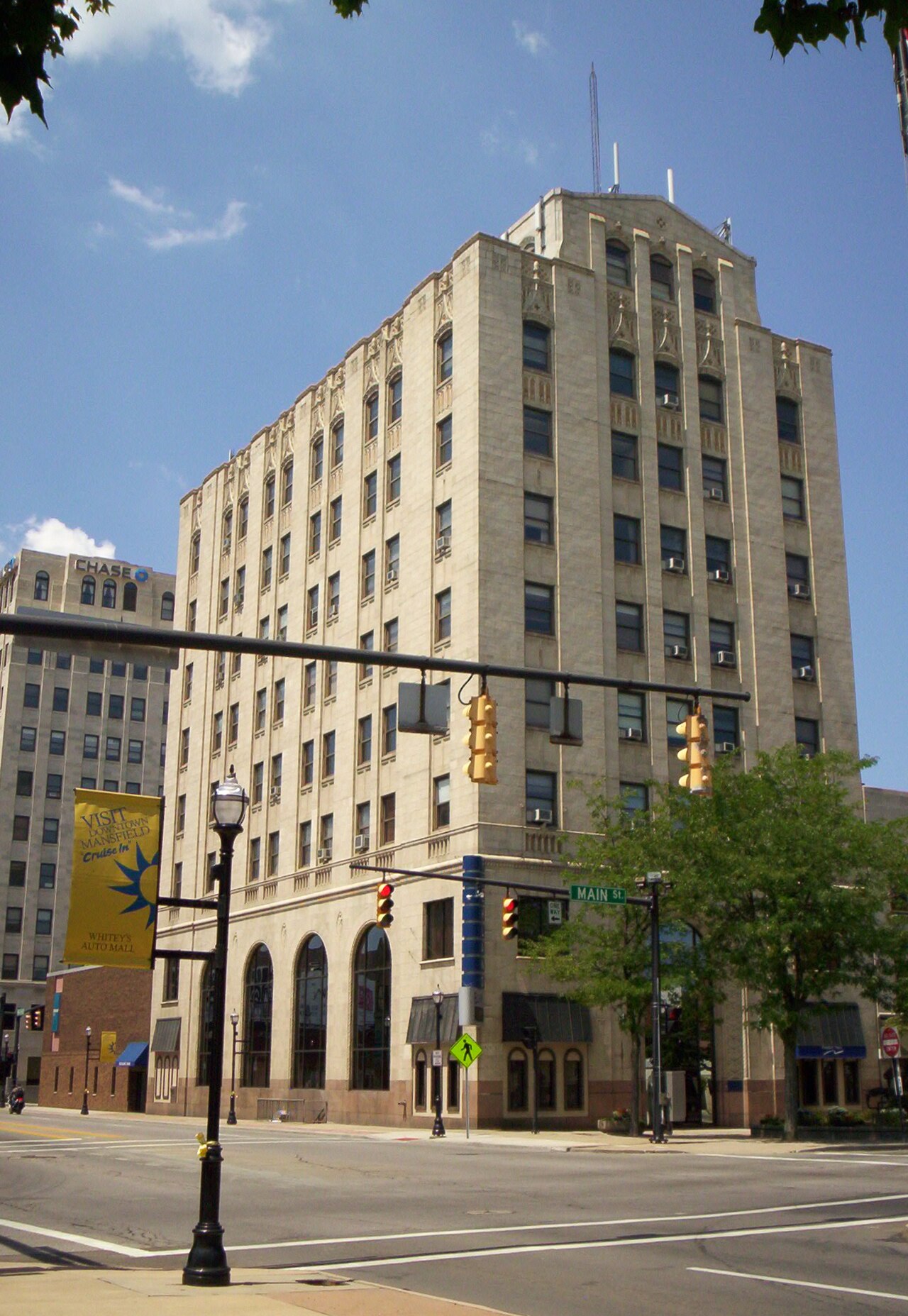
User:OHWiki · Image source · CC0 · Commons-provided image; no content edits.

What the timeline leaves behind
Local reporting in April 2026 said John had died at a Columbus medical facility after a transfer from prison. The report also described a 2025 parole denial. Those are later reported developments, separate from the court opinions documenting his conviction and appeals. [3]
The core record returns to a much shorter period: December 4 to January 25. A question about a basement. A reservation made before a disappearance. A child's interrupted sleep. Concrete carried elsewhere. Carpet and shelves laid over a place the family did not yet know to search. Each event acquired significance through its position among the others. [1]
For Noreen's children, the explanation that she had gone away was disproved in the most devastating way. For the prosecution, the same discovery made it possible to connect an Ohio disappearance to a Pennsylvania house. The finished basement had been intended to conceal what happened. The history of its construction helped reveal it. [1]
Look closer · 9 visuals
Inside the evidence.
Open a visual to explore what it contributed to the case—and the limits of what it shows. Photographs, historical reproductions and original illustrations are individually labeled. Open the notes for each image’s source, credit, and limitations; setting photographs do not depict crime scenes.
Preparations before the disappearance
Original editorial illustration — not an actual evidence photograph or exhibit.
Read the evidence notes
The earlier inquiry and rental reservation gave the prosecution a sequence preceding Noreen’s disappearance.
The diagram does not establish the exact hour of the killing.
What Collier could describe
Original editorial illustration — not an actual evidence photograph or exhibit.
Read the evidence notes
Collier’s testimony conflicted with his father’s explanation of Noreen’s absence.
He heard a scream and thuds; he did not see the killing.
A basement changed in layers
Original editorial illustration — not an actual evidence photograph or exhibit.
Read the evidence notes
Physical recovery and accounts of the work connected John to the concealed burial.
An explanatory sequence, not a floor plan or an instruction for concealment.
Identification through dental records
Original editorial illustration — not an actual evidence photograph or exhibit.
Read the evidence notes
The coroner testified that the dental comparison identified Noreen; a watch and the recovery location added context.
This is a generic dental illustration, not her dental chart.
Similar carpet is not a unique match
Original editorial illustration — not an actual evidence photograph or exhibit.
Read the evidence notes
The opinion describes similar green carpet. Its significance depended on the purchase timing and other evidence.
No unique forensic source match is claimed.
Errors acknowledged, judgment upheld
Original editorial illustration — not an actual evidence photograph or exhibit.
Read the evidence notes
The 1994 panel acknowledged improper character evidence and vouching but found no sufficient prejudice for relief.
Affirmance did not endorse every prosecution tactic.
Downtown Mansfield, Ohio, at night
Geographic context photograph — not a crime-scene image.
Read the evidence notes
Downtown Mansfield, Ohio, at night. Setting photograph, not an image from the night Noreen Boyle disappeared.
Commons-provided image; no content edits. The source and reuse license are linked below.
User:OHWiki · Image source · CC0
Erie, Pennsylvania, skyline
Geographic context photograph — not a crime-scene image.
Read the evidence notes
Erie, Pennsylvania, skyline. Regional context for the house where Noreen was found; no private residence is identified.
Commons-provided image; no content edits. The source and reuse license are linked below.
User:Cards84664 · Image source · CC BY-SA 4.0
Richland Trust Building in Mansfield
Geographic context photograph — not a crime-scene image.
Read the evidence notes
Richland Trust Building in Mansfield. Historic city architecture, not the courthouse, crime scene or a business implicated in the case.
Commons-provided image; no content edits. The source and reuse license are linked below.
User:OHWiki · Image source · CC0
★ Key evidence used in a conviction · ✓ Exclusion or reversal · ◇ Disputed evidence · ⊘ Excluded at retrial · ◆ Identity / investigative finding, not a conviction. A symbol does not mean one item proved the whole case.
Follow the locations
Put the story on the map.
Follow the dated entries, then select an event to find its regional setting. Shared-location pins open a group of events. Evidence symbols identify important findings and their limitations.
Open the map in its own window ↗Sources & further reading
- Boyle v. Brigano, 25 F.3d 1047 — Sixth CircuitChronology, trial evidence, dental identification, defense account, misconduct findings and habeas outcome.
- State v. Boyle, 2020-Ohio-1224 — Ohio Fifth DistrictOriginal sentence, corrected entry, 2019 motions and affirmance.
- Mansfield doctor sentenced for wife’s murder dies — Crawford County NowReported death after medical transfer and previous parole denial. Age omitted because reporting differs.
Editorial review: 2026-10-02 · 1691 words