When Michael Severance went missing in January 2005, the Air Force investigated whether an airman had left his post. San Angelo police looked into a missing person and a reported theft at his wife’s clinic. Neither inquiry started with the discovery of a homicide scene. The Air Force eventually attached a tracking device to a car. It recorded a trip to a ranch whose owner would later let officers search. Michael’s body was found there, but the tracker could never show who put him there. [1]
Case brief
San Angelo and Abilene, Texas · 2005
- Recorded outcome
- Wendi Mae Davidson pleaded no contest to murder and two tampering counts. The 25-year murder judgment and concurrent terms were affirmed in 2008.
Key moments
People in this case
- Michael Severance and Wendi Mae Davidson
Severance was the victim. Davidson pleaded no contest to murder.
Photo at source · ABC News · interview and case photographs
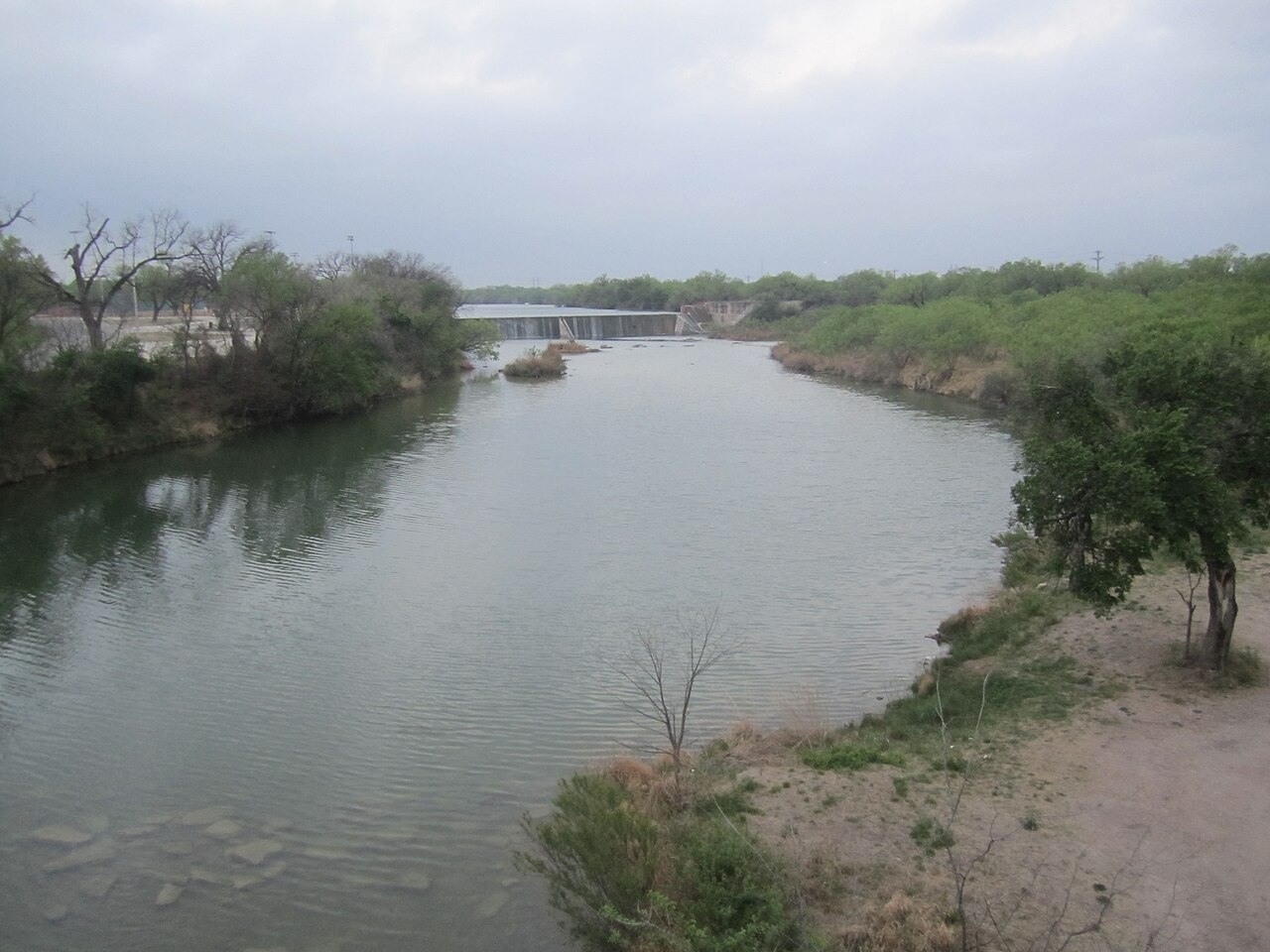
Billy Hathorn · Image source · CC BY 3.0 · Geographic context; not authentic crime evidence. The building or landscape is public geographic context; no event is assigned to it.

An account his family challenged
Michael was stationed at Dyess Air Force Base in Abilene. On January 16 his wife, Wendi Mae Davidson, reported him missing since the previous day. She suggested to security personnel that he might have deserted, possibly leaving for Canada ahead of deployment. Members of Michael’s family told investigators that leaving the service that way would be unlike him. Neither account established his whereabouts. Each supplied a reason for Air Force investigators to pursue a possibility that mattered to his family and the service. [1]
The San Angelo police inquiry ran in parallel. An officer was assigned to examine the missing-person report and a report of money missing from Davidson’s veterinary clinic. The fact that the agencies shared information did not make their purposes identical. The Air Force had an institutional interest in locating one of its personnel. Local police were responsible for investigating events in their community. Whether the Air Force was acting on its own authority would become central when Davidson challenged evidence gathered during the search. [1]
Investigators met on January 24 to coordinate the effort. They learned that Terrell Sheen, who owned the clinic building, knew the family. The agents had information that Davidson kept a horse at a ranch and began looking into property Sheen owned. At that stage they were trying to determine where Michael might have been able to go. A ground search around the clinic on January 28 covered places he might have reached on foot. No one involved yet had the result that would eventually end the missing-person inquiry. [1]
Two days of vehicle movement
The Air Force’s Office of Special Investigations obtained written approval from a regional commander to install a mobile tracking device. Agents put it on Davidson’s car outside the clinic early on February 26. The court record notes that the car carried a sticker permitting access to the base. Approval came through the Air Force’s process. It was not a warrant issued by a civilian judge. The two kinds of authorization should be kept distinct because Davidson would argue that investigators needed a state court order. [1]
The tracking period covered February 26 and 27. The records showed the vehicle going to a remote location identified as Sheen’s ranch. The result narrowed a property inquiry that had begun before the device was installed. It gave investigators a place to ask about, not a video of Davidson arriving or a record of what she did after she got there. The appellate opinion does not distinguish among technologies in a way that warrants representing the evidence as a particular GPS model or a complete route trace. [1]
There is a difference between knowing that a vehicle reached an area and knowing the investigative significance of that area. Someone with legitimate access could drive there to check on a horse. The owner could help establish who had permission to use the property and what places a search could cover. The trip alone did not prove anyone had been transported there. It changed the search from one across possible properties to one where investigators could ask a specific owner about access. [1]
The first ranch visit
Agents contacted Sheen on March 1. He told them that Davidson kept a horse at the ranch and that both she and Michael had access. He consented to a search. On March 3 he showed agents the property, including buildings and ponds. They were still looking for a missing man. Their passage through buildings and around the property did not at that point lead to a recovery. A tour of a property with water on it is different from an underwater search aimed at one pond. [1]
The ranch was gated and locked. That fact became important in the later argument about privacy. The gate could prevent the public from driving in. It did not determine by itself what rights Davidson had in the property or whether officers could search with the owner’s consent. The evidence available to the appellate court described her permission to go there, rather than an ownership interest or demonstrated power to exclude others. The court treated the outdoor parts of the ranch under the open-fields doctrine as applied in that case. [1]
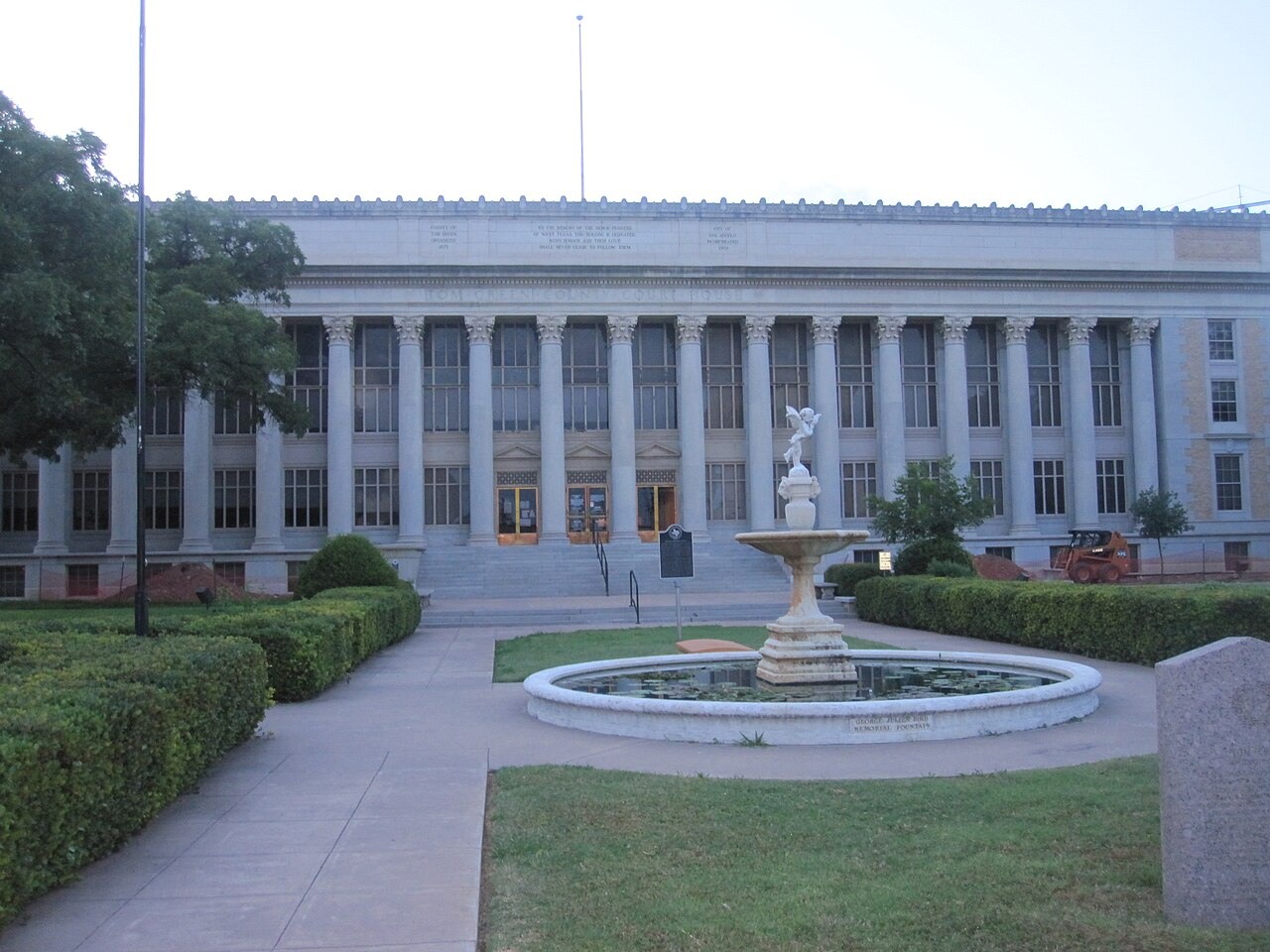
Billy Hathorn · Image source · CC BY-SA 3.0 · Geographic context; not authentic crime evidence. The building or landscape is public geographic context; no event is assigned to it.

A meeting changes where officers look
On March 5 a Texas Ranger and a San Angelo police sergeant interviewed Davidson at the clinic. They asked about the ranch and its ponds. The opinion also describes questions about computer searches concerning polygraphs and what happens to a body in water. The judges noted that the source and extent of the information about the searches were unclear. Those references in an interview cannot responsibly be converted into a dated search log reliably attributed to Davidson. [1]
After the interview Davidson went to the ranch. An officer denied her entry while police secured the property. The same day her brother called police and said Michael might be found in a pond. He asked for a meeting. Davidson and family members attended. Officers testified that they heard her tell her parents that she had moved the body because she believed one of them had killed Michael. Her statement, as the officers recounted it, denied killing him. The suspicion she voiced about family members does not establish that any of them had a role. [1]
Authorities searched the pond with Sheen’s consent and recovered Michael’s body. This was the decisive physical finding that ended the Air Force’s missing-person investigation. It established where he was found. It also gave the statements made at the family meeting an immediate test. The tracker, the owner’s permission, the tip about the pond and the recovery are distinct steps. Even taken together, they do not describe the act of killing. [1]
The evidence challenged before the plea
Michael’s recovery also made a medical examination possible. ABC later reported that toxicology found animal tranquilizers and that investigators identified Davidson’s clinic as a potential source of access. The chemical findings gave investigators evidence about his death that the tracker could not provide. Access to a drug and its detection in a body are separate facts. There was no trial at which jurors returned a verdict on the state’s account of administration. [1] [3]
Davidson was indicted for murder and two counts of tampering with physical evidence. Before resolving the charges, she asked the trial court to suppress evidence obtained as a result of the installation and monitoring of the tracker. The hearing brought together testimony, warrants obtained at later stages and the Air Force authorization. The trial court denied the motion. The existence of later warrants for searches and an arrest did not mean the earlier installation had been authorized by the same process. [1]
In 2006 she pleaded no contest. The court imposed a twenty-five-year sentence for murder and concurrent ten-year terms on the tampering counts. The plea and resulting judgments establish the legal outcome. A no-contest plea is a way to resolve charges and accept judgment without a trial on guilt. It should not be described as a confession that gave investigators a full narrative of the homicide. The statement officers described and the plea were made at different times and answered different questions. [1] [2]
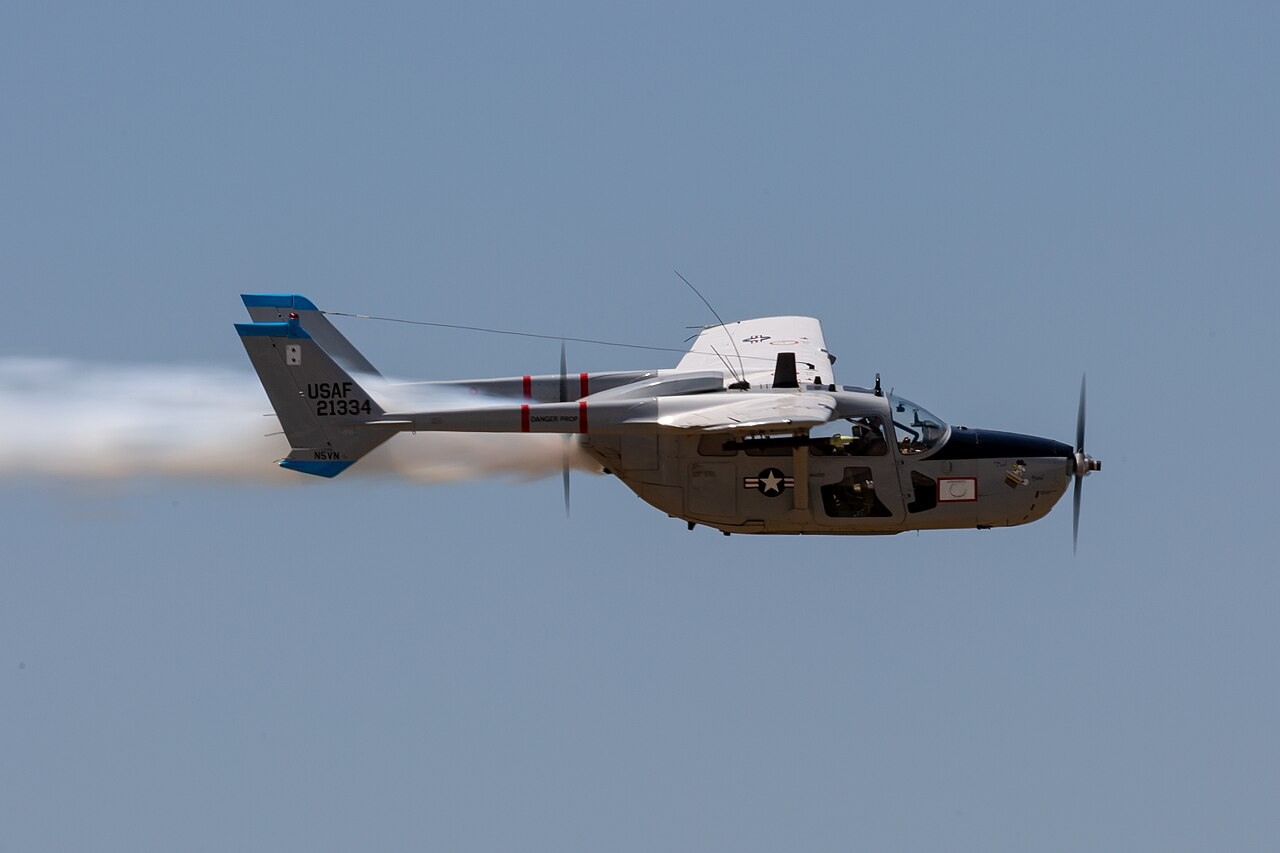
Balon Greyjoy · Image source · CC0 · Geographic context; not authentic crime evidence. The building or landscape is public geographic context; no event is assigned to it.

How the court viewed the tracker
The Texas Third Court of Appeals affirmed in 2008. It examined Davidson’s contention that the Air Force acted as a substitute for civilian police to evade restrictions on the use of a tracking device. On the record before it, the court found that the Air Force had its own investigative purpose and had followed the relevant military procedures. It also considered the scope of the Texas statute invoked by the defense and Davidson’s privacy claim concerning the ranch. The judges held that the circumstances shown at the suppression hearing did not require exclusion. [1]
This was a ruling about the 2005 investigation and arguments presented in that appeal. It should not be read as a blanket rule allowing investigators to attach a tracker to any vehicle. The court’s analysis of the agents’ independent purpose, the authorization they obtained and Davidson’s access to the ranch depended on the record in this case. It upheld the judgments after a suppression challenge. It did not replace the plea with an appellate finding about how Michael died. [1]
In a later interview Davidson continued to deny killing him. That statement belongs to the later history alongside the court outcome and the officers’ description of the family meeting. The reader can follow the documented chain from the initial report to a device record, a ranch search and a recovery without converting either a public denial or a legal disposition into an eyewitness account. Michael’s family had challenged the desertion suggestion at the start. The recovery ultimately answered their question about whether he had simply left his post. [1] [3]
Look closer · 9 visuals
Inside the evidence.
Open a visual to explore what it contributed to the case—and the limits of what it shows. Photographs, historical reproductions and original illustrations are individually labeled. Open the notes for each image’s source, credit, and limitations; setting photographs do not depict crime scenes.
A missing airman and two inquiries
Original editorial illustration — not an actual evidence photograph or exhibit.
Read the evidence notes
The two agencies had separate reasons to investigate.
Sharing information did not erase the distinct military purpose found by the court.
Two days of tracking
Original editorial illustration — not an actual evidence photograph or exhibit.
Read the evidence notes
The device narrowed the location inquiry.
It supplied vehicle movements, without identifying a crime or reconstructing an entire route.
Consent and the ranch visit
Original editorial illustration — not an actual evidence photograph or exhibit.
Read the evidence notes
Sheen permitted investigators to search.
The initial ranch tour did not locate Michael.
The recovery sequence
Original editorial illustration — not an actual evidence photograph or exhibit.
Read the evidence notes
The physical recovery confirmed where Michael was found.
It did not show who killed him.
What the statement addressed
Original editorial illustration — not an actual evidence photograph or exhibit.
Read the evidence notes
Officers described an admission to moving Michael’s body.
It is not an admission to the murder.
What the appeal reviewed
Original editorial illustration — not an actual evidence photograph or exhibit.
Read the evidence notes
The appeal reviewed a suppression ruling on this record.
The 2008 decision does not establish a general rule for modern tracking.
Concho River in San Angelo
Context photograph — not an actual crime exhibit. The building or landscape is public geographic context; no event is assigned to it.
Read the evidence notes
Concho River in San Angelo. Geographic context photograph; not a crime-scene photograph or an original evidence exhibit. The building or landscape is public geographic context; no event is assigned to it. This river is separate from the ranch pond.
Geographic context; not authentic crime evidence. The building or landscape is public geographic context; no event is assigned to it. The source and reuse terms are linked below.
Billy Hathorn · Image source · CC BY 3.0
Tom Green County Courthouse in San Angelo
Context photograph — not an actual crime exhibit. The building or landscape is public geographic context; no event is assigned to it.
Read the evidence notes
Tom Green County Courthouse in San Angelo. Geographic context photograph; not a crime-scene photograph or an original evidence exhibit. The building or landscape is public geographic context; no event is assigned to it.
Geographic context; not authentic crime evidence. The building or landscape is public geographic context; no event is assigned to it. The source and reuse terms are linked below.
Billy Hathorn · Image source · CC BY-SA 3.0
An aircraft displayed at the 2018 Dyess Air Force Base air show
Context photograph — not an actual crime exhibit. The building or landscape is public geographic context; no event is assigned to it.
Read the evidence notes
An aircraft displayed at the 2018 Dyess Air Force Base air show. Geographic context photograph; not a crime-scene photograph or an original evidence exhibit. The building or landscape is public geographic context; no event is assigned to it.
Geographic context; not authentic crime evidence. The building or landscape is public geographic context; no event is assigned to it. The source and reuse terms are linked below.
Balon Greyjoy · Image source · CC0
★ Key evidence used in a conviction · ✓ Exclusion or reversal · ◇ Disputed evidence · ⊘ Excluded at retrial · ◆ Identity / investigative finding, not a conviction. A symbol does not mean one item proved the whole case.
Follow the locations
Put the story on the map.
Follow the dated entries, then select an event to find its regional setting. Shared-location pins open a group of events. Evidence symbols identify important findings and their limitations.
Open the map in its own window ↗Sources & further reading
- Davidson v. State · Texas Third Court of AppealsAir Force inquiry, tracking, search, suppression hearing, plea and affirmance.
- dvm360 · Davidson plea and sentenceContemporary reporting on the no-contest resolution.
- ABC News · Davidson interview and case historyLater denial and reporting on toxicology.
Editorial review: 2026-11-09 · 1546 words