Carol Kennedy was speaking with her mother when the call abruptly ended. Deputies arriving at her Prescott home initially saw what looked like a fall: a ladder and a bookcase had tipped over. Closer examination suggested the scene had been arranged. The injuries did not fit a household accident. [1][2]
Case brief
Prescott, Arizona · 2008
- Recorded outcome
- Steven DeMocker convicted of murder and related crimes; natural life plus ten years; convictions and sentences affirmed October 11, 2016.
Key moments
People in this case
- Carol Kennedy
Murder victim and artist
Photo at source · CBS News · family photographs and artwork
Her former husband, Steven DeMocker, said he had been out mountain biking. The eventual case assembled footprints, a missing golf club, phone records, computer searches and money from a life-insurance policy. Then an apparently independent account blaming other people for the killing became evidence against him. According to the court, DeMocker had dictated that story to his daughter from jail and asked her to send it anonymously. [1]
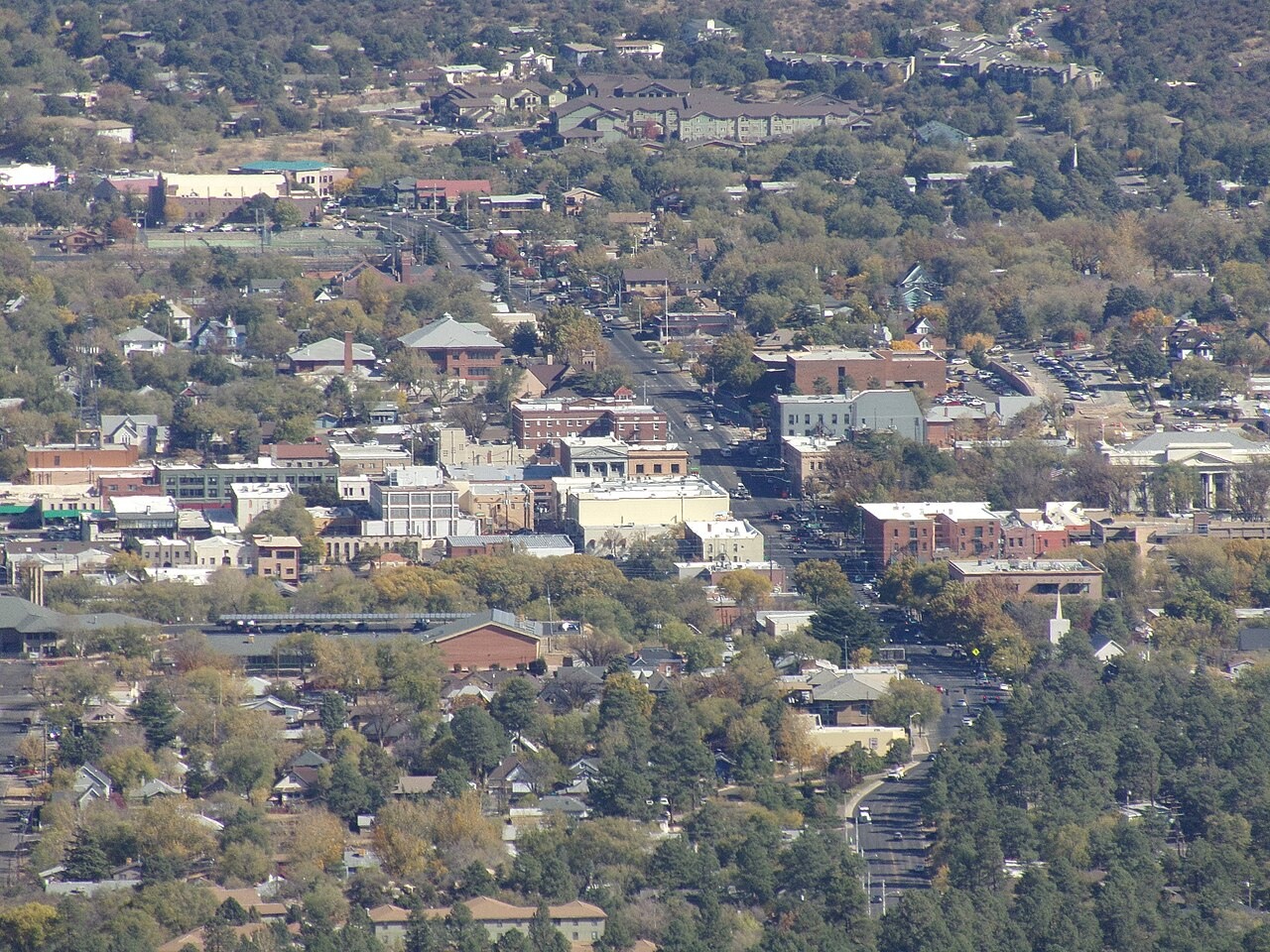
LunchboxLarry · Image source · CC BY 2.0 · Geographic or historical context; not authentic crime evidence.

A divorce with continuing obligations
Kennedy and DeMocker had married in 1982 and had two daughters. They separated in 2002 or 2003, and their divorce became final on May 28, 2008. The continuing financial arrangement included six thousand dollars a month in spousal maintenance. The appellate court’s account places the marriage and its aftermath at the center of the prosecution’s motive evidence. [1]
DeMocker’s spending exceeded his income. The court described monthly expenses of approximately thirty thousand dollars against average net monthly income below thirteen thousand. He had borrowed from his parents, drawn on retirement funds, used credit cards and obtained credit against his homes. These figures explained the financial pressure the prosecution alleged. Debt alone did not prove murder. [1]
In messages before the killing, he expressed frustration about the divorce settlement and years of future payments. The prosecution also introduced evidence of simultaneous extramarital relationships. The court later held that this was relevant to the financial circumstances and motive, rather than admissible merely to label him a bad person. [1]
The story’s victim was not simply the recipient of a payment. Kennedy was a mother whose divorce had separated the couple’s lives but left obligations and disputes between them. On the evening of her death, she discussed a missed maintenance payment with her own mother and said she intended to contact her lawyer the following day. That plan was interrupted by the killing.
The telephone line goes silent
At 7:36 p.m. on July 2, 2008, Kennedy called her mother from home. After a few moments, she reacted as if surprised and dismayed, and the line went dead. Her mother tried to call back and then contacted the Yavapai County Sheriff’s Office. This placed a narrow, independently documented interval around the interruption. It did not record a voice identifying an attacker. [1]
A deputy saw Kennedy lying on the floor through a window. Once officers entered, the fallen ladder and bookcase suggested an accidental fall. There were no signs of forced entry. The initial appearance changed as deputies examined the bloodstains: they indicated that her body had been moved after bleeding began, while the ladder lacked blood. [1]
The chief medical examiner concluded that multiple blunt-force head injuries caused her death. Their shape was consistent with a round object resembling a golf-club head. The medical testimony supported a category of weapon. It did not amount to a forensic match between a recovered club and the injuries. [1]
The apparent fall therefore became part of the prosecution’s account of staging. It was an inference from the scene and medical findings, not a witnessed act of arranging the room. Preserving that distinction makes the reconstruction more credible: the observations can be evaluated without pretending that investigators saw the killer move the ladder.
A ride without a working phone
Earlier that evening, between five and five-thirty, DeMocker told his daughter he was going mountain biking. He later said he reached a trailhead at six or six-thirty and intended to ride for two to two and a half hours. The purported route would have kept him out beyond sunset, according to the appellate account. [1]
His daughter tried to reach him at 9:40 and received no answer. That was unusual to her because he normally carried his phone. Records showed it was powered off between 5:36 and 10:05 p.m., covering the period of the killing. A powered-off phone does not locate its owner; the prosecution used the absence of ordinary connectivity as one part of the circumstantial case. [1]
When his daughter and her boyfriend returned from a grocery trip, he was showering and his clothing was in the washing machine. He attributed his lateness to a flat bicycle tire. His daughter described him as tense, with fresh cuts and scratches. Each detail could be considered with the ride account, but none was an independent eyewitness identification at Kennedy’s home. [1]
The case did not establish a continuously observed cycling route. The prosecution argued that the claimed ride gave him time and a way to approach the residence. The defense disputed a circumstantial reconstruction. Geographic markers should therefore locate the case region and documented legal places, rather than draw a route that no witness followed from start to finish.
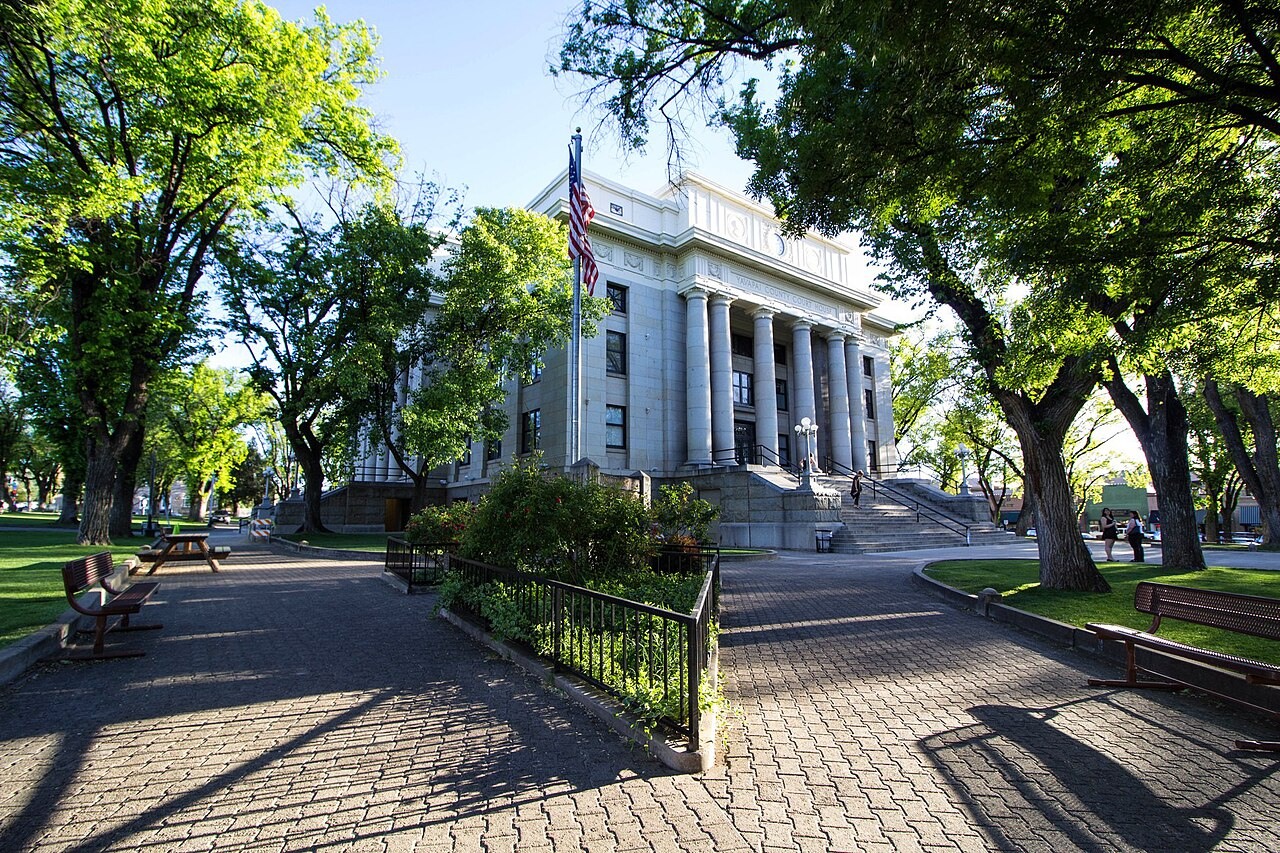
Breewolf Photography · Image source · CC BY-SA 4.0 · Geographic or historical context; not authentic crime evidence.

Footprints and an empty club cover
Investigators found freshly made footprints near Kennedy’s house. They did not match her shoes and were consistent with the tread of a model DeMocker wore. The opinion notes that approximately 8,900 pairs of that model had been sold nationwide. The evidence narrowed a class of footwear; it did not uniquely identify the person who left every impression. [1]
Photographs from a search of his home showed an empty cover for a Callaway driver. On a subsequent search, the cover itself was missing. Sales records showed that he had bought a specially ordered driver and matching cover in 2003, but the club could not be found. The missing club drew attention because of the medical examiner’s description of the injuries. [1]
DeMocker later told his family he had found the cover in his girlfriend’s car and suggested it might have blown there. He gave it to his lawyer, who supplied it to investigators after they obtained a warrant to search the lawyer’s office. The court’s description connects possession, disappearance and a changing explanation. It does not say police recovered a definitively identified murder weapon. [1]
Other evidence concerned preparations before and after the death. Investigators recovered portions of computer searches about staged killings and insurance payments despite a privacy setting intended to erase browsing histories. Afterward, he acquired a motorcycle, ordered books about disappearing and changing identity, and accumulated equipment, navigation information and cash. The state argued these acts showed preparation and plans to flee. [1]
The alternative story that was manufactured
After his arrest, DeMocker asked his younger daughter to bring writing materials to a jail visit. He dictated a detailed story alleging that other people had been sent to kill Kennedy and a man living in her guesthouse over a prescription-drug deal. He instructed her to email it anonymously to his attorney and the prosecutor. [1]
The account appeared valuable because it described details supposedly known only to someone familiar with the crime. His attorney initially obtained its admission as exculpatory material. Yet the source of the story was the defendant himself, according to the later court findings. When investigators questioned him, DeMocker denied knowledge of the email and said he had heard a similar account through an air vent. [1]
This created a second evidentiary trail. The email was not merely an unsuccessful argument by defense counsel. Its fabrication and the daughter’s participation led to additional charges. The prosecution argued that the knowledge demonstrated by the invented story was relevant to the murder as well as to the alleged fraud. [1]
The accusations against the guesthouse resident and unnamed supposed attackers remain accusations inside a fabricated account. They should not be repeated as an independent drug conspiracy. The significant event was the manufacture and attempted use of the story, not proof of the crimes it purported to expose.
Money, lawyers and a mistrial
During the first trial in July 2010, prosecutors learned that Kennedy’s life-insurance proceeds had been used to pay DeMocker’s defense lawyers. The insurer had distributed the funds to a trust on conditions that included his disclaiming an interest. The trust was intended to benefit the daughters. The money reached the attorneys through a series of transfers. [1]
The resulting disputes involved counsel, the trust and the anonymous email. DeMocker’s lawyers eventually withdrew after review by the Arizona Supreme Court. Newly appointed counsel could not prepare in time for the existing jury proceeding, and a mistrial followed. A new, consolidated indictment included the murder, burglary and related fraud allegations. [1]
There were also serious procedural challenges. State personnel had viewed or printed sealed defense funding documents made available through administrative error. The trial court held a hearing and found no demonstrated prejudice warranting dismissal or disqualification. On appeal, DeMocker challenged this and other rulings. The existence of misconduct allegations must be distinguished from a finding that they justified reversing the verdict. [1]
The second trial did not end in convictions on every charge. The court acquitted him on an email-forgery count, and certain other fraud or forgery charges were dismissed with prejudice. The jury convicted him of the remaining offenses, including murder, burglary, fraudulent schemes, conspiracy, evidence tampering and contributing to a minor’s delinquency. These distinctions prevent a broad statement that every allegation was proved. [1]
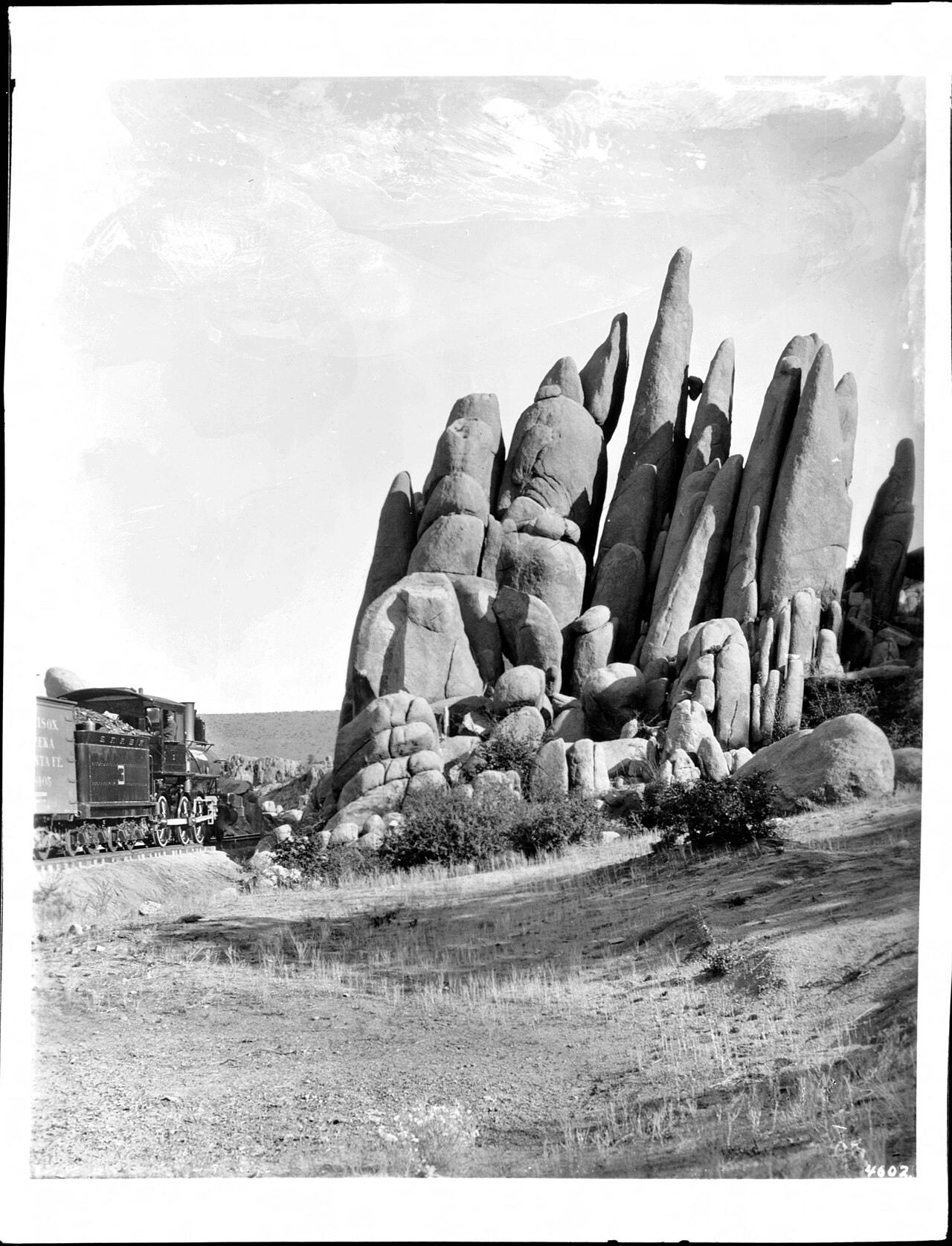
George Wharton James , 1858—1923 · Image source · Public domain · Geographic or historical context; not authentic crime evidence. Historic photograph of the region, not a scene from the 2008 crime.


The court’s final answer in the reviewed appeal
DeMocker received natural life for murder, an additional ten years in total for the other convictions and an order to repay seven hundred thousand dollars to Kennedy’s trust. On October 11, 2016, the Arizona Court of Appeals affirmed his convictions and sentences. The opinion is an unpublished, case-specific memorandum decision. [1]
The court held that the evidence of fabrication, the insurance transfers and the homicide could properly be considered together. It also upheld the challenged use of other-act evidence and rejected the asserted grounds for a new trial. That outcome describes the reviewed appeal, without implying that the published narrative independently certifies every later collateral filing.
Kennedy’s case combined physical observations with records and conduct: the interrupted call, a staged-looking room, shoe impressions, the absent club, searches, money and a fabricated lead. No single object tells the entire story. The anonymous email supplies the most striking reversal because material offered to help the defense became part of the case against its author. The person at the center remained Carol Kennedy, whose life ended while she was talking to her mother.
Look closer · 9 visuals
Inside the evidence.
Open a visual to explore what it contributed to the case—and the limits of what it shows. Photographs, historical reproductions and original illustrations are individually labeled. Open the notes for each image’s source, credit, and limitations; setting photographs do not depict crime scenes.
A fall account meets the scene
Original editorial illustration — not an actual evidence photograph or exhibit.
Read the evidence notes
Scene evidence supported rejection of an accidental fall.
No authentic room photograph or invented crime reconstruction.
Consistent shoes are not unique shoes
Original editorial illustration — not an actual evidence photograph or exhibit.
Read the evidence notes
The shoe evidence mattered in combination with other circumstances.
A class comparison, not unique identification.
The club was never recovered
Original editorial illustration — not an actual evidence photograph or exhibit.
Read the evidence notes
Investigators linked the missing club to an injury theory.
No physical weapon match or recovered club is claimed.
An alternative story made in jail
Original editorial illustration — not an actual evidence photograph or exhibit.
Read the evidence notes
The court describes the manufactured account as part of the related crimes.
The drug allegations are not repeated as true.
Insurance money and a mistrial
Original editorial illustration — not an actual evidence photograph or exhibit.
Read the evidence notes
The trust dispute changed the legal proceedings and supplied related charges.
A mistrial did not decide the murder charge.
The final reviewed appeal
Original editorial illustration — not an actual evidence photograph or exhibit.
Read the evidence notes
The court affirmed convictions and sentences after examining the raised issues.
An unpublished memorandum governs this case; current docket requires separate review.
Downtown Prescott, Arizona
Context photograph — not an actual crime exhibit.
Read the evidence notes
Downtown Prescott, Arizona. Geographic context photograph; not a crime-scene photograph or an original evidence exhibit.
Geographic or historical context; not authentic crime evidence. The source and reuse terms are linked below.
LunchboxLarry · Image source · CC BY 2.0
Yavapai County Courthouse in Prescott
Context photograph — not an actual crime exhibit.
Read the evidence notes
Yavapai County Courthouse in Prescott. Geographic context photograph; not a crime-scene photograph or an original evidence exhibit.
Geographic or historical context; not authentic crime evidence. The source and reuse terms are linked below.
Breewolf Photography · Image source · CC BY-SA 4.0
An early photograph of the Granite Dells near Prescott
Context photograph — not an actual crime exhibit. Historic photograph of the region, not a scene from the 2008 crime.
Read the evidence notes
An early photograph of the Granite Dells near Prescott. Geographic context photograph; not a crime-scene photograph or an original evidence exhibit. Historic photograph of the region, not a scene from the 2008 crime.
Geographic or historical context; not authentic crime evidence. Historic photograph of the region, not a scene from the 2008 crime. The source and reuse terms are linked below.
George Wharton James , 1858—1923 · Image source · Public domain
★ Key evidence used in a conviction · ✓ Exclusion or reversal · ◇ Disputed evidence · ⊘ Excluded at retrial · ◆ Identity / investigative finding, not a conviction. A symbol does not mean one item proved the whole case.
Follow the locations
Put the story on the map.
Follow the dated entries, then select an event to find its regional setting. Shared-location pins open a group of events. Evidence symbols identify important findings and their limitations.
Open the map in its own window ↗Sources & further reading
- State v. DeMocker — Arizona Court of Appeals memorandum decisionCourt account of marital finances, interrupted call, scene, bike alibi, shoes, missing club, false email, mistrial, trust money and affirmance.
- 48 Hours: End of the Trail — CBSVictim identified as Carol Kennedy only; fewer than 25 derived words. Remaining narrative grounded in the judicial record.
Editorial review: 2026-10-06 · 1725 words