Rudy Kurniawan’s product was supposed to carry the taste of another time. Collectors bought bottles represented as rare vintages from celebrated estates, paying for the promise that the liquid, label, and history belonged together. At his home in Arcadia, California, Kurniawan was manufacturing that promise. Cheaper wines went into old bottles, and counterfeit labels supplied identities the contents did not possess. [1]
Case brief
Arcadia, California · 2004–2012
- Recorded outcome
- Convicted of wine fraud and bank fraud in December 2013; sentenced August 7, 2014 to ten years, forfeiture and restitution; removal to Indonesia reported by ICE in April 2021.
Key moments
People in this case

Rudy Kurniawan Convicted in the counterfeit-wine case.
Agency photograph · U.S. Immigration and Customs Enforcement via AP and Voice of America · U.S. public domain
His reputation helped move those bottles into a market where personal relationships mattered. He attended expensive dinners, befriended collectors and auctioneers, and became known as a source of extraordinary wine. When federal agents searched his house in 2012, they found the materials behind a different kind of expertise: a working counterfeiting operation. A jury convicted him in December 2013, and a Manhattan federal judge sentenced him to ten years in prison on August 7, 2014. [1][2]
The story is unusual because the decisive contradiction could sometimes be understood without tasting anything. Some wines offered under a producer’s name came from years when that producer had not made them. A label could look convincing, and the seller could seem convincing, while the claimed history was impossible. The fraud depended on people overlooking that gap. [3]
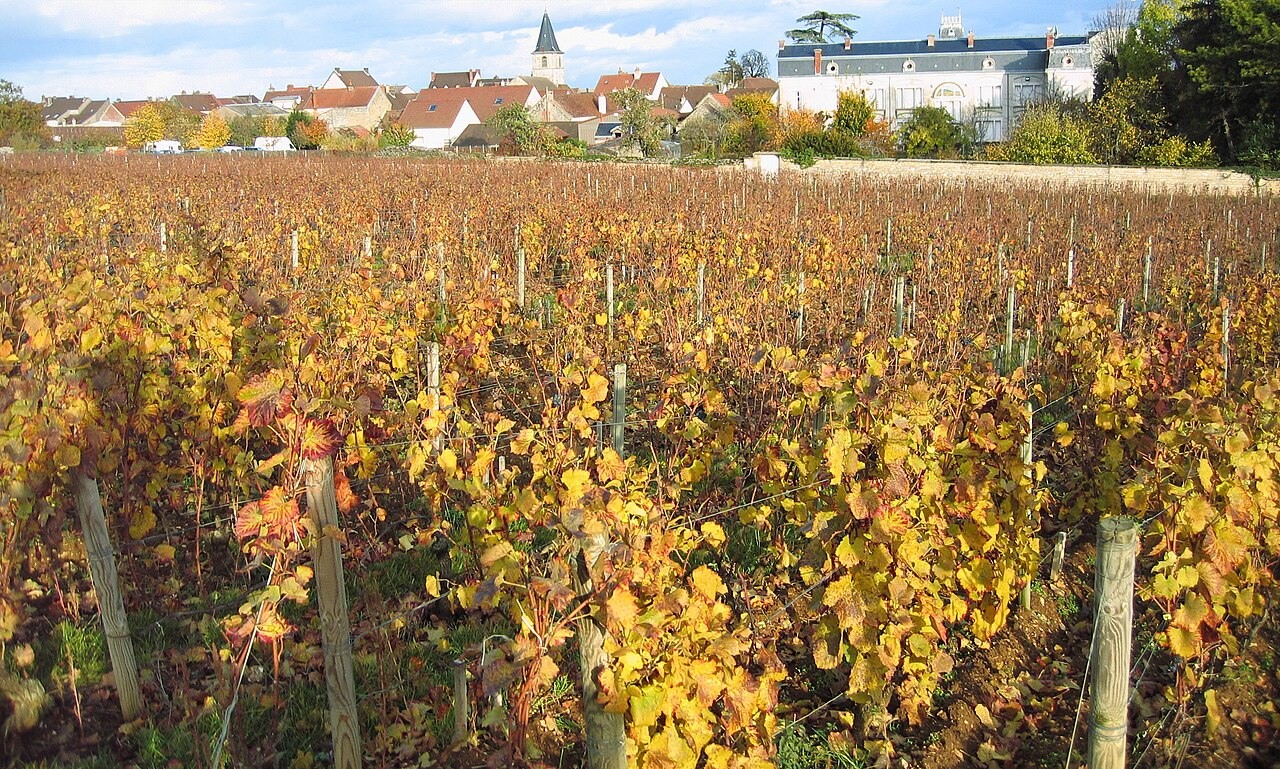
Tomas er · Image source · CC BY-SA 3.0 · Geographic or historical context; not authentic crime evidence. The vineyard is wine-industry context in France, not a photographed source of the counterfeit contents.

Becoming a source people wanted to believe
The FBI’s account describes Kurniawan building relationships in a relatively small world of high-end wine dealers and collectors. He paid for lavish dinners in Los Angeles and New York and circulated among people prepared to spend extraordinary sums on a single bottle. That social access helped him sell wine through both auctions and private transactions. [2]
His apparent supply was part of the attraction. A person who repeatedly produces scarce bottles can acquire the reputation of knowing where the treasures are hidden. For the buyer, that reputation can stand in for a documented chain of ownership. In this case, the government described connections and trust helping move counterfeit goods into transactions where buyers expected authentic vintage wine. [1][2]
The distinction between someone enjoying wine and someone verifying its provenance is important. A pleasant or plausible taste does not establish that a bottle came from a particular estate in a particular year. Nor does an impressive dinner prove what will be delivered in the next transaction. Kurniawan’s operation exploited a market in which the identity of the seller and the excitement of access could overshadow the identity of the object being sold. [1][2]
The government’s sentencing release places the systematic counterfeiting scheme from 2004 through 2012. The FBI estimated approximately $30 million in counterfeit wine sales. That estimate should not be expanded into a claim that every bottle he ever sold was fake or that every auction associated with him was fraudulent in its entirety. The sources establish extensive fraud, not a verified inventory of every transaction throughout his life. [1][2]
The auction that reached back too far
The criminal complaint describes a planned New York auction on April 25, 2008, containing twenty-two lots of purported Domaine Ponsot wine. Those lots included ninety-seven bottles and twelve magnums. The producer’s administrator learned about the offerings and examined the catalogue. The problem was not merely that an old label had unusual wear. Some of the wines purported to exist before the estate produced them. [3]
According to the sworn complaint, Domaine Ponsot began producing its Clos Saint-Denis wine in 1982. The auction listings included purported vintages from decades earlier, including 1945, 1949, 1959, and other years before production began. Another offering represented Clos de la Roche from 1929, although the estate had not begun bottling its own wine until 1934. The complaint records the administrator identifying at least eighty-four counterfeit bottles within the proposed Ponsot offerings. [3]
The producer’s knowledge turned the catalogue itself into an investigative clue. A collector might be impressed by a decades-old vintage. The maker could compare the claimed year with the estate’s actual production history. The contradiction could not be repaired by saying that the wine tasted old or that a seller had supplied authentic bottles in other transactions. A wine cannot originate from a production that had not happened. [3]
The disputed lots were withdrawn. The complaint describes questions about where Kurniawan had obtained the bottles and investigators checking information provided about their supposed source. This account comes from the government’s sworn charging document. It is presented as the investigation described there, rather than as a claim that every individual detail later became a separate jury finding. The eventual convictions established the broader wine-fraud and bank-fraud schemes. [1][3]
Inside the Arcadia house
When agents executed a search warrant in 2012, the setting was Kurniawan’s California residence. The FBI described old bottles soaking in a sink, freshly waxed bottles, large quantities of corks, counterfeit labels, and dozens of open bottles near bottling equipment. Materials associated with the operation were spread around the house. The government characterized it as a counterfeit-wine laboratory. [1][2]
The operation involved several different kinds of authenticity. An empty bottle could genuinely be old. A buyer could recognize the shape or appearance of the container. But old glass did not authenticate the replacement wine poured inside it, and a newly fabricated label could assign a history unrelated to either the liquid or the bottle. Genuine components and false identities could be assembled into one deceptive product. [1]
Kurniawan blended lower-priced wines to imitate the taste and character of much more expensive ones, then sealed the bottles and applied counterfeit labels. Those details explain the fraud without providing a recipe for reproducing it. The important point is the separation between what the buyer was promised and what the seller prepared. A product represented as a surviving rare vintage was instead a manufactured substitute. [1]
Agents and cooperating wine producers did more than examine a room full of equipment. The FBI describes interviews, records review, and assistance from French winemakers who questioned Kurniawan’s claims. The house search supplied physical evidence consistent with the counterfeit offerings. The records and producer knowledge helped connect that evidence to sales and representations outside the house. [2]
The existence of old bottles or wine tools alone would not make a collector guilty of fraud. Their importance here came from the counterfeit labels, the false offerings, and the documented scheme. The gallery below therefore presents a chain of representations—claimed identity, prepared substitute, sale—rather than implying that any wine hobbyist’s equipment is evidence of a crime. [1][2]
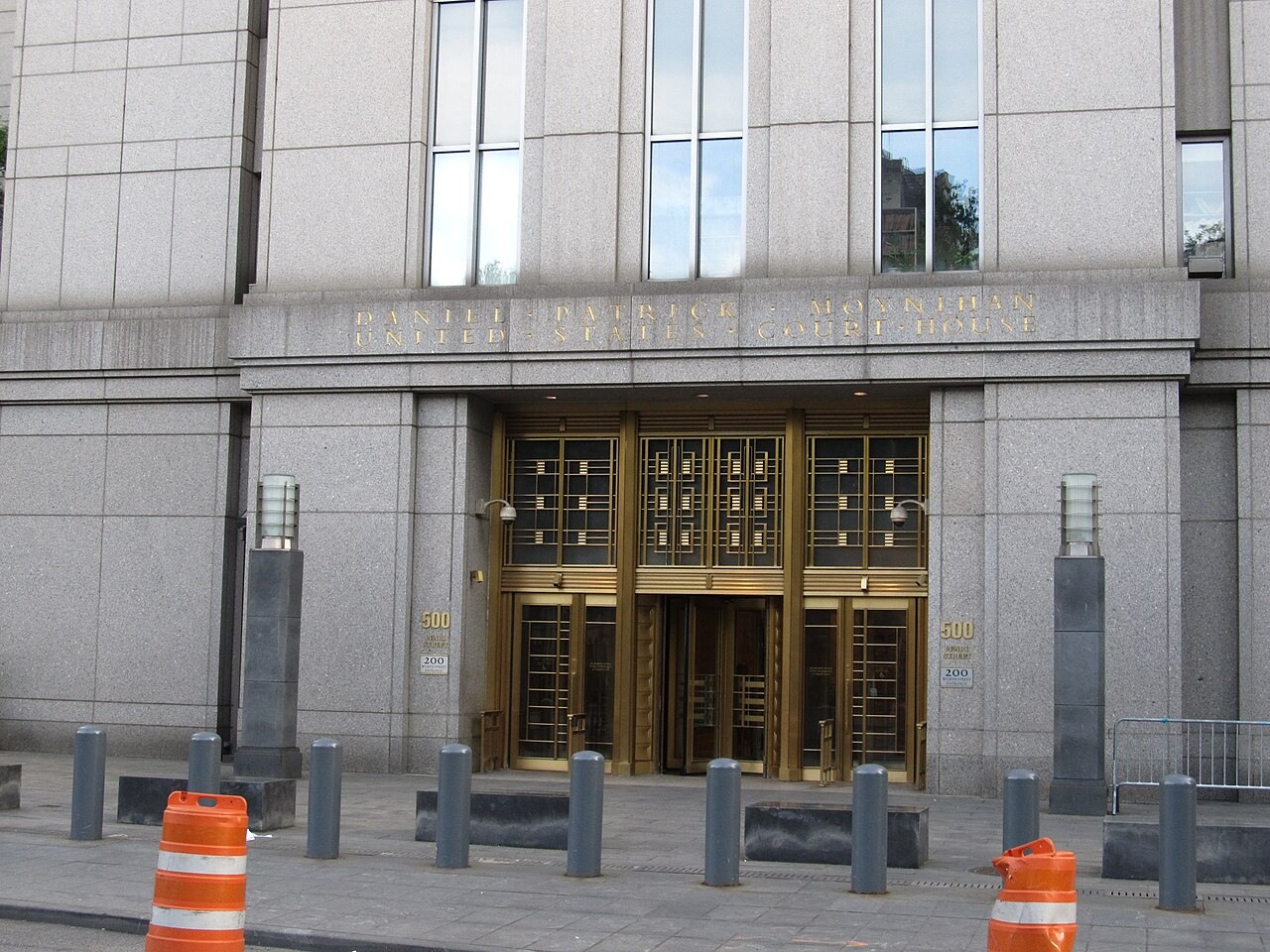
Ken Lund from Reno, Nevada, USA · Image source · CC BY-SA 2.0 · Geographic or historical context; not authentic crime evidence.

A second fraud secured by collectibles
The criminal case also concerned a $3 million loan from a New York financing company specializing in loans secured by valuable collectibles, including art and wine. According to the sentencing release, Kurniawan concealed approximately $7.4 million in existing loans and provided false information about annual expenses and his immigration status. Those representations mattered to a lender deciding whether to advance money. [1]
The loan fraud was distinct from whether a particular auction bottle was counterfeit. One concerned misleading wine purchasers; the other concerned misleading a financing company. Both involved presenting a version of value and financial reliability that concealed material facts. The jury’s verdict included both schemes, rather than a wine conviction to which an unrelated rumor about debt was later attached. [1][2]
The government’s reference to his immigration status belongs in that narrow explanation of a false statement to the lender. His nationality was not proof that the bottles were counterfeit, and the story should not turn an individual fraud into suspicion of other collectors or immigrants. The wine evidence came from the products, the production history, the records, and the operation found in Arcadia. [1][2]
The jury and three different money figures
After a one-week trial, the jury found Kurniawan guilty in December 2013. On August 7, 2014, U.S. District Judge Richard Berman imposed the ten-year prison sentence. The sentencing release also records a $20 million forfeiture order and restitution of $28,405,502.50. Those are court-ordered obligations. They are not a statement that the victims had already received those amounts. [1]
The approximately $30 million sales estimate, $20 million forfeiture, and roughly $28.4 million restitution figure measure different things. Adding them together would create a misleading grand total. Forfeiture concerns surrender of proceeds or property under the criminal judgment. Restitution concerns compensation ordered for victims. An investigative estimate of counterfeit sales serves yet another purpose. The fact that all three are large does not make them interchangeable. [1][2]
The court orders also do not identify how many bottles remained in cellars after the case. The sources reviewed here establish extensive counterfeiting and legal consequences, but they do not supply a complete modern inventory of every surviving fake. Claims that a specific bottle now being sold is one of Kurniawan’s require separate provenance and examination. This article does not issue authenticity judgments about current wines. [1][2]
Daderot · Image source · Public domain · Geographic or historical context; not authentic crime evidence. The public garden is not Kurniawan’s residence.


The documented aftermath
In April 2021, U.S. Immigration and Customs Enforcement reported Kurniawan’s removal to Indonesia after his prison term. Its bulletin describes a commercial flight from Dallas–Fort Worth to Tangerang. That dated official report provides a later milestone without supporting claims about his current address, business activities, or whereabouts years afterward. [4]
The investigation’s enduring lesson is embedded in the 2008 catalogue. A bottle could be expensive, beautifully presented, and supplied by a celebrated dealer, yet still carry a year that contradicted the producer’s history. The Arcadia search showed how the identities were manufactured. The cooperating producers and financial records showed how to test them. Neither social prestige nor convincing glass could replace that work. [1][2][3]
The photographs accompanying this article provide geographic and wine-industry context. They do not depict bottles authenticated as counterfeit evidence in this case. The illustrated gallery explains the vintage contradiction, the contents-versus-container distinction, and the financial findings without reproducing fake labels or pretending to show original exhibits. Its key-evidence markers identify important parts of the proven scheme and the documented investigation, with the charging affidavit clearly distinguished from the trial and sentencing record. [1][2][3]
Look closer · 9 visuals
Inside the evidence.
Open a visual to explore what it contributed to the case—and the limits of what it shows. Photographs, historical reproductions and original illustrations are individually labeled. Open the notes for each image’s source, credit, and limitations; setting photographs do not depict crime scenes.
A vintage earlier than production
Original editorial illustration — not an actual evidence photograph or exhibit.
Read the evidence notes
The complaint records Ponsot offerings from years before production began.
A comparison diagram, not a counterfeit label or authenticated bottle.
Old glass does not authenticate contents
Original editorial illustration — not an actual evidence photograph or exhibit.
Read the evidence notes
Authentic components could conceal a false product identity.
No instructions or mixing recipe; no depicted bottle is actual evidence.
What the house search supplied
Original editorial illustration — not an actual evidence photograph or exhibit.
Read the evidence notes
Agents found materials consistent with the documented counterfeit operation.
Illustrated inventory guide, not a photograph of the searched house.
The lender received a false picture
Original editorial illustration — not an actual evidence photograph or exhibit.
Read the evidence notes
The separate loan scheme included omission of about $7.4 million in debts.
No reproduction of an actual application or private financial records.
Three money figures, three meanings
Original editorial illustration — not an actual evidence photograph or exhibit.
Read the evidence notes
The sums are not additive and do not establish money already paid.
The figure categories remain attached; no current recovery total is certified.
The documented legal aftermath
Original editorial illustration — not an actual evidence photograph or exhibit.
Read the evidence notes
The reviewed official reports supply dated legal milestones.
No current whereabouts or activities are claimed.
Burgundy vineyards in autumn, wine-industry context
Context photograph — not an actual crime exhibit. The vineyard is wine-industry context in France, not a photographed source of the counterfeit contents.
Read the evidence notes
Burgundy vineyards in autumn, wine-industry context. Geographic context photograph; not a crime-scene photograph or an original evidence exhibit. The vineyard is wine-industry context in France, not a photographed source of the counterfeit contents.
Geographic or historical context; not authentic crime evidence. The vineyard is wine-industry context in France, not a photographed source of the counterfeit contents. The source and reuse terms are linked below.
Tomas er · Image source · CC BY-SA 3.0
Daniel Patrick Moynihan United States Courthouse in Manhattan
Context photograph — not an actual crime exhibit.
Read the evidence notes
Daniel Patrick Moynihan United States Courthouse in Manhattan. Geographic context photograph; not a crime-scene photograph or an original evidence exhibit.
Geographic or historical context; not authentic crime evidence. The source and reuse terms are linked below.
Ken Lund from Reno, Nevada, USA · Image source · CC BY-SA 2.0
The public arboretum in Arcadia, California
Context photograph — not an actual crime exhibit. The public garden is not Kurniawan’s residence.
Read the evidence notes
The public arboretum in Arcadia, California. Geographic context photograph; not a crime-scene photograph or an original evidence exhibit. The public garden is not Kurniawan’s residence.
Geographic or historical context; not authentic crime evidence. The public garden is not Kurniawan’s residence. The source and reuse terms are linked below.
Daderot · Image source · Public domain
★ Key evidence used in a conviction · ✓ Exclusion or reversal · ◇ Disputed evidence · ⊘ Excluded at retrial · ◆ Identity / investigative finding, not a conviction. A symbol does not mean one item proved the whole case.
Follow the locations
Put the story on the map.
Follow the dated entries, then select an event to find its regional setting. Shared-location pins open a group of events. Evidence symbols identify important findings and their limitations.
Open the map in its own window ↗Sources & further reading
- Wine dealer sentenced to ten years — Southern District of New YorkTrial and sentencing record described by DOJ: 2004–2012 counterfeit scheme, Arcadia operation, loan fraud, sentence and financial orders.
- Vintage Fraud — Federal Bureau of InvestigationInvestigation, trust relationships, house-search materials, producer cooperation and sales estimate. Sentencing month wording yields to dated DOJ release.
- United States v. Kurniawan — sworn criminal complaintInvestigative allegations concerning the 2008 auction and impossible vintages, source checking, lending and search context. Charging posture retained.
- ICE removes convicted wine counterfeiter — official bulletinDated removal to Indonesia via Dallas–Fort Worth; no present residence or activity certification.
Editorial review: 2026-10-06 · 1635 words